
By: Warren George
Published: December 16, 2025
Last updated: May 1, 2026
Driving in Italy doesn’t need to be as anxiety-inducing as the urban myths and preconceptions would have you believe. Let me share with you what you need to know about driving in Italy after years of personal experience, and a lot of trial and error. I cover everything from parking to to road tolls, ferry crossings to limited traffic zones, essential phrases and much more.
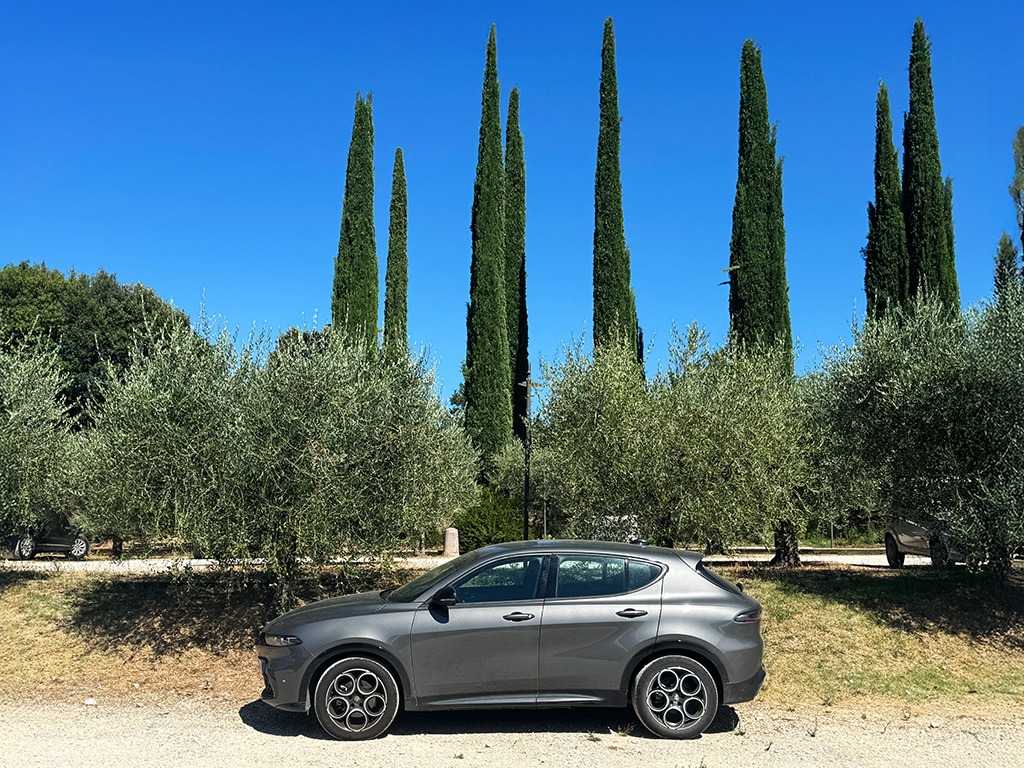
Driving is my favourite way to explore Italy, but doing so confidently means understanding some fundamentals – let me share these with you
Driving in Italy: What You Need to Know
I first drove a car in Italy in 2014, and recall it vividly, but not for any of the reasons that might spring to mind. Earlier that day, on my way to Sicily from the UK (transferring via Rome), our plane got diverted during a huge storm near Catania, where our pilot had attempted to land but the fierce winds had made it impossible to do so safely.
In the end we landed at Comiso airport (approximately 90km from Catania), and after a bus transfer, arrived eventually at Catania airport where we were due to pick up a rental car.
The stress of our emergency diversion had totally distracted me from the worries about driving in Italy for the first time – I recall saying to Sara during our rocky landing in Sicily ‘get me in that car!’.
Since moving to Italy in 2019, I’ve driven my own vehicles and numerous hire cars, in all scenarios and conditions across the entirety of the country. Let me share with you the fundamentals of driving in Italy so you can confidently navigate the roads here like I do. In this guide I’ll cover:
- Introduction to Italian driving
- Need-to-know information about driving in Italy
- Parking in Italy
- Understanding ZTL – Limited Traffic Zones
- Fuel and gas stations in Italy
- Understanding toll roads and toll booths
- Using Italy’s ferry network with your car
- What to do in the event of an emergency
- Italian driving vocabulary and phrases
Introduction to driving in Italy
This guide will not provide any guidance on whether you can or should drive in Italy, or detailed guidance on specific legal matters, including road rules and speed limits, with some key exceptions.
This guide has been written with the assumption that you are a competent driver who has undertaken the necessary research to ensure you can drive in Italy legally. The purpose of this guide is to provide anyone with questions about key areas of driving here with clear and useful answers.
I love driving in Italy as it enables you to explore much more of this incredible country. Some of my favourite travel memories have been during road trips beyond the famous cities and landmarks reached by public transport.
The reputation that Italy has when it comes to driving is, in my opinion, exaggerated. I will not pretend that driving in Italy is an entirely serene or stress-free experience, but it’s not as chaotic or dangerous as most of the stereotypes make out.
Italian roads are often busy, and drivers in this country are assertive. This can often be misread by visitors as aggression, but once you understand that residents and repeat tourists drive confidently, it will make driving here a lot less stressful.
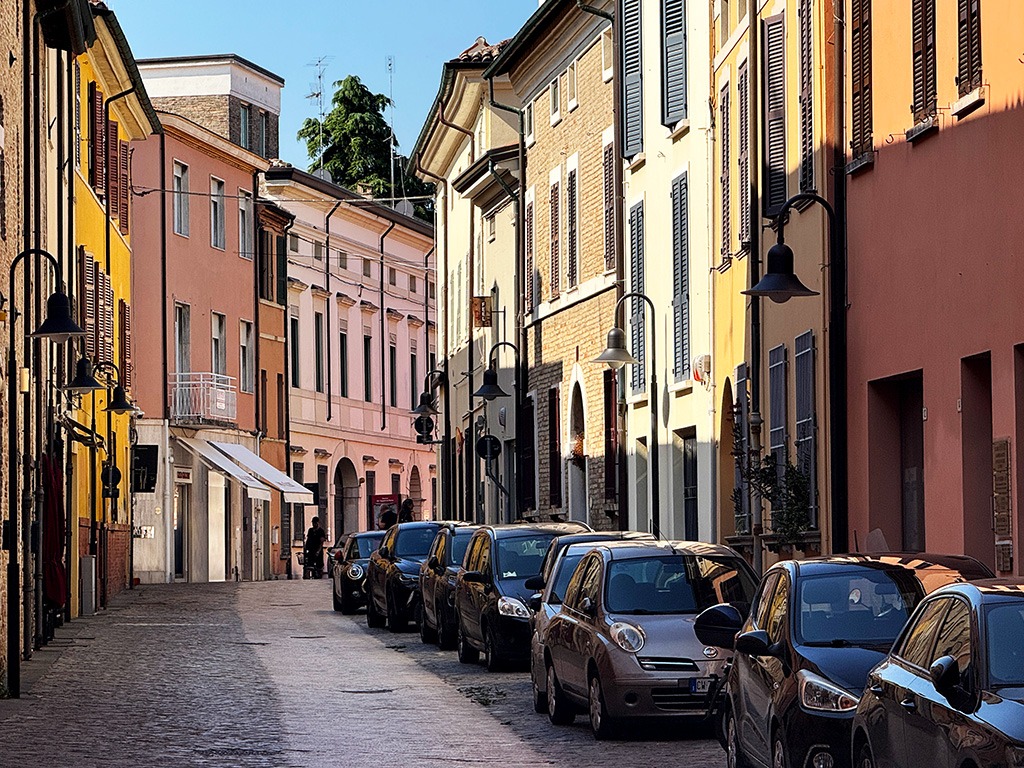
Once you get to grips with the essential details of driving in Italy you’ll find you are able to explore so much of this country
Need-to-know information about driving in Italy
I’d like to share some top-level facts and must-know guidance about driving in Italy before digging into specific topics in more detail:
- If you’re visiting Italy from the UK or western Europe, almost all road signs will be familiar, with recognisable designs and formats. A lot of signage is also displayed in English, or with English alongside Italian. In the northern regions of Italy you’ll also see signage in German, French, Slovenian and Croatian, depending on your exact location.
- Italian speed limits and distances are measured in kilometres, not miles. Therefore, if you use Google Maps or any app for navigation and speed management, be sure to check that it is set to kilometres before setting off.
- It is prohibited to use a mobile phone device while driving in Italy.
- Italy has a complex set of driving laws regarding alcohol consumption. The permitted blood alcohol levels vary depending on the driver’s age, experience and other factors, so it’s strongly recommended that you do not drink anything alcoholic before driving.
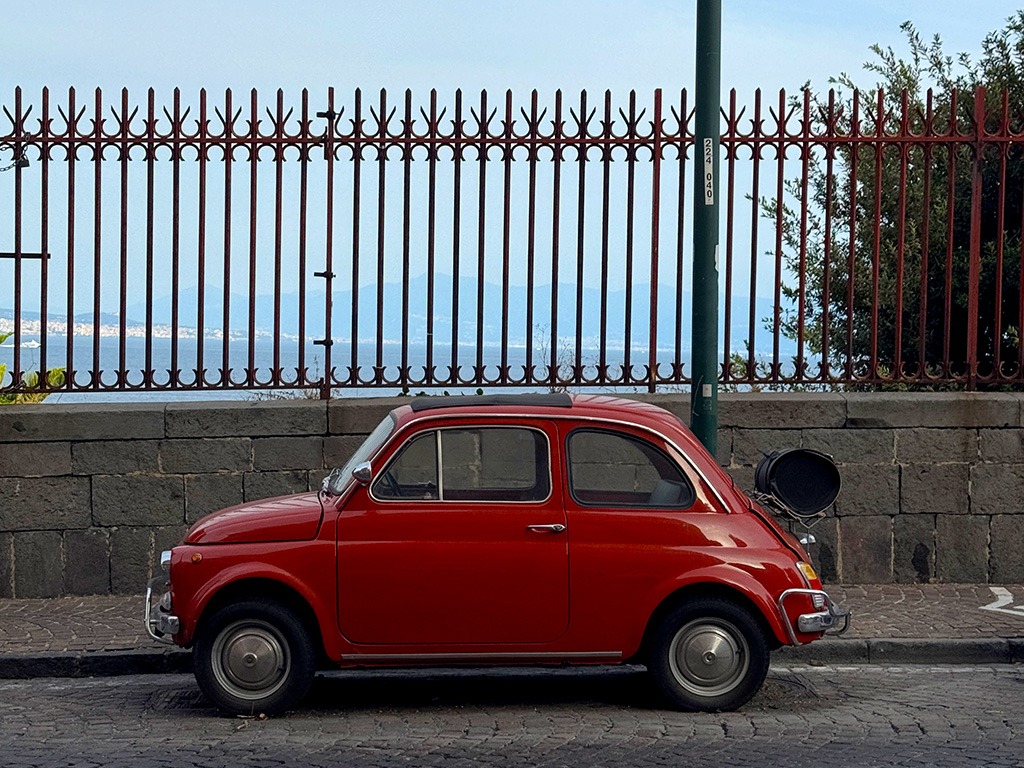
Bookmark this page if you’re looking to travel through Italy using a car as I will be adding more tips over time as rules and guidance change
- It’s not uncommon to see traffic police undertaking random stops and spot checks of vehicles on Italian roads. These are perfectly normal and legal under Italian law and therefore it is imperative you carry your car documents, driving licence and other important information with you at all times.
- Like anywhere else, it’s your obligation to ensure your vehicle is roadworthy in Italy. This is especially applicable to rental cars, ensuring that all safety equipment is present and in working order, such as snow chains (mandatory in large parts of Italy from late autumn to early spring, and almost all year round in the more mountainous areas) and warning triangles.
- These days, most rental agencies offer automatic cars in Italy – if you’d prefer a manual/stick vehicle, be sure to request this when making your booking, or when you pick up your car.
- In the event of an emergency you should call 112 to request assistance. You’ll be given an option to connect to an operator who speaks English if you do not speak Italian. Proceed to explain the situation to the operator – they will then request the right assistance for your circumstances.
Parking in Italy
This is a topic that took me a while to get my head around, and after some trial and error (and some fines), I can now confidently say I understand how parking works in Italy. Let me share this knowledge with you now so you don’t have to learn the hard way (like I did):
On-street parking
White lines: Where spaces have been clearly marked with white lines, this means you are free to park without cost within the boundaries of the designated space.
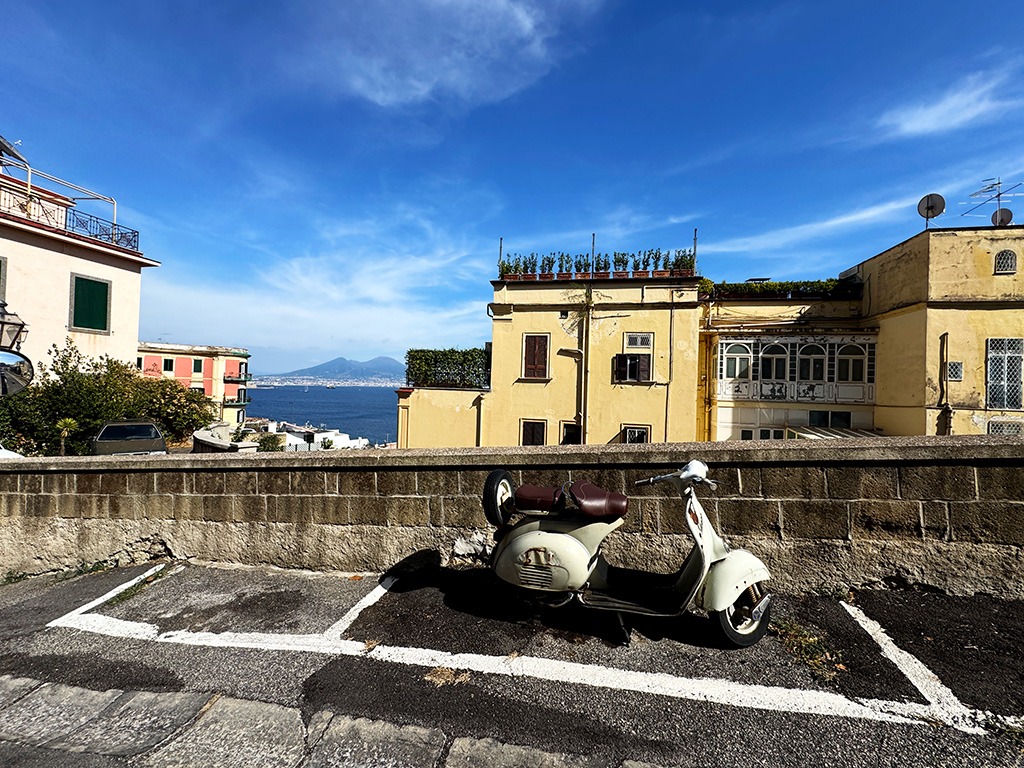
The parking guidelines detailed on this page apply to scooters and motorbikes also, although you’ll find a lot more free parking for these generally in Italy
Blue lines: These are the most common parking markings that you’ll see, and denote that you can park within the lines, but need to pay to do so. Some cities and regions offer apps that allow you to pay for your parking, but as a general rule of thumb, I recommend using the parking meters to purchase a ticket to display in your car. Note that not all parking meters accept card payment, so it’s advisable to always carry coins with you when driving in Italy.
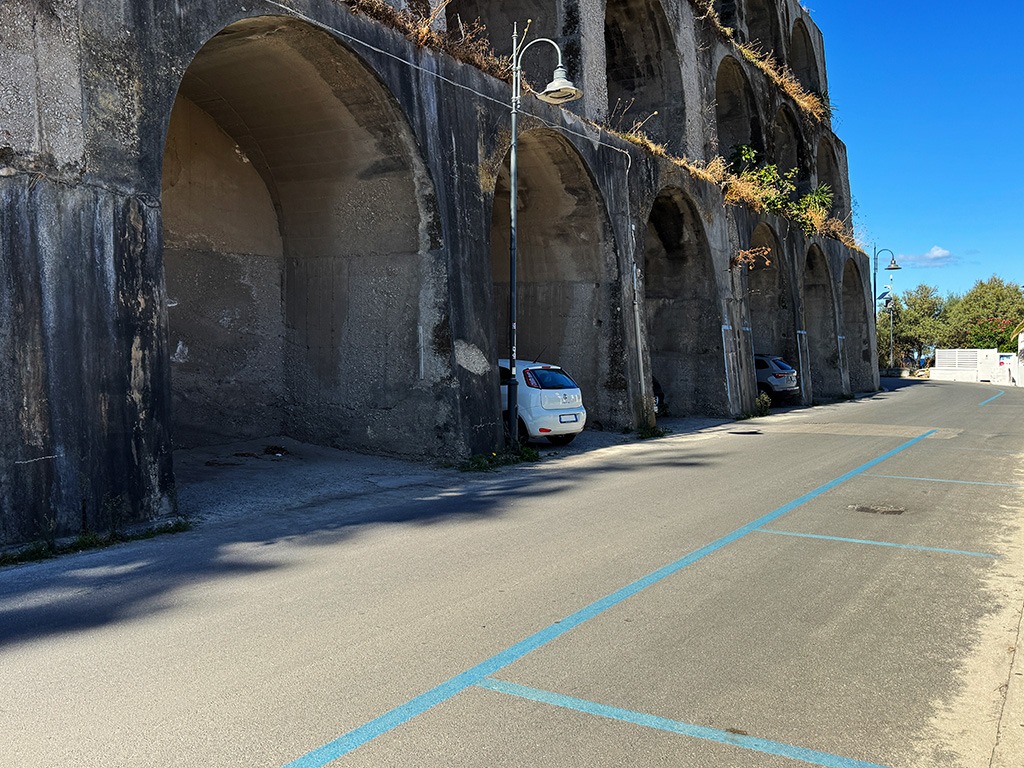
Blue lines means there is a cost for parking – look for meters nearby
Yellow lines: These lines are used for reserved spaces, usually for specific businesses and residences. You should not park in any spaces with yellow lines, unless you have express and provable permission from the owner (such as a hotel) or local authority.
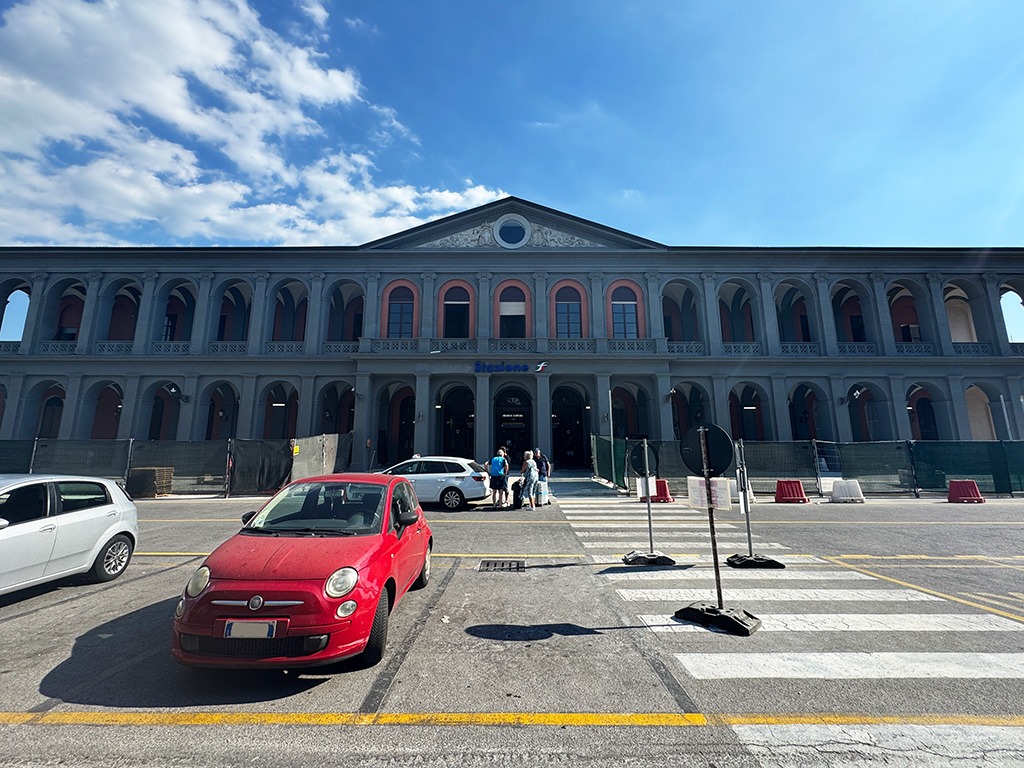
You’ll see yellow lines at public locations such as train stations
Red lines: The least common, as these are reserved for official and emergency vehicles. Never park on red lines in any scenario.
No lines: In back streets, smaller towns, and rural areas, you might not find road markings for parking. As such, exercise common sense when parking. Providing you’re not obstructing access to properties, driveways, gates, roads or other vehicles, you should be fine to park.
Parking lots
Beyond street parking you will of course also find car parks and paid parking in lots of varying shapes and sizes in Italy. The same colour coding applies to the rules of where you can park, and whether there is a cost, as I shared above.
Some car parks will operate on a ticketed basis where you will need to retain the slip given to you when you first access, using the payment machines when you leave to pay for your parking time.
Note that some car parks, particularly in built-up areas such as the historic centres of Italy’s big cities, operate on a valet basis. This is because the parking attendants will park your vehicle securely for a preset period (based on what you tell them), and then park other cars directly around it to make best use of the limited space available. I refer to this as ‘tetris parking’ and it’s therefore important that you can plan accordingly, as once your vehicle is in the tetris grid, there’s no getting out until the pre-agreed time.
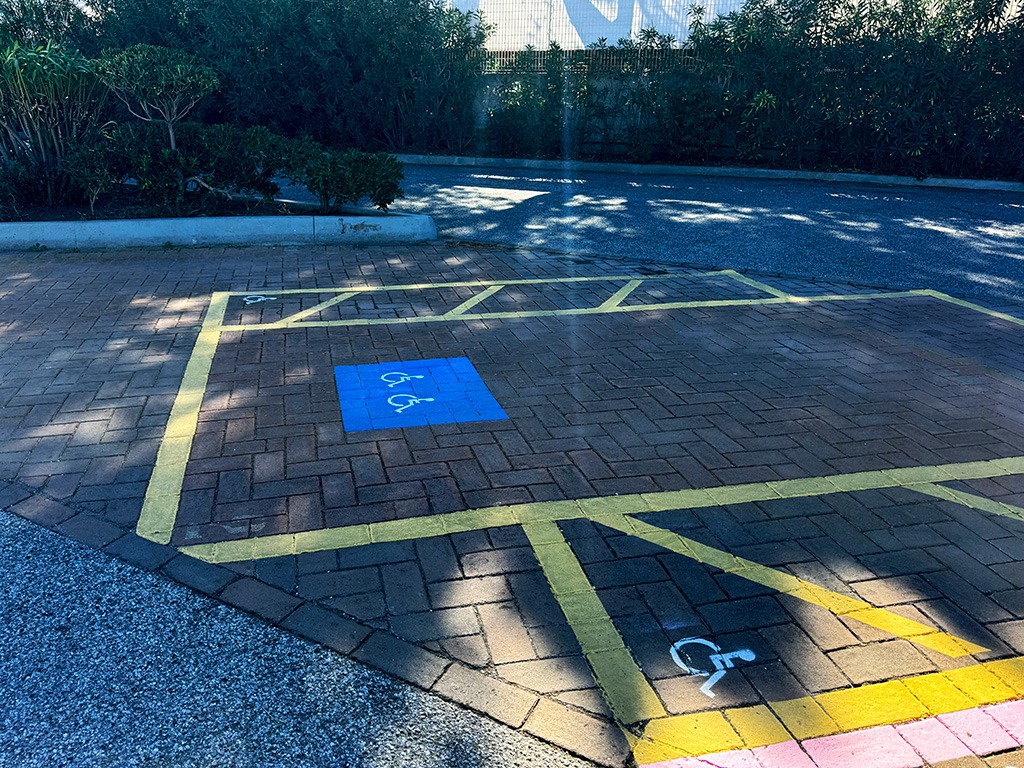
In both car park lots and in the streets, accessibility-friendly spaces are clearly marked and should only be used if you can display the relevant badge in your vehicle.
Fuel and gas stations in Italy
The main thing to be on the lookout for in Italian petrol stations is whether pumps are labelled ‘self’ or ‘servito’.
‘Self’ pumps are for you to use directly, paying either at the pump, to an attendant, or at the station counter.
‘Servito’ pumps are where paid professionals working for the station will fill up your car’s diesel/petrol. Note that the price for ‘servito’ is almost always around 20c higher per litre; you are paying for the convenience of not filling up the car yourself. Payment is also handled by the attendant, meaning you don’t need to leave your vehicle (particularly useful in bad weather!).
This is something that trips up travellers in my experience, as on the surface, gas stations in Italy appear normal and very much like those in the UK and US. If you are in doubt about what pump type something is, ask an attendant or the cash desk.
Understanding ZTL – Limited Traffic Zones
Most of Italy’s major cities now feature a ZTL in their historic centres. ZTL stands for Zona Traffico Limitato, which translates directly as Limited Traffic Zone, but are also commonly known as restricted traffic zones.
These zones are in place to stop unauthorised vehicles from entering the most congested, and often more difficult to navigate areas of towns and cities.
ZTLs generally operate on a schedule, and are rarely active 24 hours a day. However, the schedules can change based on local events and the time of year, so it’s advisable to plan ahead and research which areas are off-limits if you’re visiting any large town or city in Italy with your car.
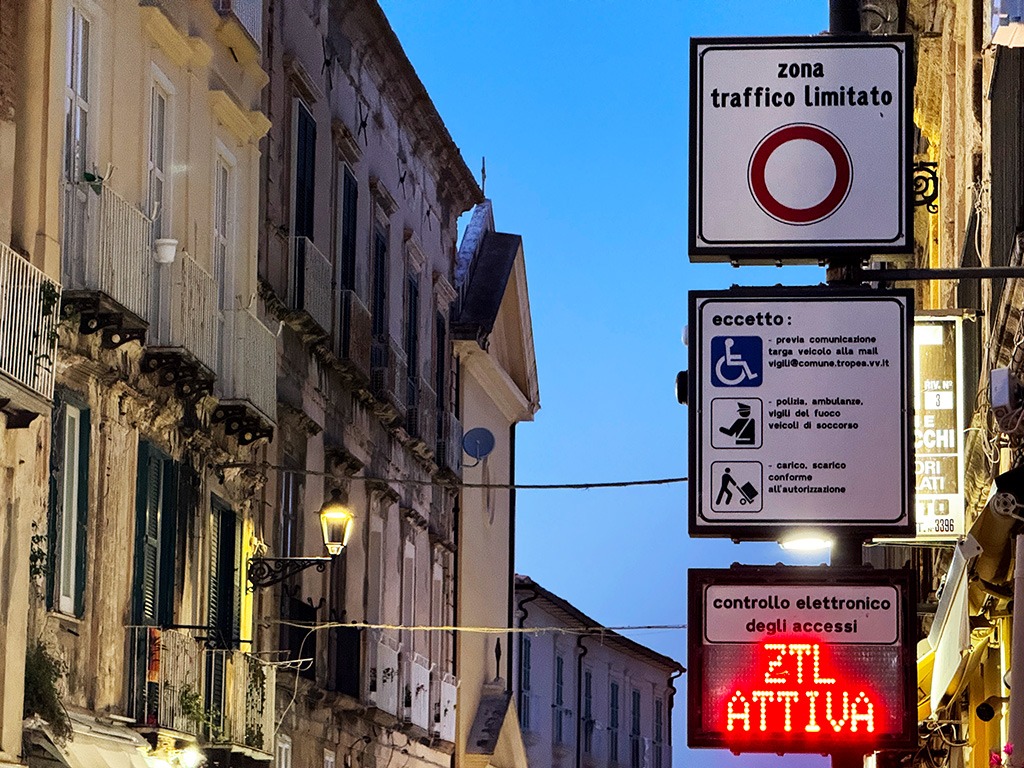
Pay very close attention to ZTL signage unless you want fines for entering restricted zones
When driving somewhere with a Zona Traffico Limitato, be sure to keep an eye out for the signs which show when you are entering the restricted area. If the sign displays information in green, it means that you are free to drive without limits. Conversely, if the sign displays information in red, you’re not able to proceed into the limited area – if you do so, you’ll receive a fine.
ZTL fines will either be administered in person by the local authorities (it’s common to have police officers at the entrances of the restricted zones), or after the fact via post. If you think that these fines won’t reach you if you’re coming to Italy from abroad, think again; Friends of mine once visited Florence and northern Tuscany with a rental car, who didn’t realise they had contravened multiple ZTLs – they only discovered a few months later when several fines were delivered to their home address in the US.
If you’re staying in a hotel or rental apartment within the limits of a ZTL, your accommodation should take care of registering your car with the local authority. This will ensure you don’t receive any fines when driving in and out of the ZTL.
Understanding toll roads and toll booths
Large sections of Italy’s autostrada (motorway/freeway) network are tolled – here are the key things you need to know about these fees and the associated processes:
- When entering a section of tolled road, you will go through a gate where you’ll collect a small ticket – do not lose the ticket, and take note of where you collected this ticket from (the name of the toll booth is written on the ticket) as you’ll need the ticket later, and possibly the location, when exiting the autostrada.
- Tolls are paid at toll booths which are found as you exit the autostrada. Payment can be made via cash or card, with signage denoting which lane in the toll booth allows each payment method.
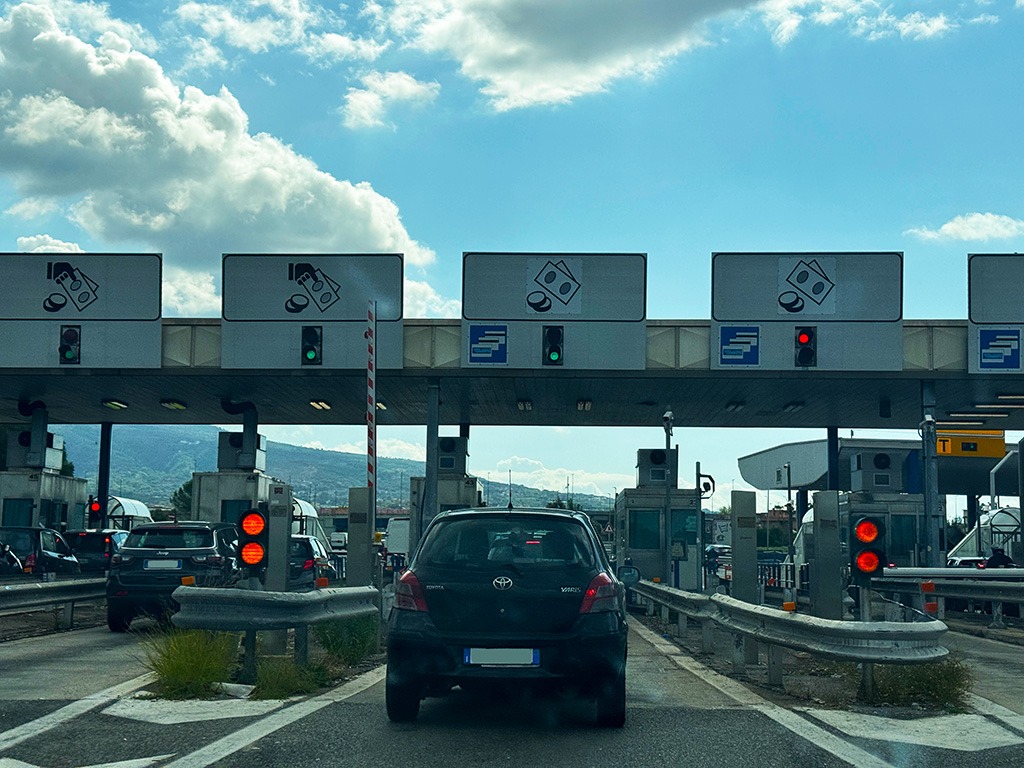
Take note of the signage on the gantry above the toll booths as you come to exit tolled sections of the autostrada
- When you arrive at the toll booth, put your ticket in the machine with the arrow on the ticket facing up and towards the machine. Some booths are manned, in which case, simply pass your ticket to the person working in the kiosk. The total due will be displayed on a small screen, typically slightly above where you enter/pass your ticket. Pay the fee due via your chosen payment method, and wait for the barrier to open before proceeding. I estimate costs on the basis that the tolls in Italy average at roughly €1 per 10km travelled.
- In the event that you lose your toll ticket you’ll need to tell the operator at the booth (if it’s not manned you’ll need to request assistance via the button on the machine) where you entered the autostrada. They will then calculate the total due for payment.
Beyond the lanes for payment via card or using cash, you’ll also see lanes marked as ‘Telepass’, with yellow lines and signage. This lane is reserved for vehicles featuring a Telepass device which allows the driver to pass through the gates without payment at that moment.
Instead, Telepass holders are charged remotely via a digital account. Fundamentally, this is an express lane which you should not use under any circumstance without a Telepass device (some rental car companies offer these) unless you want to be fined. Another friend (not the ones who received the fines for contravening ZTLs in Tuscany) once made the error of going through the Telepass lane on his way to visit me in Veneto. On exiting the autostrada, he was fined €60.
Using Italy’s ferry network with your car
To explore certain parts of this country with your own vehicle, or with a long-term rental car, you’ll need to make use of Italy’s ferry network. It wasn’t until 2025 that I managed to get to grips fully with the processes involved in transporting a car across from the mainland to the various islands off Italy’s coast, including Sicily and Sardinia. The processes involved, journey times and costs vary considerably depending on where you are visiting and at what time of the year.
Learn more about navigating to, from and around Italy via ferry in my detailed guide. Find out how to book tickets, understand timetables and route options, and much more here:
What to do in an emergency
The fundamental process for dealing with an emergency is no different in Italy than it is anywhere else in the world. Being in a foreign country when something goes wrong, it’s easy to panic and worry about language barriers (trust me, I’ve been there), but the first thing I tell travellers is to remember that a lot of Italians speak a baseline level of English, particularly in the big cities and areas popular with tourists.
Therefore, if something unexpected happens, do exactly as you would at home:
- In the event of car trouble or an accident, move to a safe location such as the emergency lane or a lay-by, and turn on your hazard lights. Exit the vehicle if it is safe to do so, following common sense and any nearby signage.
- Call the emergency services via 112 (requesting the option for an English-speaking operator if desired) and provide your location and details of the incident.
- For hire cars, contact your car rental company or roadside assistance service for help.
- Be prepared to provide documentation, such as your driving licence and car insurance, to the authorities.
I’d recommend saving your insurance details, assistance phone numbers and any other relevant information on your phone (offline), written down and stored in the glove box and with a trusted contact. I have found myself in the middle of the Italian countryside previously needing assistance. Without network data, getting the information can be a challenge.
One final recommendation is to thoroughly check the safety equipment in your car, ensuring compliance with local laws (for example, it is mandated to carry snow chains in your car during the winter months in large parts of Italy), as well as your tyre pressure, engine oil and other essentials before setting off.
Vocabulary and phrases
It’s worth familiarising yourself with a few key words and phrases in Italian if you’re planning on driving here – even some basics will make a big difference to your experience and confidence. Here’s what you should know:
- “autostrada” (motorway)
- “strada statale” (highway)
- “strada provinciale” (local road)
- “guidare” (to drive)
- “automobile” (car)
- “macchina” (also car)
- “benzina” (petrol/gasoline)
- “gasolio” (diesel)
- “aiuta” (help)
- “emergenza” (emergency)
- “polizia” (police)
- “destra” (right)
- “sinistra” (left)
- “avanti” (forward)
- “indietro” (backward)
If in doubt when speaking with an Italian, Google Translate or DeepL is your best friend; take time to write out what you need in your native language, using automatic translation to display the text in Italian.
More Frequently Asked Questions About Driving in Italy
Beyond the information above, I’d like to answer a few more FAQs I’m often asked by visitors wishing to drive in Italy:
What are the road speed limits in Italy?
Speed limits vary hugely depending on where you are in Italy, the type of road you’re travelling on, the weather conditions and more. Providing specific guidance on maximum speeds, average speeds etc. would mean potentially misleading you, so my overriding advice is to pay very close attention to road signs, using tools like Google Maps as a back-up to verify limits.
Can I use my horn while driving in Italy?
Absolutely, when valid and necessary. Italian drivers will use their horn to signal a warning to other drivers or pedestrians, as well as a sign of frustration (particularly the case in Rome, Naples or Sicily). One tip; in the event someone is beeping you, remain calm and proceed to drive sensibly – not doing so will risk making any situation more fraught. Sara often laughs at me when I’m driving in the UK when we visit friends and family as I use my horn liberally. After years of living in Rome and visiting the south of Italy, I find it a habit hard to break!
What are the rules regarding child car seats/booster seats?
According to the Automobile Club d’Italia (ACI) guidance: “Children up to 1.5 m in height must always be placed in an approved restraint system or seated in a child seat suitable for their weight … Children over 1.5 m must wear ordinary adult seat belts.”
Are seat belts mandated under Italian law?
Yes. All passengers, in all vehicle must wear a seat belt at all times. There are no exceptions to this.
At the end of the road…
Driving in Italy doesn’t need to be as stressful as the stereotypes and urban myths make out. Just follow the law, and the advice in my guide based on years of personal experience, and you should be fine. Want to know more about getting around Italy, including using public transport, walking or cycling? Contact me and I’d be happy to answer your questions.