

Published:
February 22, 2026
Last updated:
August 25, 2026
I make no secret of the fact that I love Sicily. If you read any of the guides on this site dedicated to Sicily, you’ll know that I have explored the Mediterranean’s largest island extensively, at all points of the year, since first visiting in 2015. Let me share with you what I’ve learned over the years to help you plan the perfect trip – including the best time to visit Sicily based on how you like to travel.
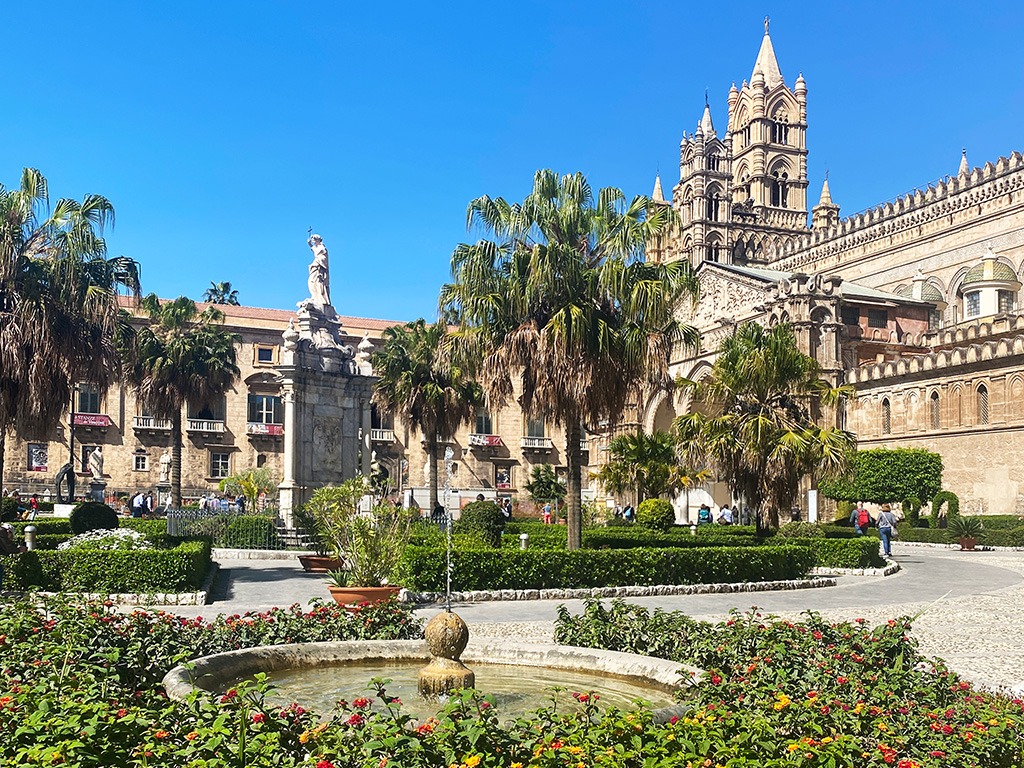
If you’re planning a trip and wondering about the best time to visit Sicily, this guide breaks it down by season, cities, beaches, islands, and travel style so you can choose what suits you best
When is the Best Time to Visit Sicily?
While there is absolutely an optimal time to visit Sicily, generally speaking, there are also specific times of year I would recommend coming here, based on your interests and travel preferences. In this free guide, I’ll walk you through the considerations for planning a trip to Sicily based on my firsthand experience. Click below to jump to the section that interests you most, or continue reading to get a complete picture of when to visit:
- A quick answer to the question ‘When is the Best Time to Visit Sicily?’
- Sicily by Season at a Glance
- Understanding Sicily’s Microclimates
- Top Tips for Visiting Sicily at Any Time of the Year
- When to Visit Sicily’s Cities
- The Best Time to Visit Mount Etna
- When to Visit Sicily’s Beaches
- When to explore Sicily’s Islands
- When Should You Visit Sicily Based on Your Travel Style
Who is this guide for?
This guide is for travellers looking for direction on when to visit Sicily in Italy. It has been written with first time visitors in mind, but also anyone returning to the island looking for guidance on visiting specific cities, areas or sights.
Quick Answer: When Is the Best Time to Visit Sicily?
I’ll cut to the chase if you’re looking for a quick answer; May is the best time to visit Sicily, and my personal favourite point of the year to come here. The weather is warm and stable, everything is open, and there is excitement in the air across the island in anticipation of summer.
If I can’t visit Sicily in May, my second choice is October. During the early fall, crowds have thinned from their summer and September peaks, and the mild weather is perfect for sightseeing.
As a general rule, I do not recommend that most travellers come to Sicily in June, July or August; temperatures peak around these months, when it’s not unusual for daytime highs to surpass 45°C/113°F. Doing anything in this heat is near impossible if you’re not used to it, as even the sea temperatures rise considerably.
Outside of these periods, if you are looking to avoid crowds entirely, come to Sicily in the winter months (the island’s off-season), but keep in mind that many sites, restaurants, and shops will be closed. If you’re interested in understanding more about the best times to visit Sicily, continue reading below.
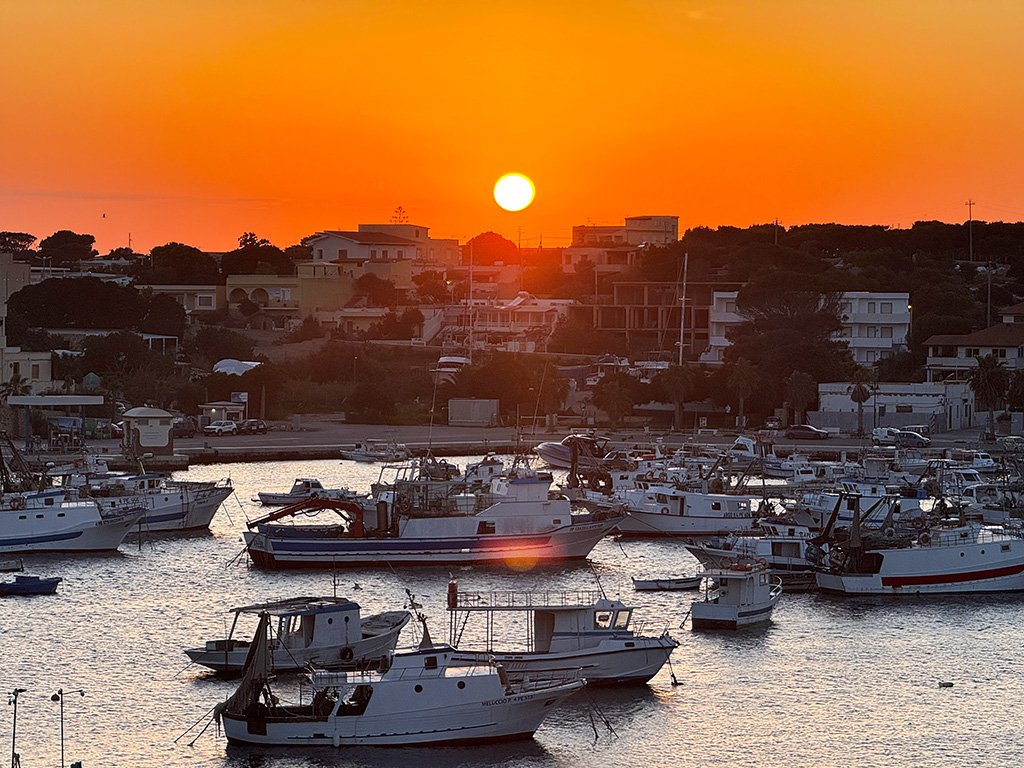
Really there is no bad time to visit, just better times based on your personal interests and travel style
Sicily by Season at a Glance
Sicily’s seasons are very set, with wet winters, fragrant springs, sizzling summers, and lingering autumns. This natural flow is a great way to plan a trip, in my experience, as it helps clearly define what each time of year is like weather-wise, how busy it is, and who should visit. Let’s take a look at each season:
Spring (March–May)
Weather feel: Warm and mostly dry, with storms and occasional rainfall blowing in off the Mediterranean. Day time temperatures average between 16°C/60°F and 25°C/77°F, and evenings/nights between 10°C/50°F and 15°C/60°F.
Crowds: This is a popular time of year for international visitors as well as Italians travelling within the country. With major Easter festivals and improving post-winter weather, most cities and key destinations tend to be busier.
Best for: This period is ideal for travellers wanting to enjoy Sicily’s famous events and make the most of the pleasant weather, with opportunities to explore the island’s many archaeological sites and nature reserves.
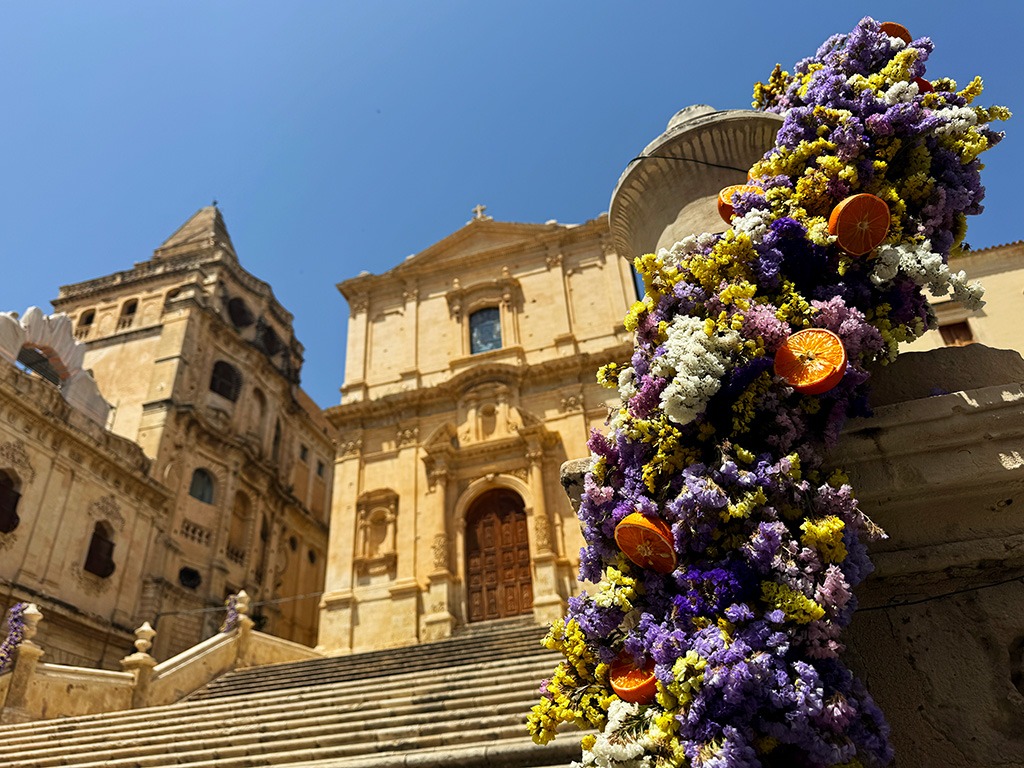
Many of Sicily’s famous events such as the Infiorata di Noto take place during the spring months
Summer (June–August)
Weather feel: Hot, sometimes extremely so. Sicily is one of the hottest and driest places in Europe, which can make the summers here feel very uncomfortable to those from cooler climates. Daytime temperatures average between 30°C/86°F and 35°C/95°F, and evenings/nights between 18°C/64°F and 25°C/77°F.
Crowds: June is the busiest time of summer, when temperatures have yet to peak in July, building on the already large number of people coming to Sicily in the spring. As temperatures rise, crowds thin through July and August, where visitors and locals alike seek cooler activities such as beach trips, island escapes and hiking on Mount Etna.
Best for: Sun lovers who want to spend most of their relaxing time poolside, at Sicily’s famous beaches, or by visiting any of Sicily’s outlying islands.
”And anyone who has once known this land can never be quite free from the nostalgia for it.
D. H. LawrenceEnglish Novelist
Autumn (September–November)
Weather feel: Storms and wet weather become more frequent from late October into November, though September and early October can still feel warm and settled. Daytime temperatures average between 18°C/65°F and 25°C/77°F, with cooler evenings.
Crowds: Many hotels across the island will close in mid-October following a busy summer, meaning that crowds dwindle further, even in the most popular destinations.
Best for: Sightseeing with the odd spot of relaxation depending on the weather, and travellers looking to enjoy Sicily’s slow pace as things wind down post-summer.
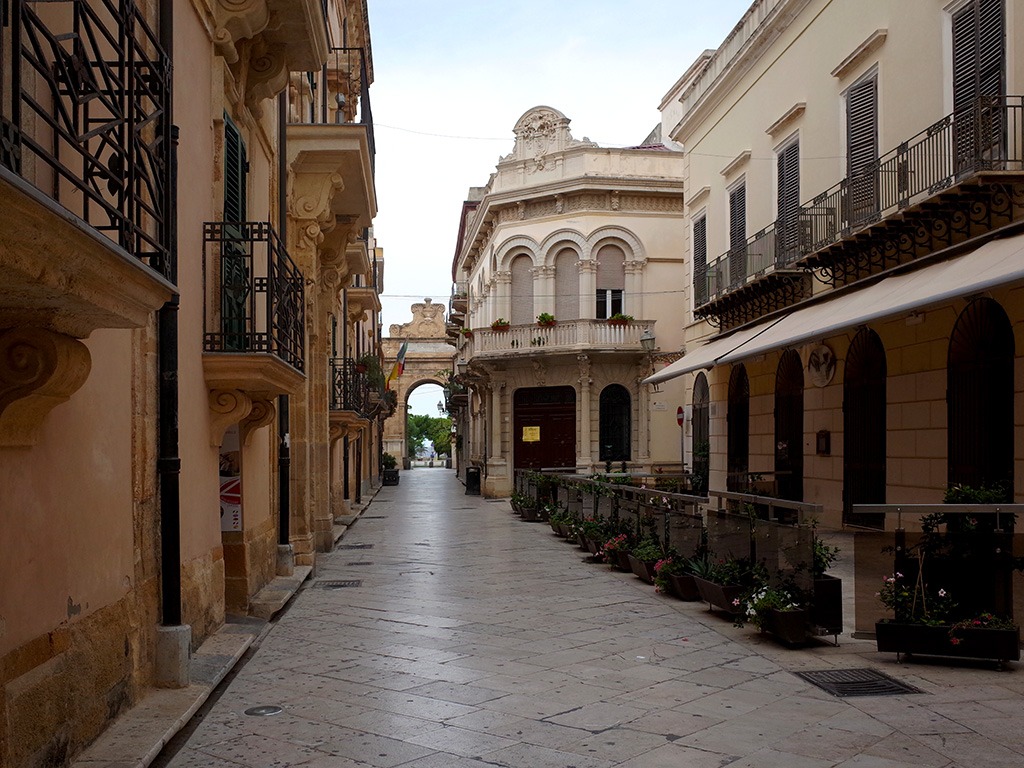
Sicily’s towns and cities start to quieten down during these months as the warm weather passes and winter approaches
Winter (December–February)
Weather feel: Storms and wet weather are becoming far more frequent through January and February, and while there are still the odd warm days here and there, they are inconsistent. Daytime temperatures average between 12°C/54°F and 18°C/65°F, and evenings/nights between 7°C/44°F and 10°C/50°F.
Crowds: This is the quietest time of year in Sicily, aside from holiday periods such as Christmas. Some sites close due to low visitor numbers, and those that remain open are rarely busy.
Best for: Crowd-free exploring and budget-conscious travellers, as accommodation rates outside of holiday periods are, on average, at their cheapest during this time.
Understanding Sicily’s Microclimates
Sicily is Italy’s largest region, and I would contend it’s the most geographically diverse. This island has everything: mountains and volcanoes, semi-arid plains and sprawling forests, long sandy beaches and dramatic coastal cliffs.
This diversity, Sicily’s sheer scale, and its position right in the centre of the Mediterranean mean that there are distinct microclimates across the island. This affects the best time to visit Sicily depending on where you plan to go – here are the headlines:
North coast vs South coast differences
The coastal towns and areas of Sicily share a Mediterranean climate, with mild, wet winters and hot, dry summers typical of the region. However, there are subtle contrasts between the north and the south. The south and southeast are generally warmer and drier, receiving more direct influence from hot air rising from North Africa in summer. An exception to this is the area around Mount Etna, where the volcano’s size affects weather systems, often creating storms when cool mountain air combines with warmer air from the sea. I share more about Mount Etna below.
The north coast tends to be a little cooler and has slightly more rain and seasonal variability, especially outside peak season. This can make a difference if you plan city walking or coastal exploration, as mornings and evenings on the north side often feel fresher, while the south tends to hold warmth longer into the evening with low rainfall.
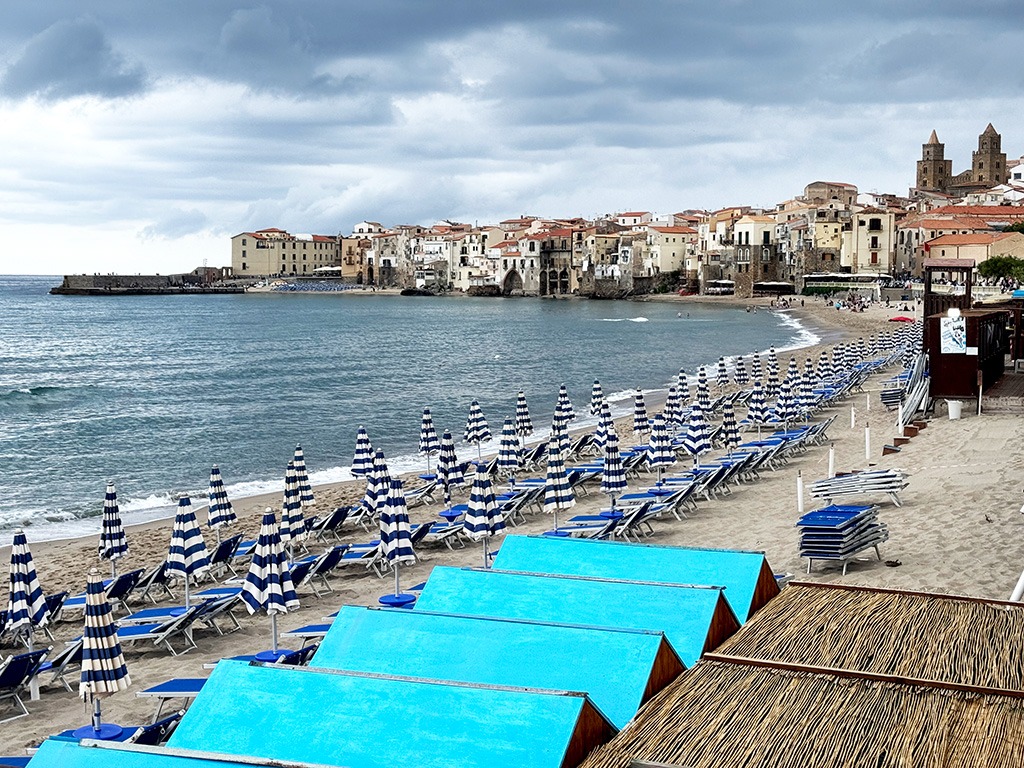
The weather in Sicily can change in an instant – always have an umbrella to hand!
Inland vs coastal climate variation
There’s a notable distinction between being on the coast and further inland. Coastal zones benefit from the moderating effect of the sea, which keeps winter temperatures milder and summer heat tempered by sea breezes. By contrast, the interior, especially hilly and mountainous areas, feels more ‘continental’, with greater temperature swings both day-to-night and season-to-season. Inland spots can get very hot in summer and noticeably cooler at night or in winter, and they often receive more rain overall.
Altitude impact (Mount Etna vs sea level)
Altitude changes everything, and Mount Etna is the starkest example; it’s so large that it effectively creates its own microclimate. At sea level, nearby towns can be warm or hot, while on Etna’s slopes the air becomes significantly cooler and more alpine, with snow lingering into late spring or beginning to settle in early autumn. The summit’s weather can change quickly and independently from coastal forecasts, so what you pack for an Etna day should be based on the altitude you expect to reach, not the forecast down in Catania or Taormina.
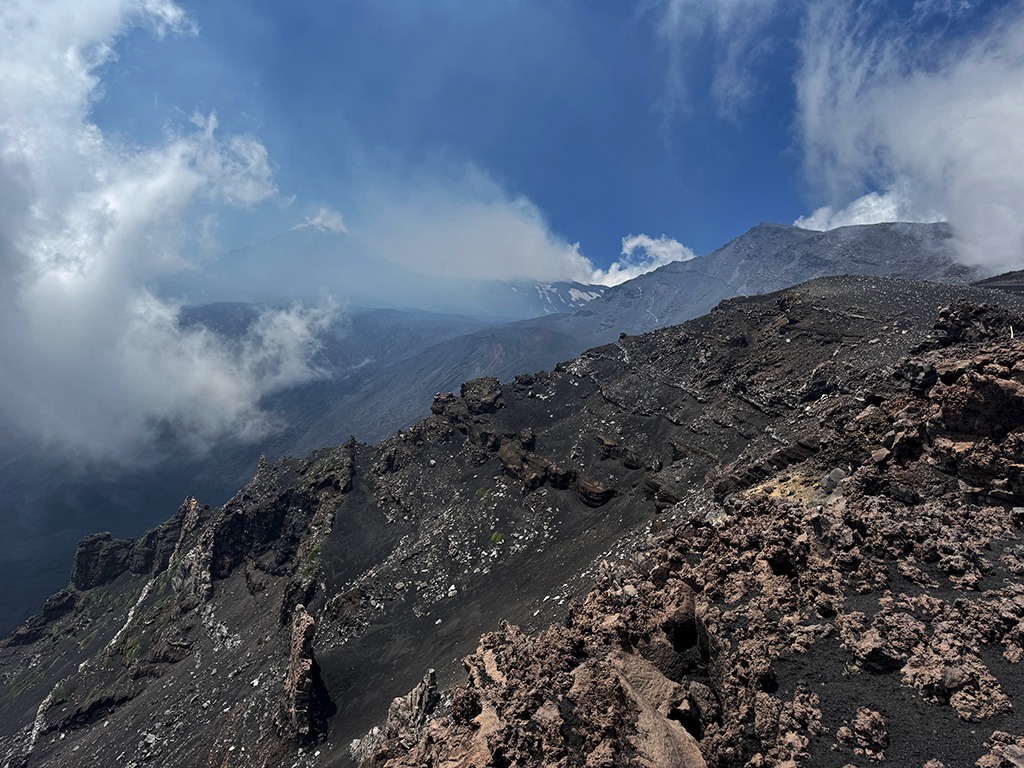
Conditions on Etna vary considerably depending on where on the volcano you are, and throughout the year
Wind exposure
Wind plays a surprisingly big role in Sicily’s climate with two winds in particular influencing local conditions:
Sirocco
This warm, dry wind comes from the Sahara Desert in Africa and can push temperatures higher and make the air feel heavier and drier, especially in southern and coastal areas. It’s most common in spring and summer and can intensify heat, often bringing hazy conditions and dust from North Africa.
Mistral and northerly breezes
Winds from the north or northwest bring cooler, fresher air, particularly along the northern coast. These sea breezes can moderate extreme temperatures, making coastal days feel comfortable for longer walks or sightseeing, even during the height of summer.
Top Tips for Visiting Sicily at Any Time of the Year
Sicily is a world unto itself, separated from the mainland not just by geography but by culture, history and cuisine. Many people I know who have visited Sicily without researching their trip beforehand have been surprised to find that the island follows a different rhythm from Rome, Florence, Venice, and even Naples (despite the historical links).
To help you prepare for any trip to Sicily, I’d like to share the following top tips to bear in mind, regardless of when you visit:
Infrastructure
Sicily’s infrastructure, while extensive owing to the island’s expanse, is not the most reliable in my experience. This can be exacerbated in winter and summer, when wet weather and high temperatures, respectively, can impact bus, train, and road networks.
With this in mind, my overriding tip for any trip to Sicily is to rent a car – unless you are planning to stay in a single location or are happy to rely on taxis and transfers to explore the island.
Cost Considerations
Relative to most of Italy, Sicily is cheaper to visit; restaurants, bars, museums and most activities cost less here, though there are some exceptions to be aware of.
Taxis in Sicily are generally quite pricey as there are fewer drivers relative to the island’s population. Many key locations are also spread out, meaning taxis often have to travel long distances.
The second exception is cost variation in certain locations. For example, Taormina is one of Sicily’s most expensive locations relative to the island’s average (although still cheaper than other iconic Italian destinations associated with good living, such as Capri in Campania).
While costs may fluctuate slightly between high and low seasons, this isn’t significant enough for me to recommend planning your trip purely around pricing.
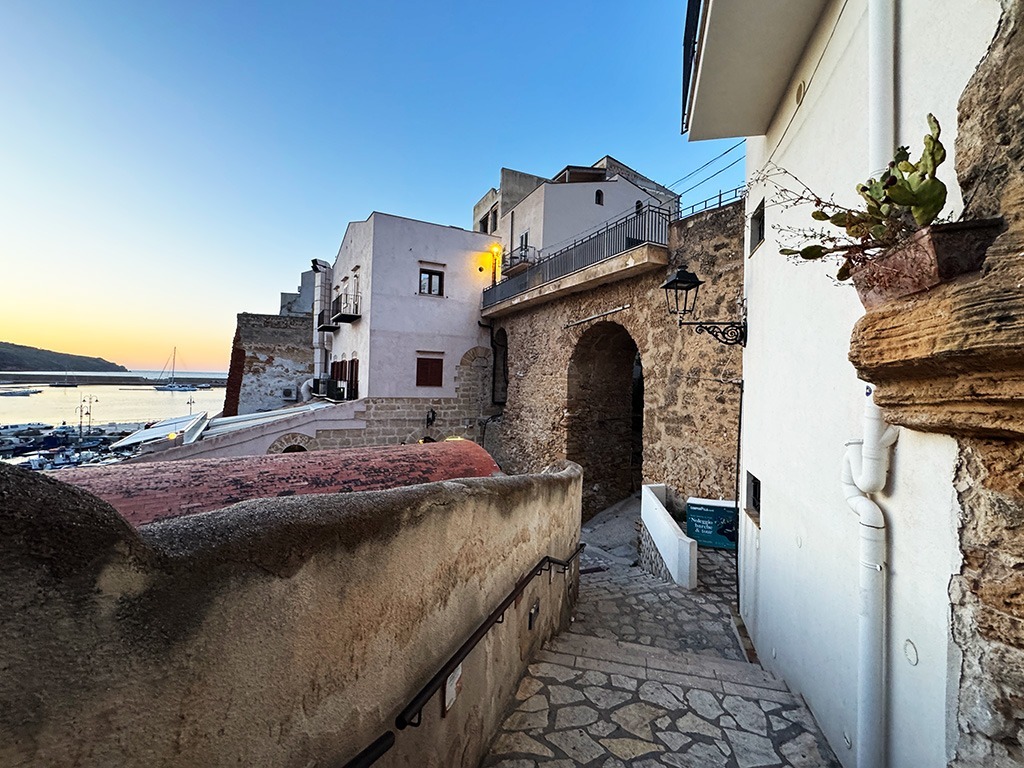
Even some of Sicily’s most picturesque places are markedly more affordable to visit compared to much of the Italian mainland
Seasonal & Weather Practicalities
As touched on at the beginning of this guide, Sicily’s seasons are clearly defined and can significantly impact your experience. Here is an at-a-glance summary of three main things to consider:
- Many hotels, restaurants, shops and sights (museums, archaeological sites, etc.) will close in the winter months.
- Summer temperatures can make exploring difficult for those not used to the heat, and they also mean that local life follows a traditional rhythm, with most things closing during the hottest part of the day and reopening in the evening.
- Storms are a common occurrence in Sicily due to a result of the island’s position in the centre of the Mediterranean and Mount Etna’s impact on weather systems. Be sure to pack an umbrella regardless of when you visit.
When to Visit Sicily’s Cities
In this section, I’ll share with you some specific recommendations related to Sicily’s key cities, but before doing so, here are some at-a-glance suggestions that are applicable regardless of where you are planning to visit:
Best overall months for city exploration
Cutting straight to it, I believe the best time to visit Sicily’s cities is May and October. Warm weather makes outdoor activities such as walking tours and market visits enjoyable, and after the sunset, mild temperatures mean you can comfortably sit outside and enjoy an aperitivo with dinner.
Months to avoid for heat-sensitive travellers
If you are sensitive to heat, I strongly recommend avoiding Sicily’s cities in the peak summer months of June, July, and August, and even into early autumn, when temperatures can remain high.
If the summer is the only time you can visit, plan to spend the hottest part of the day in museums, art galleries, and other indoor spaces. Most attractions are air-conditioned, and at the very least, you won’t be in direct sunlight.
Best months for festivals and culture
If experiencing Sicily’s local festivals and famous cultural events is your priority, come to the island’s cities between the end of February and mid-May. During this time of the year, with the arrival of spring and Easter, many festivals and key events are held across the island. Top examples include:
- Agrigento, Almond Blossom Festival – Typically held in mid-March, this event celebrates the change of season, as the countryside around Agrigento transforms when the almond trees bloom. Traditional dancing, music, and food feature heavily, with local artisans offering handmade crafts that honour southern Sicily’s heritage.
- Catania, Holy Week – Across the Easter period, all of Sicily is busy with religious celebrations, but none more so than Catania. The eastern Sicilian city in the shadow of Mount Etna is famous for its grand processions, attracting pilgrims and visitors from across the Catholic world.
- Noto, The Infiorata di Noto – This iconic event sees an entire street in Noto transformed by flower artists who create intricate designs with Sicily’s spring flora. Each year, the festival typically follows a specific theme and is held in the second half of May. For more information about the Infiorata di Noto, take a look at my guide here.
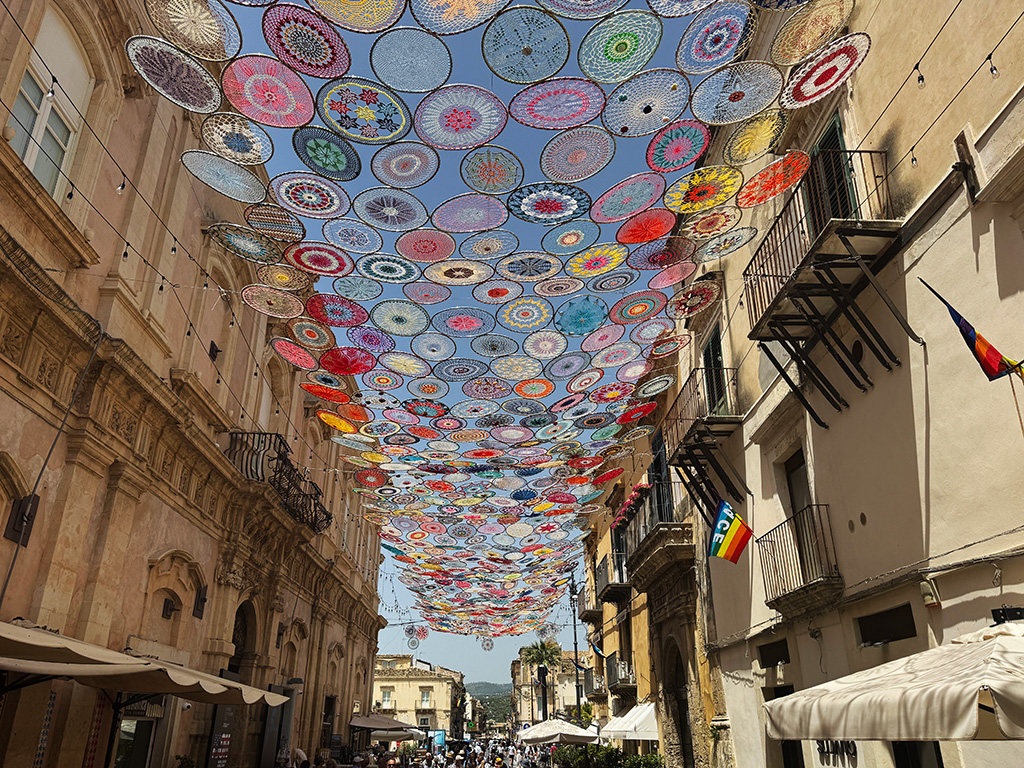
Spring and early summer really sees the island come to life with events and festivals
Best months for fewer crowds
Sicily’s cities are at their quietest during the winter months, except for major holidays like Christmas and New Year. From late October through to early February, there are far fewer tourists across the island, both coming from abroad and mainland Italy.
For the most part, hotels remain open through the winter in the main cities, and accommodation prices are at their lowest, as establishments look to attract visitors coming to the island.
Looking next at Sicily’s main cities, here are some specific recommendations on when I’d suggest visiting based on personal experience:
Catania
Catania is best visited in the spring, particularly around Easter, when the city is alive with religious celebrations. Beyond the buzzing atmosphere at this time of year, the weather around Easter is generally good, making sightseeing enjoyable and hikes on nearby Etna less intense.
Summer aside (when temperatures are very high), I would personally recommend avoiding visiting Catania in January or February. During these winter months, storms are common, and the combination of Mount Etna and the Ionian Sea leads to frequent clashes of weather fronts.
Palermo
Palermo is a city of extremes: extremely busy streets, extremely rich history, extremely good food, and extremely high summer temperatures. If visiting in summer, you can beat the heat by heading to the famous beaches of Mondello, Cefalù, Castellammare del Golfo or San Vito Lo Capo.
Otherwise, consider visiting between November and March when temperatures are mild. As the regional capital of Sicily, most hotels and major sights remain open year-round, and crowds are at their smallest.
Are you ready for Palermo?
Best Hotels
Find your perfect base in the Sicilian capital, whether near the energy-filled markets or at one of the city’s luxury, old-world hotels. Book with confidence with Booking.com
Top Attractions
Reserve your entrance to Palermo’s cathedral, Norman Palace and Botantical Gardens, or join expert-led cuisine tours to indulge in the city’s famous food and drink:
Insider Tips
Benefit from our many years of Sicily travel experience, making the most of our insider knowledge to save you time, money and stress when travelling
Are you ready for Palermo?
Best Hotels
Find your perfect base in the Sicilian capital, whether near the energy-filled markets or at one of the city’s luxury, old-world hotels. Book with confidence with Booking.com
Top Attractions
Reserve your entrance to Palermo’s cathedral, Norman Palace and Botantical Gardens, or join expert-led cuisine tours to indulge in the city’s famous food and drink:
Insider Tips
Benefit from our many years of Sicily travel experience, making the most of our insider knowledge to save you time, money and stress when travelling
Syracuse / Ortigia
Syracuse and its island district of Ortigia are best enjoyed by exploring the various outdoor archaeological sites, ancient ruins and picturesque neighbourhoods that these spots are famous for. With this in mind, May/June or September/October are the best times to come; the weather is warm (not too hot), and the chance of storms or wet weather is reduced.
Much like nearby Catania, many hotels and attractions in Syracuse and Ortigia close during the winter, so I wouldn’t recommend coming here during the winter months unless you are willing to trade these inconveniences for reduced crowds and lower average accommodation prices.
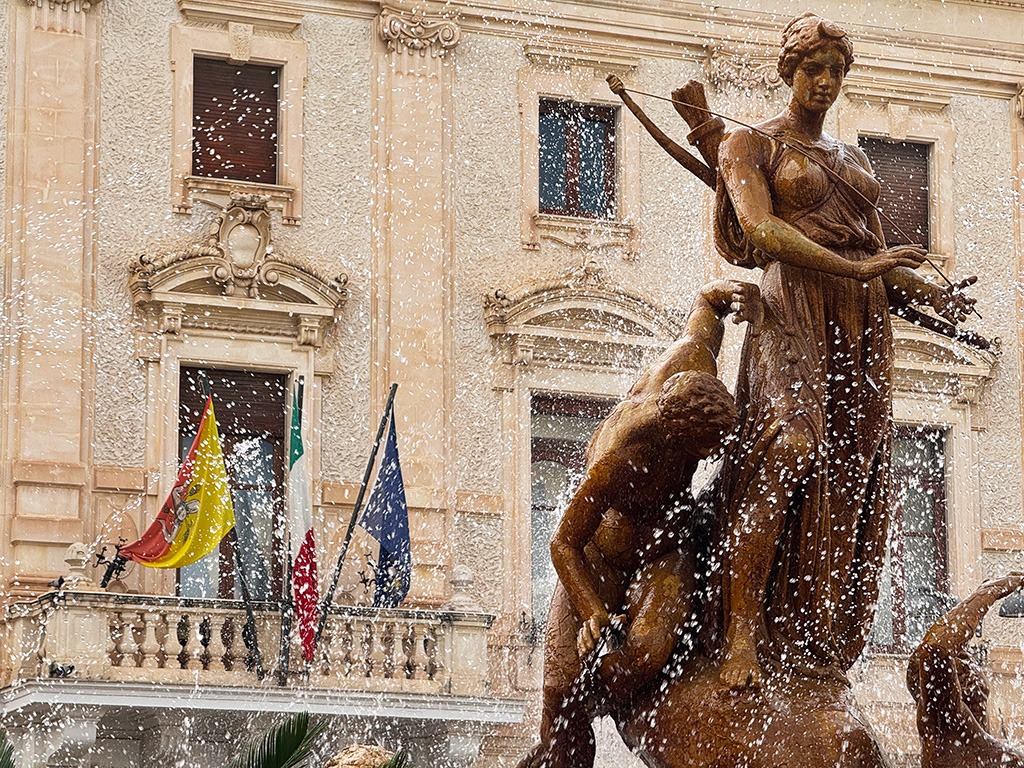
Ortigia’s old grandeur makes visiting this island a joy regardless of the time of year
Val di Noto (Baroque Towns)
May through to early June is by far and away the best time to come to this part of southeastern Sicily. The combination of pleasant weather, local festivals, and manageable crowds makes it perfect for discovering the historic sites of Noto, Modica, Ragusa, and beyond.
I share in more detail the essentials of planning a trip to this part of Sicily in the following guide, focused on one of the all-time favourite places in Sicily, the Baroque city of Noto:
The Best Time to Visit Mount Etna
Europe’s largest volcano is one of the most popular attractions for visitors to Sicily.
At 3,403 meters high and in a constant state of activity, planning a visit can feel daunting. Only recently did I get to grips with the various factors that can affect trips to Etna – learn from my experience to save yourself time and hassle when planning your Sicily itinerary. Always check official safety guidance on the monitoring website before visiting.
Volcanic Activity
First and foremost, Etna is an active volcano (the most active in Europe, in fact), and activity is constant, not just at the crater but across the volcano.
The volcano is closely monitored by experts, and when activity increases to unsafe levels, visits are suspended. As such, it is important to double-check the official safety guidance on the official website prior to any trip to Etna.
If you are visiting Etna on a tour, your agency guide will relay updates on Etna’s status in the lead-up to your experience.
Weather Matters
Beyond volcanic activity affecting visits, weather is a major factor in planning a trip to Etna. The volcano’s sheer size has a dramatic effect on the climate in this part of Italy, and, of course, the higher you go and the closer you get to the crater, the colder the temperatures.
As a result, I would recommend looking at any period between May and October for a trip to Etna.
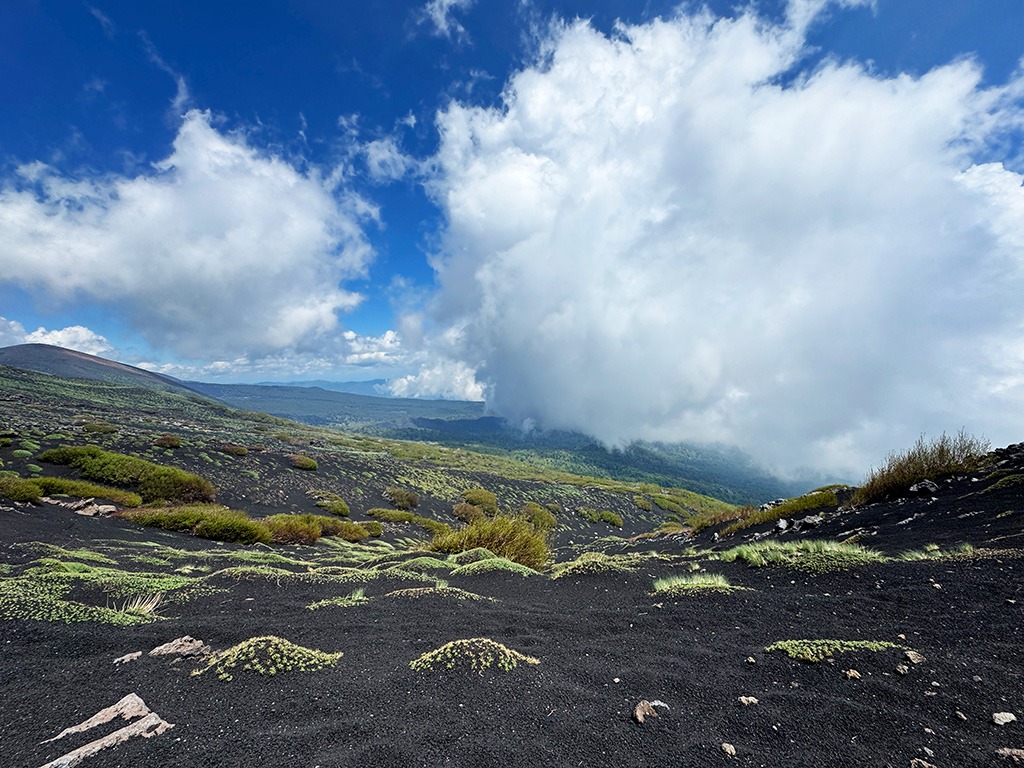
Etna’s breathtaking landscape is best seen in fair conditions
Through the late spring to early autumn, you’ll find generally stable weather in this area of Sicily, with the occasional storm where the cold mountain air meets the warmer climes from the sea.
During this period, you will find temperatures warm/hot at the lower levels of the volcano, and cool – but not inhospitable – near the summit.
This recommendation applies regardless of whether you are hiking Mount Etna, looking to visit a vineyard for a wine tasting on its slopes, or simply wanting to appreciate it from one of the smaller towns that dot the side of the mountain.
You can visit Etna between November and March, but you should plan for potential wet/snowy weather and very cold temperatures at the crater. The upside of visiting at this time of year is seeing the volcano blanketed in snow – truly majestic, especially on a clear day and set against the bright blue of the Ionian Sea and the lush green landscape of Sicily in the winter.
The Best Time to Visit Sicily’s Beaches
With over 1,600 km of coastline (including outlying islands), Sicily isn’t short of beautiful beaches. All of Sicily’s beaches and coastline can be visited all year round, but it should be noted that the official “bathing season” runs from May to October, like most of Italy.
I’ve shared previously that summers in Sicily can be extremely hot, which may have you thinking that a good time to visit Sicily’s beaches would be when temperatures are at their highest. However, this might not be the best option. Not only are temperatures high between June and August, but sea temperatures also peak and can feel very warm.
So warm, in fact, that Sara and I joke that considering the translation of “going to the beach” in Italian is “fare un bagno” – “to take a bath” – it takes on a whole new meaning.
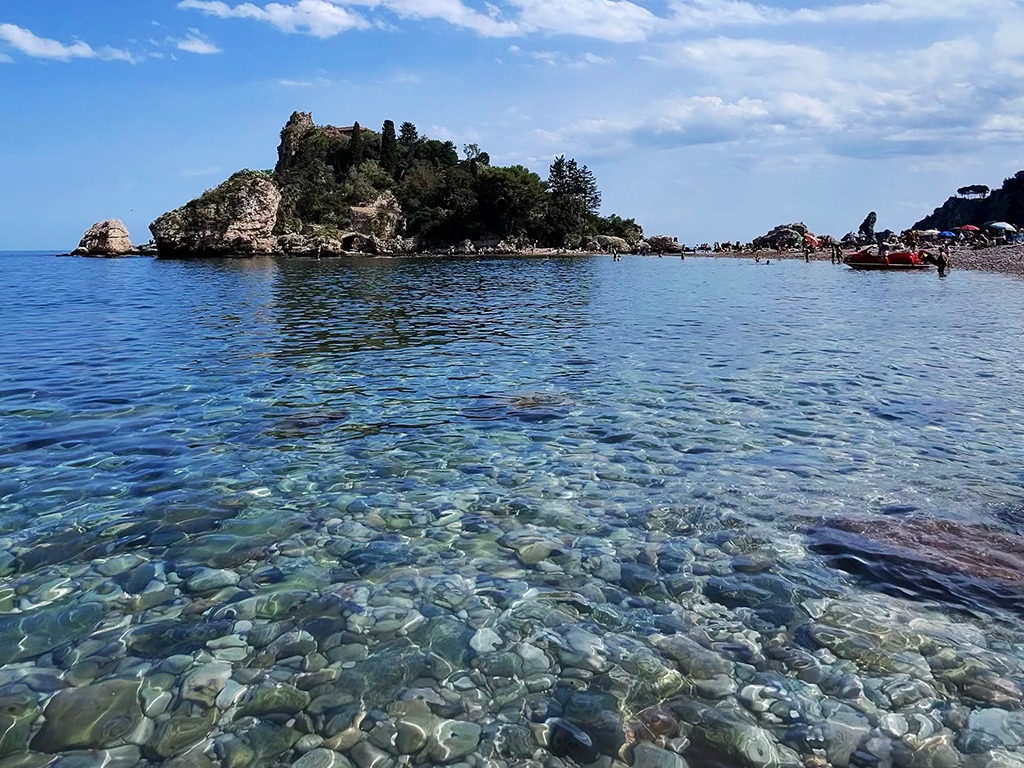
There’s no shortage of incredible beaches across Sicily, with one of our favourites being Isola Bella in Taormina
By process of elimination, May and early June, and September and October are ideal for a classic Italian beach experience – sunbeds by day, waterside lunches, and spritzes at sunset.
Late spring/early summer is a good time to consider a beach vacation in Sicily, where daytime temperatures can be very warm, and the sea has started to warm up after winter and spring.
In the early fall, warm/hot daytime weather continues through September and even into October, with the sea feeling warmer than in spring, having had the summer to fully heat up.
Sicily’s beaches are busy all year round once the weather turns warm, peaking in August when the island fills with vacationing Italians enjoying the Ferragosto holiday (August 15), downtime from work, and the school holidays.
Italian beach culture took Sara and I a while to get our heads around. After living on the Roman coast for years, we’ve now mastered how to navigate sunbed rental, dress codes, swim safety, and everything else you need to fully enjoy Italy’s beaches. We share all of this so you don’t have to learn the hard way in this detailed guide on Napleswise:
When to Visit Sicily’s Islands
Off Sicily’s extensive coastline, you’ll find 15 inhabited smaller islands, and a further 22 uninhabited isles. Sharing guidance on every island would make this guide considerably longer and incredibly boring for you to read through. Instead, let me share some of the key things to know, applicable to any of Sicily’s islands.
All of Sicily’s islands can be visited at any time of the year, but connections and transport options vary considerably between the cooler period (late autumn–early spring) and warmer months (spring through summer until autumn).
You’ll find ferry options to all of the major island groups from ports such as Milazzo, Trapani and Porto Empedocle, and also air connections from Sicilian airports (Palermo, Catania and Trapani) and Italian mainland airports (such as Rome Fiumicino) to the islands of Lampedusa and Pantelleria.
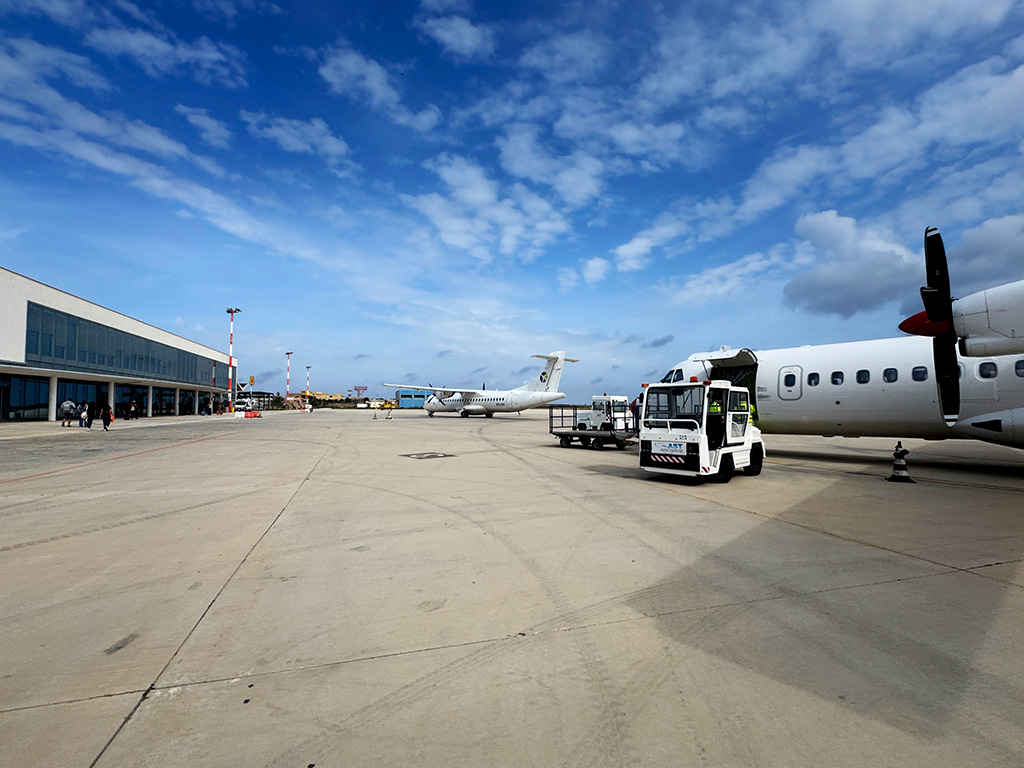
All of Sicily’s airports are on the smaller side, adding to the convenience of visiting the small islands off its coast
Both ferry and air services operate on reduced timetables in winter, with the fewest connections between November and March and the most between June and September. This reflects visitor demand, with these being the quietest and busiest periods respectively.
These highs and lows also impact pricing, with ferry and air fares peaking in August and dipping in January/February on average.
In my experience, if you are looking for a relaxing vacation without spending too much, consider visiting Sicily’s islands in mid/late June: prices haven’t peaked yet, and the cool breezes from the Mediterranean serve to offset the high Sicilian summer temperatures.
This time of year is also perfect for those seeking activities and culture, as all tours, attractions, and sites will be open and operational.
When Should You Visit Sicily Based on Your Travel Style?
If you want beaches, go in May/June or September to avoid the high season and big crowds.
If you want city exploration, April and May are ideal for local festivals and pleasant weather for sightseeing.
If you want hiking / Etna visit between May and September – and be sure to check weather conditions and volcanic activity levels.
If you want fewer crowds mid-January to mid-February is the quietest period, post-Christmas and pre-Valentine’s Day.
If you want lower prices, travel between November and February, avoiding major holidays such as Christmas.
If you want everything open and lively, June through September is peak season, when the island fills with visitors from mainland Italy and abroad.
Given the island’s diversity, there’s no single answer to the question of the best time to visit Sicily – it depends on your travel style and priorities. Hopefully, this guide has helped point you in the right direction. If you need any further information, feel free to reach out.