
Published:
July 30, 2026
Last updated:
August 30, 2026
For a small island floating in the middle of the Mediterranean, Lampedusa is not short of things to do, sights to see and experiences to enjoy. There really is something here to suit every travel style and budget which is one of the many reasons I love spending time on this island. This definitive guide breaks down my top activities based on real travel experience.
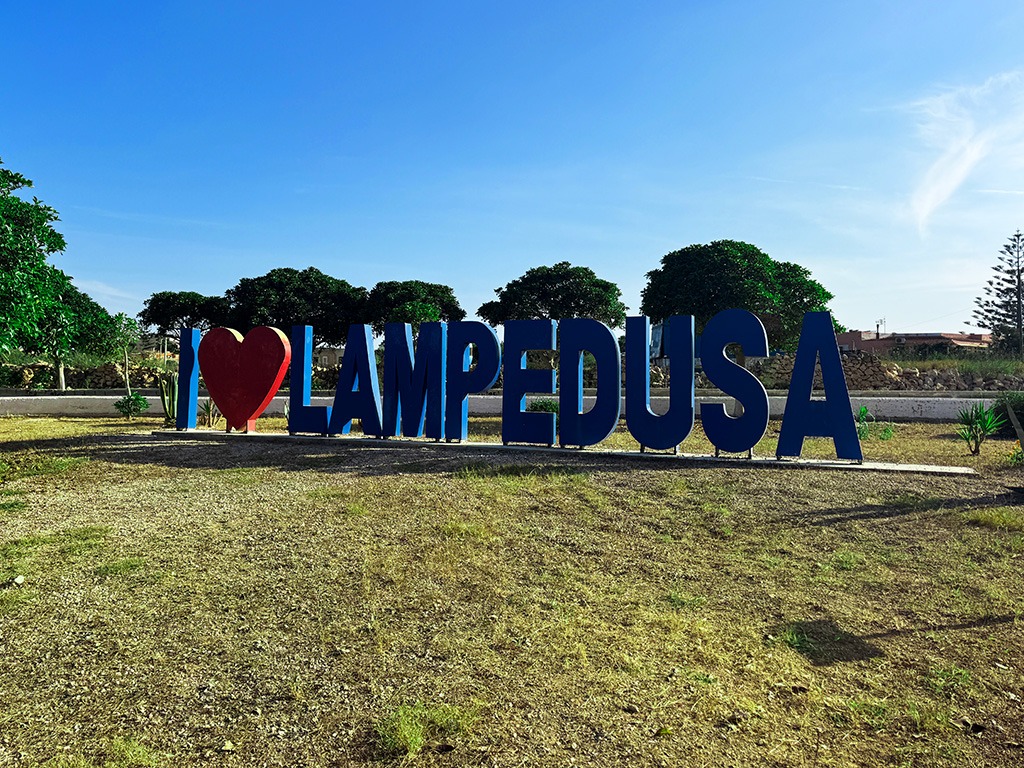
The range of things to do and experiences to enjoy on Lampedusa is one of the main reasons I love spending time here
There’s more to this island than you might think
When I first visited Lampedusa I expected there to be only a few main activities and sights to see on this small island home to only 6000 permanent residents. What I found however, on that visit and on follow-up trips, was the complete opposite.
There are endless things to see and do all year round. Especially so when the summer arrives in this part of the Mediterranean Sea in late May, lasting through mid-October. This guide is a summary of the best things to do on Lampedusa and nearby, all based on my personal experiences on the island. Let me share the following with you:
- Visiting the island’s beaches, including Rabbit Beach/Spiaggia dei conigli
- Boat tours and rentals (including dolphin watching)
- Exploring Lampedusa’s nature – hiking, diving, and more
- Discovering Lampedusa’s history and culture
- Food and drink in Lampedusa – a self guided food tour
- Tips for shopping on Lampedusa including gift ideas
- Bonus: Day trip to Linosa
Who is this guide for?
I’ve written this guide for travellers who are coming to Lampedusa in Sicily, or those considering a trip here, and wanting to understand what there is to do on the island. The recommendations included in this guide are correct as of August 30, 2026 and will suit first-time visitors, as well as those returning here.
For more Lampedusa guides, including guidance on getting here, the best places to stay, plus my top restaurants and much more, click here:
Lampedusa’s Beaches
Jumping straight in, if there’s one thing this small island is known for, it’s the pristine beaches which are widely considered some of the best in all of Italy. After having visited all of the major beaches and coves on the island, I can confirm that this assertion is undeniably true; you won’t find many places where the beaches rival Lampedusa’s in terms of natural beauty and water clarity.
Let me share with you three top beach options to get you started:
Cala Guitgia – The easiest to visit from Lampedusa town
This fully equipped, centrally located beach is a favourite among visitors and locals, especially at the weekends during peak season when residents flock here to enjoy the the clean sand, easy water access and beach side restaurants.
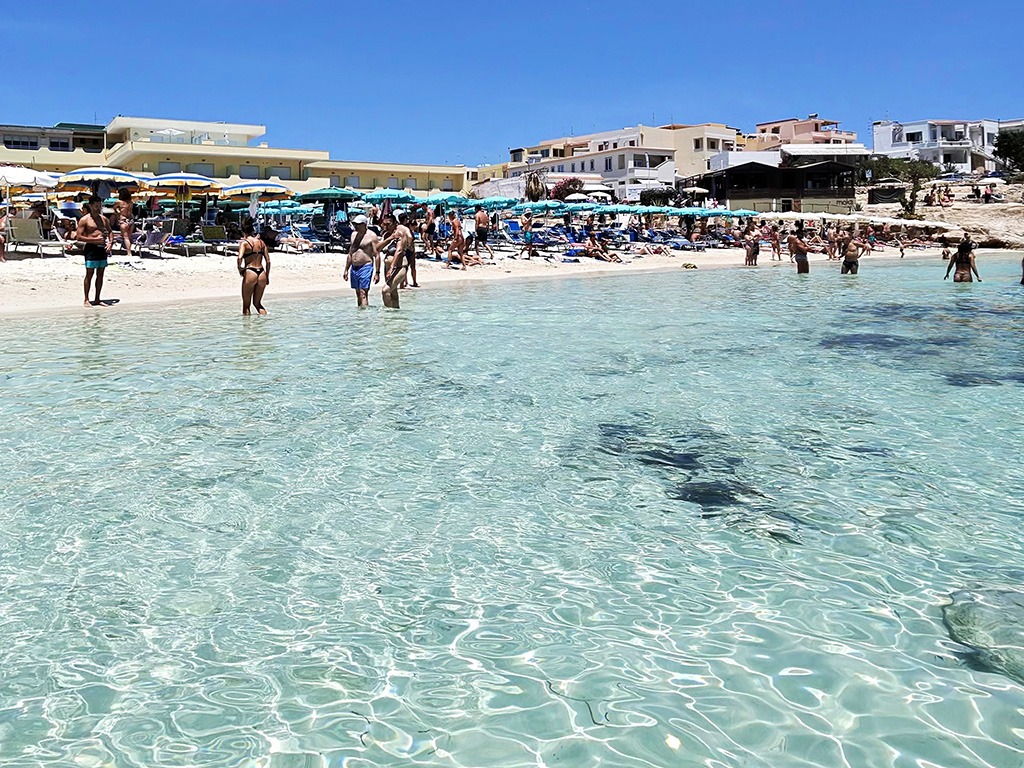
With water this clear and clean it’s easy to see why Italians flock to this island for their summer vacations
You’ll find a small section of “free” beach, where you can set up on the sand without cost, as well as various vendors and beach clubs offering bed and umbrella rentals. My go to operator in Cala Guitgia for a sunbed is Gaspa…rino, who goes above and beyond to ensure his patrons have the most comfortable beach day possible.
At Cala Guitgia, you’ll also find one of my favourite places to enjoy a beachside lunch; Tommasino. Reserve a table with a beach view, and people watch as you enjoy some of the best seafood in Lampedusa.
Rabbit Beach (Spiaggia dei Conigli) – Lampedusa’s Most Famous Beach
This beach, world-renowned for its fine white sand and beyond clear waters is routinely compared to the Maldives. Spiaggia dei Conigli (Rabbit Beach) is consistently rated among the world’s best beaches and is known for its stunning beauty and clear waters, but this comes at a price when it comes to getting here, as well as the experience when at the beach.
The most important thing to understand about Rabbit Beach is that it sits within a highly protected and strictly managed nature reserve. This means that access for nearly all visitors is facilitated via an online booking system, limiting access to Spiaggia dei Conigli to approximately 500 people in the morning and the same in the afternoon. This ensures that the beach doesn’t become too crowded, and is is enjoyable for all that come here.
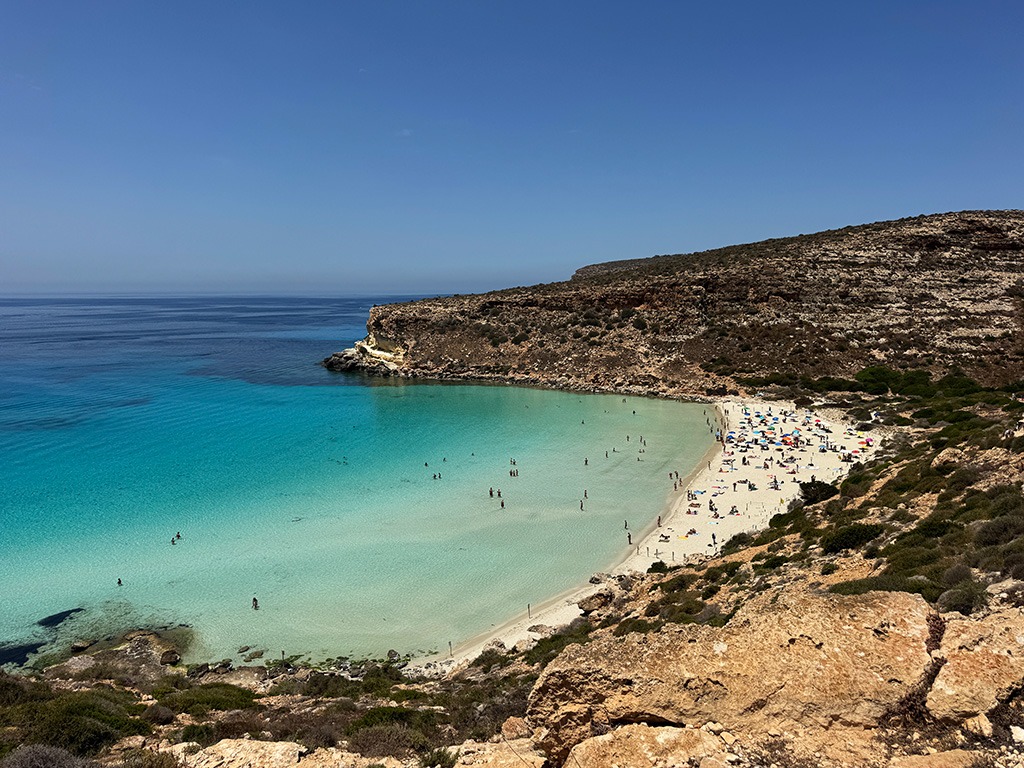
From Rabbit Beach other famous beaches such as Cala Pulcino can be reached by hiking to the other side of the high cliffs seen here on the right
There are no facilities whatsoever at the beach itself; this is a 100% natural beach where the focus is the preservation of the natural environment and the protection of the animals that call this part of Lampedusa home. Natural residents of this part of Lampedusa’s coastline include the endangered loggerhead turtles who lay their eggs in the sand here.
If this completely unspoiled slice of paradise sounds like your kind of beach, getting here is straightforward enough but requires a little effort and time:
- On foot: The entrance to the beach is roughly 6km from Lampedusa town, which will take most people around 1.5 hours to walk.
- By bus: Lampedusa’s blue line bus, which starts in Piazza Comm. Brignole in the main town, stops at the beach entrance (stop 10) and takes around 20 minutes.
- Driving: Getting here by car or scooter is the most convenient option, with a journey time of 15 minutes from the centre of Lampedusa. You’ll find plenty of parking at the beach’s entrance.
In all cases, the entrance where you’ll arrive is not where the sand and water start. The actual beach is found down the hill/cliff, following an unpaved, sometimes rough path for 800m (10-15 minutes walking) through the nature reserve.
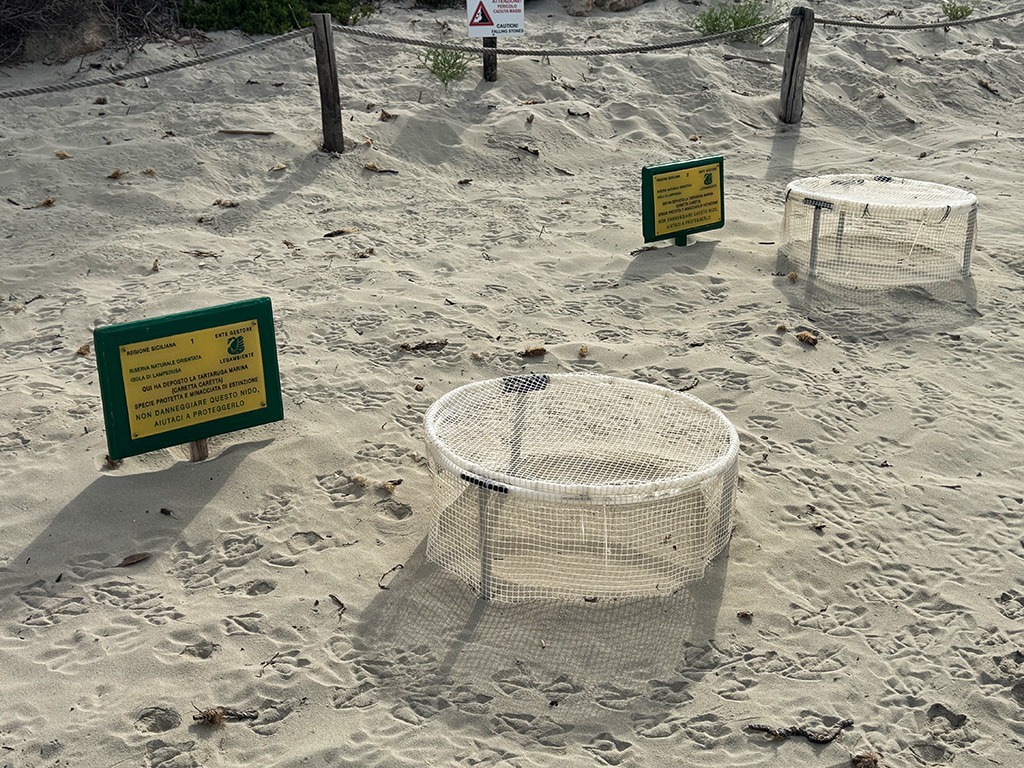
If you’re lucky and depending on when you come to Rabbit Beach you’ll see baskets on the sand like pictured here which are in place to protect the Caretta Caretta turtle eggs that have been laid in the sand before they hatch around August
Once you’re on the sand you are free to swim in the crystalline waters and find a spot to sit on the beach, but note that you cannot step foot on Rabbit Island (Isola dei Conigli) which is connected to the main island of Lampedusa and Rabbit Beach by a small isthmus.
To completely understand visiting Rabbit Beach, take a look at my dedicated guide to this Lampedusa landmark here:
Cala Madonna – My Personal Favourite Beach Club
For me, this beach has it all: pristine waters, top quality amenities, clean sands, and great quality food and drink. The thing I love most about this spot, however, are their bed and umbrella rentals up on the “scoglione“, the rocky edge of the bay overlooking the water.
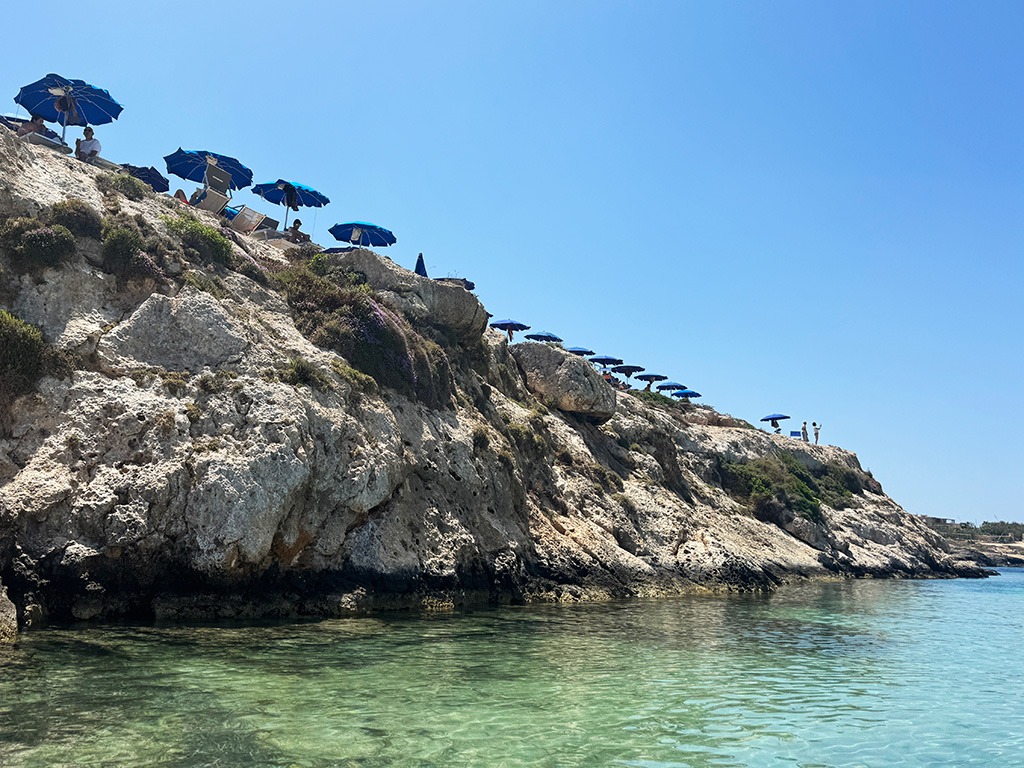
A beach day at Cala Madonna is an elevated experience, high up on the rocks overlooking the bay below
While many locations in Lampedusa feature beds on sea adjacent rocks in this manner, Cala Madonna is the only place I’ve found that has taken the effort to add dedicated platforms for loungers, enhancing comfort. While this might sound like a small detail, if you’ve ever tried to set up a chair or a sun bed on an uneven, rocky surface, you’ll know it can be frustrating.
Located around 30 minutes from the center of Lampedusa town on foot, or 10 minutes by the blue bus line (stop 5), getting here is straightforward. You’ll also find plenty of parking if you are driving here, adjacent to the restaurant/bar, which, incidentally I thoroughly recommend for an informal lunch and/or aperitivo.
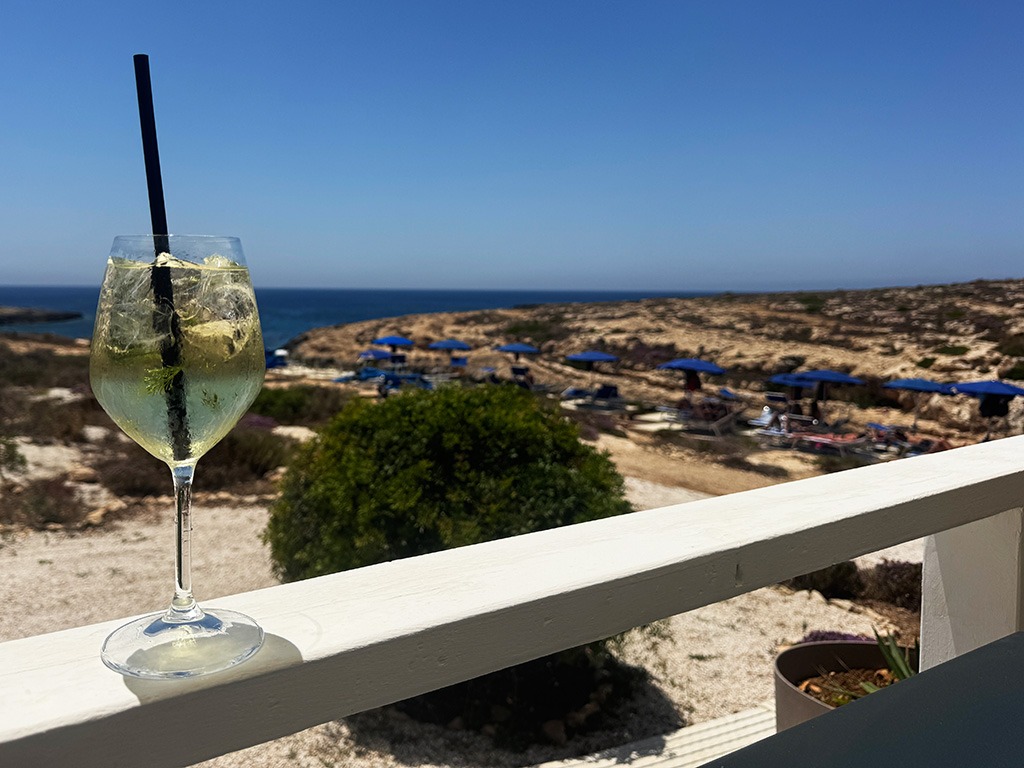
Cin cin!
For a complete rundown of the island’s famous beaches with thorough details on what to expect at each in terms of facilities, plus insights into what makes each special in my experience, take a look at this detailed guide:
Boat Tours and rentals (including dolphin watching)
Beyond the island’s famous beaches, the next most popular thing to do is to set out on the water. During the summer season which starts around mid-May and runs until the middle of October, you’ll find no shortage of boat excursions on offer. You’ll also find plenty of choice for self charters/boat rental. Let’s take a look at each of these activity options:
Boat Tours in Lampedusa
In both of the island’s ports, Porto Nuovo (New Port) and Porto Vecchio (Old Port), there are near-countless skippers and operators offering trips out on the water, referred to locally as a “gita in barca“. For the most part, these fall into two types of excursion:
All day tours
These trips normally depart around 10am and return to port at 5pm. Through the course of the day, you’ll circumnavigate the entirety of Lampedusa, visiting the island’s many natural beauty spots, including the famous Tabaccara – a spot where the water is so clear that boats appear to fly on the surface.
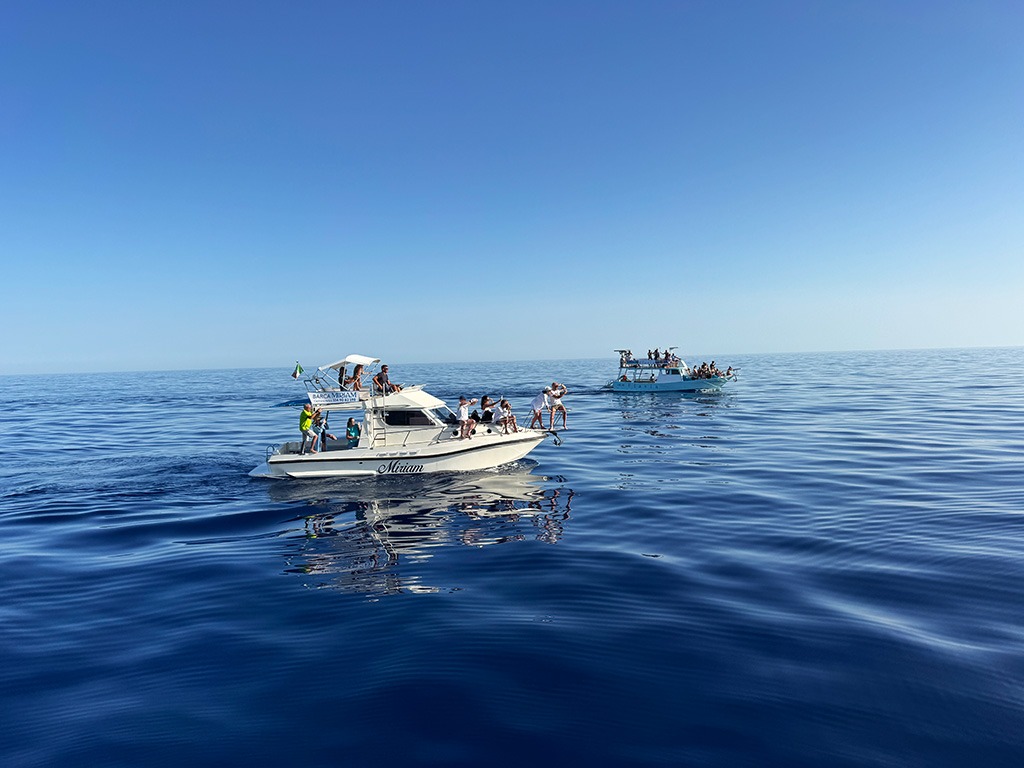
These full-day boat tours are a popular way to explore Lampedusa’s coastline and hidden coves, often including swimming stops and a seafood lunch.
Evening/sunset excursions:
Once captains reach Lampedusa port at 5pm at the end of their day tours, they get to work cleaning their boats ready for a second gita in barca. These shorter experiences, which leave around 5:45pm and return post-sunset, are my preferred boat tour option on Lampedusa. Unfortunately, where I suffer a little from sea sickness, spending a whole day at sea doesn’t agree with me.
However, another reason I prefer these evening experiences is the fact that most feature dolphin spotting during the first hour or so of the trip, as these animals surface during the dwindling light looking for food.
Seeing these animals in the wild is truly magical, and I don’t mind admitting that the first time I went on one of these tours in Lampedusa, I was a little emotional at the majesty of seeing a two separate pairs of dolphins in their natural ocean habitat.
Watch this short clip from that tour where the dolphins briefly surface, before diving under our boat, clearly visible in the crystalline waters of Lampedusa’s coastline (13 seconds in)
These evening tours tend to include aperitivo drinks and snacks, enjoyed before your skipper positions the boat to watch the sunset over the Mediterranean Sea and Lampedusa’s breathtaking coastal cliffs.
In all cases, there are varying options for boat/group size for these pre-planned charters. You’ll find larger boats for shared, group experiences such as Lampedusa’s iconic pirate ship, down to smaller vessels for private experiences that offer more freedom and flexibility. Take a look at the various options here on GetYourGuide, my preferred platform for booking any Italy travel experiences in advance.
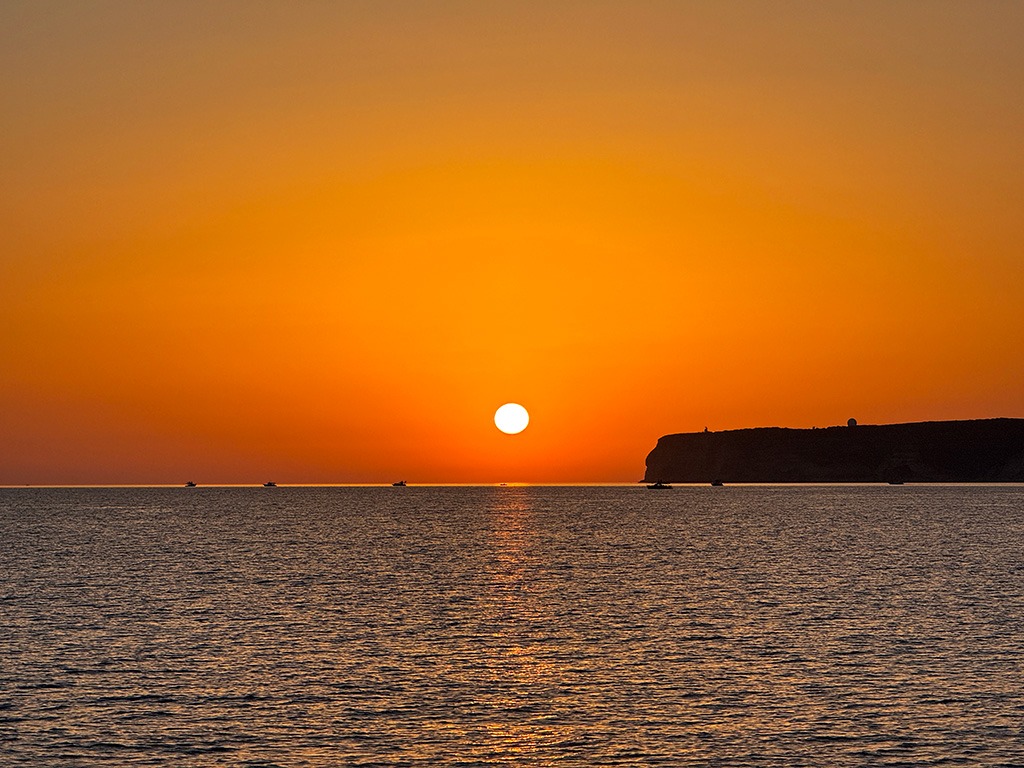
Joining an evening boat tour is one of the best ways to see one Lampedusa’s famous sunsets with interrupted views
Boat hire in Lampedusa
If you’d prefer to hire your own boat to have the freedom to explore, stop, and swim at your own pace, the best place to do so is from the Porto Nuovo (New Port). Here, there are numerous operators offering a range of boats for daily hire.
I’d recommend taking a slow walk along the marina to see which boat catches your eye, and then having a chat with the rental teams to agree on the best price for your hire. Note that the fuel stop (needed for when you return to port at the end of your hire) in the Porto Nuovo marina is located at Via Alessandro Volta 16.
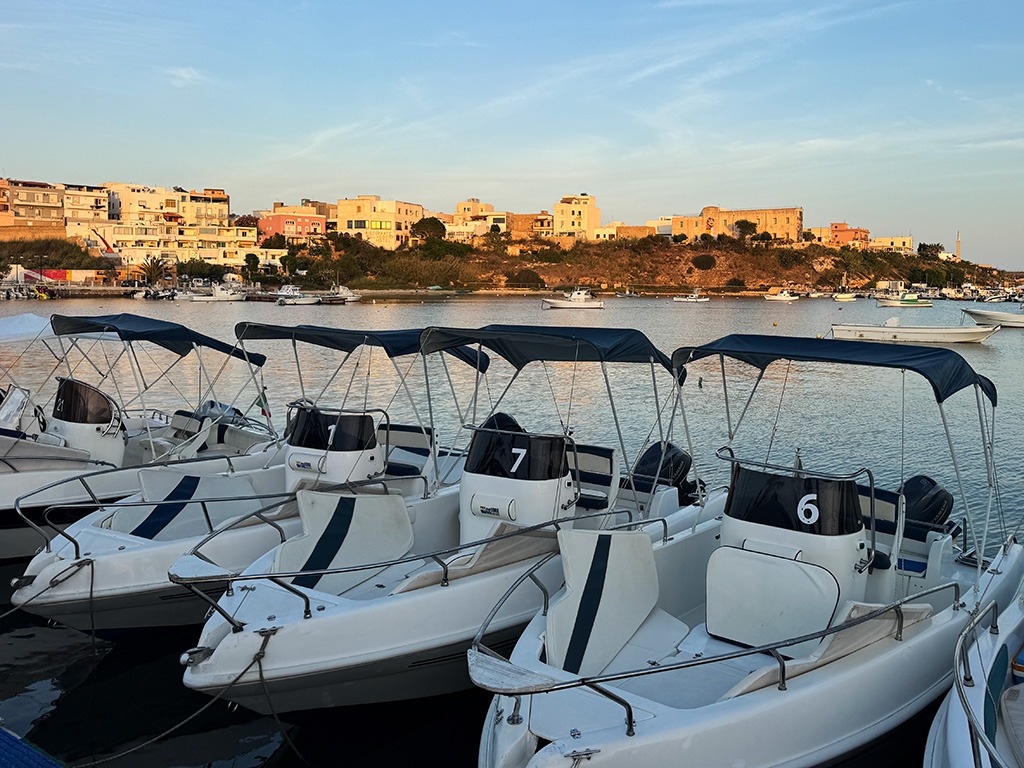
You won’t struggle to find a boat for hire in Lampedusa but the sooner you arrive in the marina in the morning, more choice you’ll have
Boat trips to Linosa or Lampione
A handful of operators offer excursions to the smaller islands of the Pelagie Archipelago, Linosa and Lampione. In the case of Lampione, these are for experienced divers, and for Linosa, for those wanting to explore the island’s volcanic environment. These boats tend to be based in the old part (Porto Vecchio) and typically can only be organised in person as they depend on certain logistics which are difficult to coordinate online.
Nature in Lampedusa – Snorkelling, Diving, and Hiking
Sticking with the theme of outdoor activities, a major draw for visitors coming to Lampedusa is the island’s largely untamed nature and environment, both on land and at sea. Now let me share with you a couple of further nature focused activities on Lampedusa:
Snorkelling and Diving
Lampedusa is renowned for its excellent snorkelling and diving as the island’s clear water and unique geological makeup mean that getting out and exploring underwater is not only straightforward, but rewarding for those who make the effort.
Nearly all of Lampedusa’s beaches offer easy access to the water for casual snorkelling. Because most are located in coves where the sea level gradually descends, swimming among the rocks and spotting the shallow dwelling fauna that live here is very easy and safe.
One of the top spots on the island for this is Cala Creta, where the bay sits on the eastern side of the island around 2km from the center of Lampedusa town (25 minutes walking, 10 minutes drive) and is subject to dramatic erosions during the stormy winters. This means the underwater landscape is extremely varied and draws wildlife from across the wider area, attracted by the abundant plant life that flourishes here.
For those who prefer to go deeper in their aquatic explorations, nearby Mare Morto (just a 15 minute walk or 5 minute drive along the east coast of the island from Cala Creta) is good starting point for diving. Divers revere this part of Lampedusa for the same reasons mentioned above, and for the fact that the wider bay becomes relatively deep where it meets the open sea.
Beyond the immediate coastline, divers are drawn to the deeper waters that surround the island, as well as those off the coast of the neighbouring islands of Linosa and Lampione. The latter in particular is a popular diving spot, as the island is uninhabited and therefore the environment is completely untouched by human influence. Getting to Lampione means either hiring a skipper from the marina at the old port (Porto Vecchio) or chartering your own boat from the new port (Porto Nuovo).
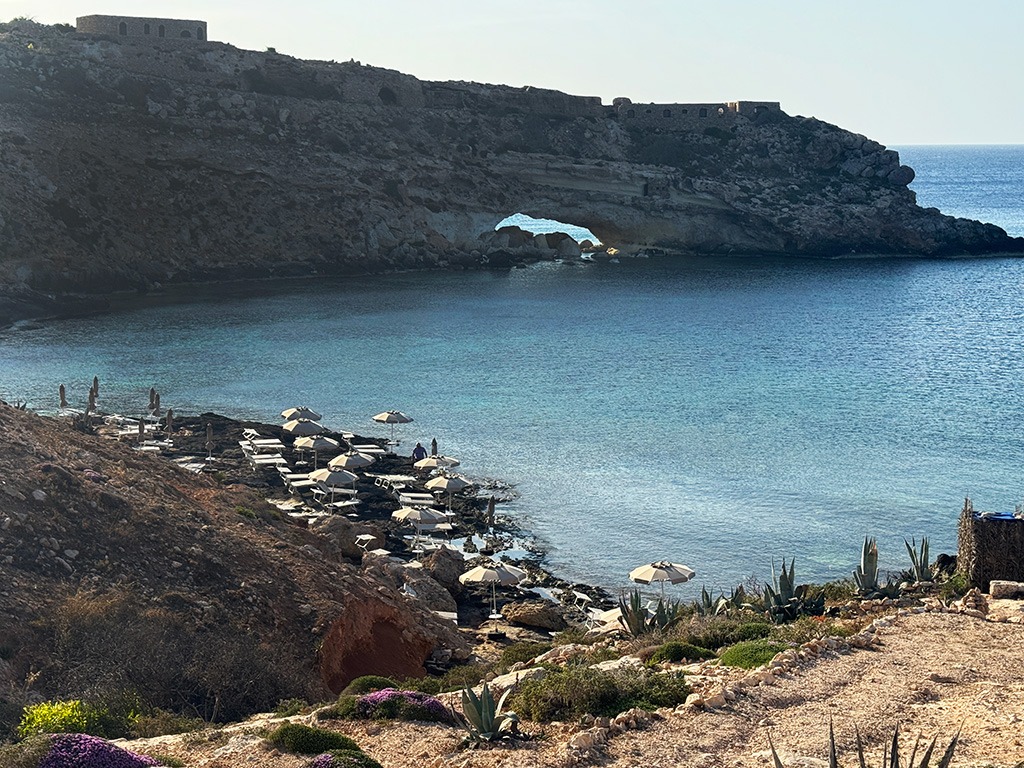
The dramatic coastline on this side of the island is a magnet for those who love spending their time exploring the water
Hiking and trekking on Lampedusa
When I’m vacationing in Lampedusa if I’m not at the beach, there’s a strong chance that you’ll find me out in the countryside of the island, hiking between viewpoints and remote landmarks. As the island is mostly flat, with exceptions being for the paths that lead down to some of the more remote tiny beaches and coves, trekking on Lampedusa is not advanced but there are some important things to consider:
- There are only two bus services on the island that cover the two sides of the island respectively. In the event you reach your destination and decide you wish to travel back to the town via bus, ensure you have familiarised yourself with the stops and timetable. Be sure also to have a small amount of euro cash/change on you to pay for a ticket as card payments are not accepted on Lampedusa’s buses.
- Beyond the main town and major beaches you will not find many spots to grab food and drink, so come prepared for any longer treks with plenty of snacks and water.
- Lampedusa’s climate and landscape is North African, not Mediterranean, meaning that the sun is much more intense here (higher UV index) and the landscape much drier and desertlike. This means that a good hat and practical, hardwearing shoes are an absolute must for hiking on Lampedusa.
In the absence of mountains and large parks, you won’t find any signposted walks on the island, so instead you’ll need to plan your own route or join a trekking excursion. For self guided paths, two of my favourite points of interest to hike to and from are:
The ‘Greek Lighthouse’ in the northeast of the island
Taking the roads out of Lampedusa town following the signage initially for the airport, head northeast along the coast, passing Cala Pisana, the so-called House of Spirits (a purportedly haunted ruin), and one of my favourite spots on the entire island, the tiny village of Cala Creta. I love this little hamlet for its North African styling, with bright white walls that contrast against the burnt stone and blue seas of the coastline.
Continue to the lighthouse passing Mare Morto with its iconic natural sea arch (pictured previously in the section about snorkelling/diving), before reaching the headland. Take a pause on the oversized bench facing north to appreciate the panoramic view of the endless sea. A round trip at an average pace, allowing for breaks, will take most people 2–3 hours.
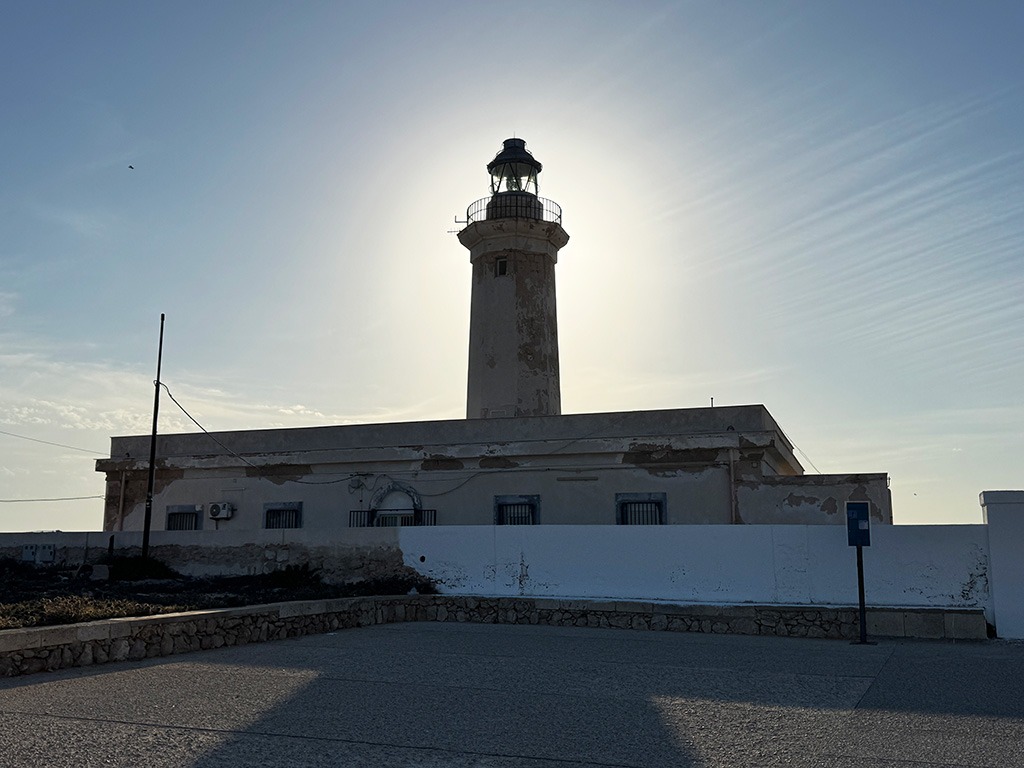
This landmark sits proudly on Lampedusa’s most eastern headland and is visible from much of the island
Albero Sole on the island’s north coast (and the highest point on Lampedusa)
There are two approaches to this walk. The first takes you along the coastal paths worn by other hikers, and the second via the Strada Potente, which is more direct along one of the island’s main roads. The coastal route will take you past some of the island’s famous beaches, such as Cala Croce, Cala Greca and my favourite at Cala Madonna (where I recommend pausing for a break at the bar/cafe here), and adds around 2 hours each way to your journey.
On arrival at Albero Sole, Lampedusa’s highest point at 133m above sea level, you can appreciate a view of the smallest Pelagie island, Lampione, in the distance to the northwest. Note that the blue line bus ends here, going back to Lampedusa town center. If you’re feeling the burn after trekking here via either route, avoid walking back and take the bus. This is especially recommended during the summer when this part of the island is extremely exposed and the sun unforgiving.
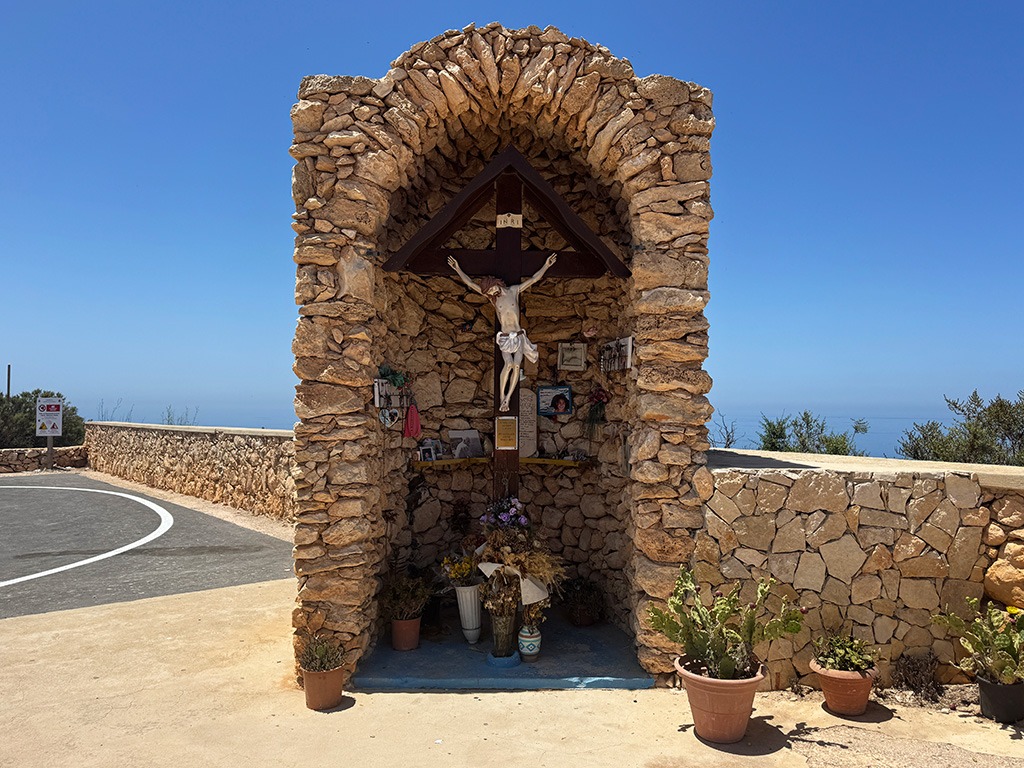
There is also this small, crucifix with tributes to passed locals from loved ones, which I feel is a touching marker for the island’s highest point
For History and Culture
Lampedusa’s historical and cultural sights are almost entirely focused around the town center, which is the spot where the original modern settlement of the island took place in 1843.
By following the course of Via Roma, the town’s main thoroughfare, the following sites can be visited. Why not combine this short itinerary with stops at some of the bars/restaurants along the street, sampling some of the island’s authentic plates and recipes? I share further into this guide some tips for foodies (click here to jump to this section now) but in the meantime, here is a short cultural/historical route through Lampedusa town:
Church of San Gerlando (Chiesa Madre)
Situated at the top of Via Roma at the furthest end from the terrace that overlooks the port, you’ll find the island’s main church.
Dedicated to San Gerlando, the church was originally built in the mid-20th century but completely reconstructed in the late 1990s. While it features a simple, single-nave design inside, it houses an important piece of modern Italian and Catholic history: a massive crucifix dominating the altar called the Milagro (Miracle) gifted to the people of Lampedusa by Pope Francis in in 2016 to commemorate his 2013 visit to the island.
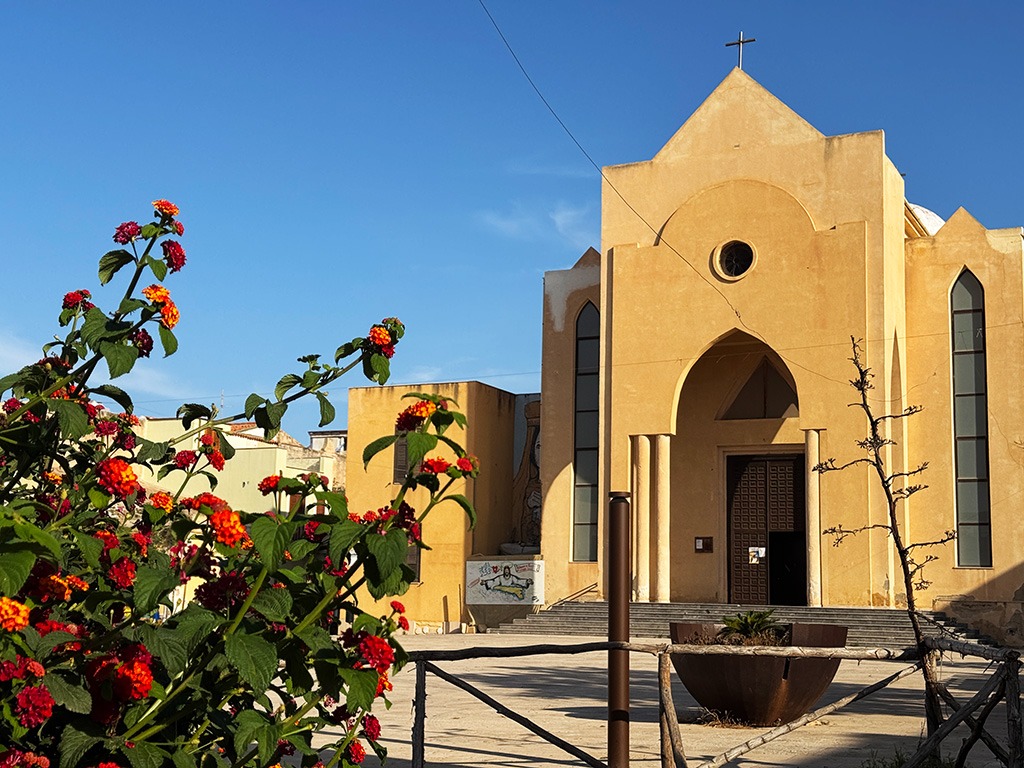
This simple church on Via Roma is the heart and soul of Lampedusa and worth stopping by for those interested in getting to know the island better
Piazza della Libertà (Cassodoro Obelisk)
At the intersection of Via Roma and Via Vittorio Emanuele, you’ll find this small square ringed by bars and restaurants. Beyond the historic architecture, the square’s defining feature is “Cassodoro,” a striking bronze obelisk erected in 1988 by the famous contemporary sculptor Arnaldo Pomodoro. The artist beautifully captured its essence in his own words:
“This sculpture designed for Lampedusa’s square is both a monument to the fallen of all wars and a tribute to the resilience of life. I wanted to embed within the obelisk the presence of stones and sailors’ ropes, the risks and debris of the sea, and the extreme experiences of the fishermen.”
For anyone who has visited the Vatican, the style may appear familiar; the artist’s work is also found in the Pinacoteca courtyard in the Vatican Museums.
Archeological Museum of the Pelagie Islands (Museo Archeologico delle Isole Pelagie)
As you approach the end of Via Roma, you’ll find Lampedusa’s museum, which houses a small but thoughtfully curated exhibit about the island’s history and the past of the other Pelagie islands.
The ground floor houses archaeological finds from the island’s ancient past, including those found underwater in Roman shipwrecks. Following the small collection will guide you through the islands’ role during antiquity as trading stopovers and waypoints for merchants crossing the Mediterranean.
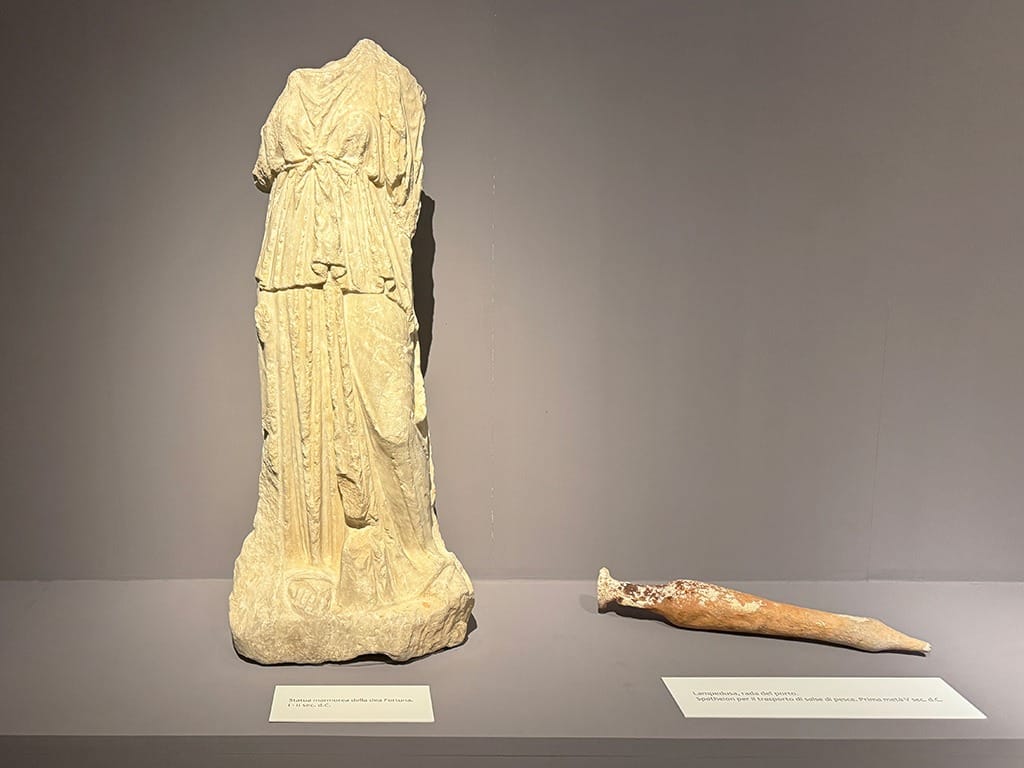
Much of the museum’s collection on the ground floor showcases well preserved finds from ancient shipwrecks
Upstairs, you’ll find a thought provoking and powerful exhibit about Lampedusa’s modern history as an arrival point for migrants and refugees crossing from North Africa to Europe. The exhibits contain personal items of those who made the dangerous sea crossing, with emotional tributes to those who died in their attempt to reach Italy.
A focal point of this museum are the items used by Pope Francis during his visit to Lampedusa in 2013, his first trip out of Rome after being elected. Francis chose Lampedusa for this honour, where he was personally moved by the suffering of those people fleeing their home countries in search of a better life in Europe.
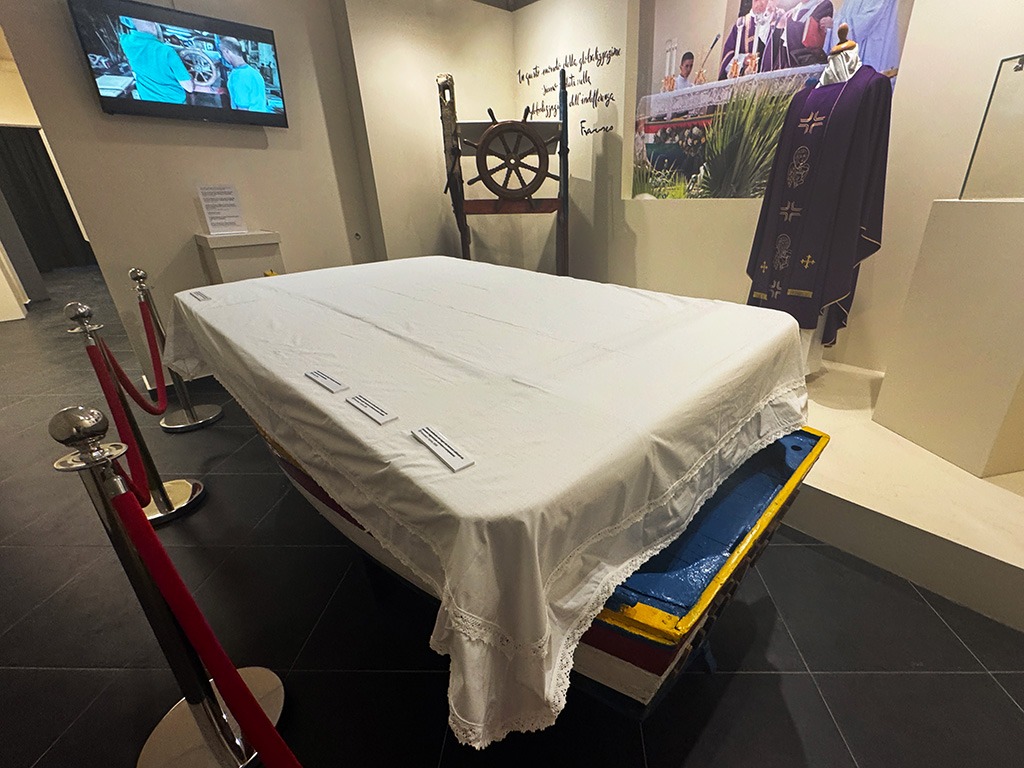
The altar on display in the museum now was used by the Pope, and created by local carpenters from the remnants of a migrant vessel that sank en route to Lampedusa
This museum features at the end of this itinerary as it opens at 8pm, making it a good way to end an afternoon exploring Lampedusa’s history and culture before dinner. The museum is officially free to enter with a “pay what you feel” approach to donations. If you visit this museum and agree with me that this is a well presented and informative site, please consider giving 15€-20€ per person – the same as any good museum in Rome, Florence, or Naples. Doing so ensures that the museum can remain open and continue to promote and preserve the cultural legacy of the Pelagie islands.
Porta d’Europa (Gate of Europe)
If time permits and you’re interested in appreciating Lampedusa’s modern history further, take a short walk (around 15 minutes) beyond the main town to the Porta d’Europa memorial.
This monument was inaugurated in 2008 in memory to the people crossing from North Africa who lost their lives migrating to Europe. Located on Lampedusa’s, and Italy’s most southern point, this simple but powerful sculpture is a humbling reminder of the fragility of life and a thought-provoking tribute to those in search of a better life.
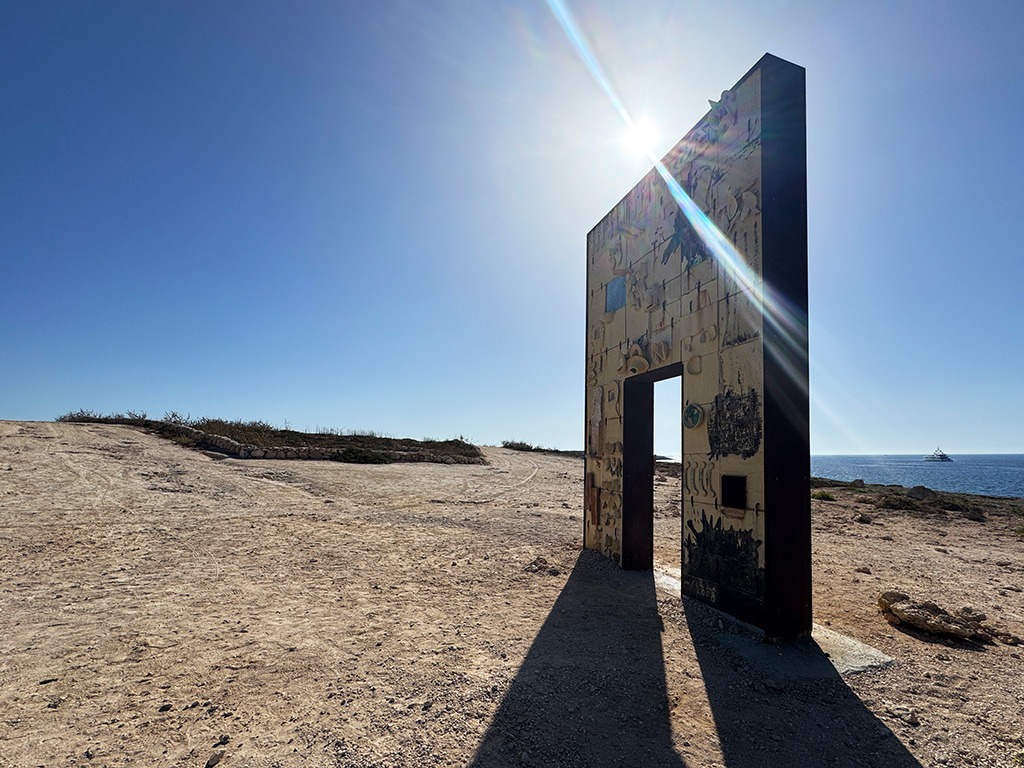
I always make a point to visit this spot when in Lampedusa to take a moment and appreciate my fortunate lot in life
For Food and Drink
I talk at length about eating and drinking on Lampedusa in this detailed guide, but as a headline, foodies and wine lovers will not have a hard time enjoying themselves here.
The island’s dining scene is concentrated in the town center (Via Roma) and near the port, where you can find a variety of restaurants serving local seafood, pasta, and traditional Sicilian dishes.
The island’s cuisine, a pared-back version of Sicily’s famously rich and indulgent food scene, heavily influenced by its Mediterranean location, with fish couscous being a notable local specialty that reflects the island’s diverse cultural heritage between Italy and Tunisa.
A self-guided food tour can easily be combined with a visit to the island’s top historical and cultural sites that I shared in the last section to create a perfect one day itinerary for Lampedusa:
For Breakfast
For an authentic start to a day in Sicily, you need to eat granita with a brioche bun. If you’re unfamiliar, granita is a blend of natural ingredients (most often citrus fruits or nuts) and ice. While the bread is not necessary, I will always have one to enjoy how the sweetness of the granita and dough complement each other.
Voscenza on Via Roma features the biggest array of granita flavours I’ve found on the island; order whatever appeals the most (I usually go for almond and/or pistachio), grab a table outside, and sit back and enjoy as the island wakes up.
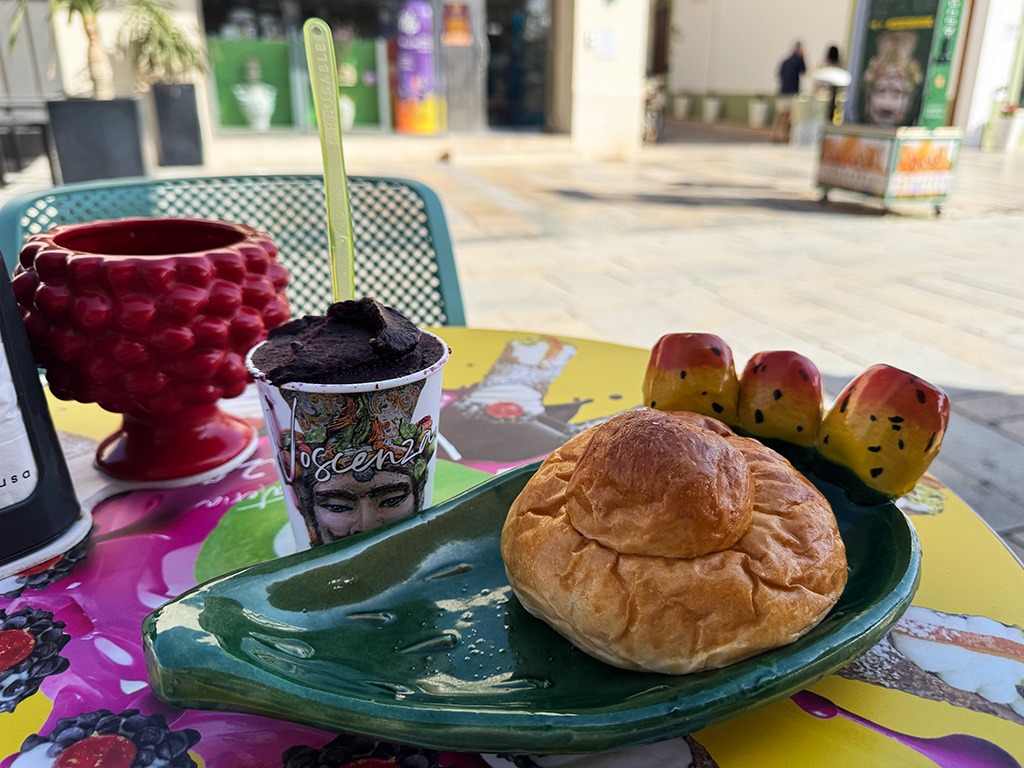
I’m a sucker for the traditional ceramics and decor at Voscenza, but importantly, for the delicious granita and brioche
For Lunch
Caffe Cristal, located halfway along Via Roma, is one of my go-to lunch stops in Lampedusa town. Their range of light snacks and traditional Sicilian street foods is second to none. Personally, I love their panelle sandwiches; a simple bun with chickpea fritters, often bulked out with some crocchè potatoes. Enjoy at one of their tables, or grab and go if you’re planning to be on the move in the afternoon.
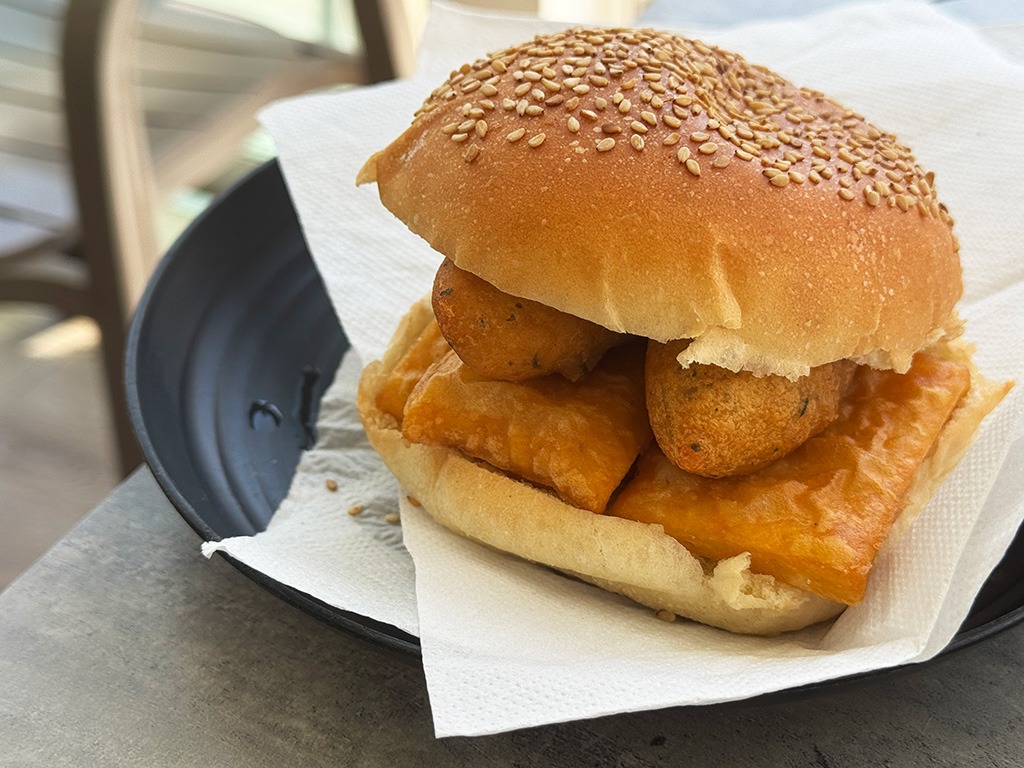
Some times the simplest things are the most delicious
For Aperitivo
La Gassa d’Amante: Overlooking Lampedusa’s old port and just a few minutes’ walk from the Porta d’Europa memorial, this kiosk offers spritzes and aperitivo snacks with one of the best sunset views on the island.
Getting here takes around 15 minutes from the town center, and is also a great option for a pre-dinner drink if you like to spend the day at the nearby beaches at Cala Maluk or Cala Francese.
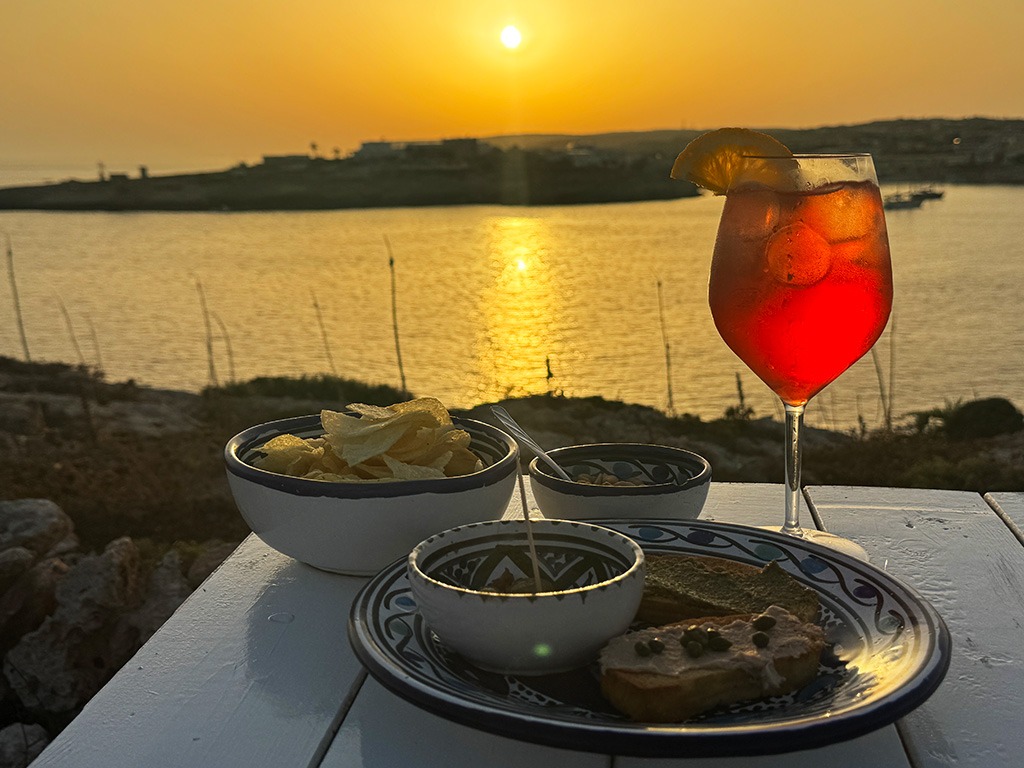
Getting here is a little walk out of the main town, but worth it for these sunset views
For Dinner
Back on Via Roma and just a few steps from the archaeological museum, this is the restaurant I’ve eaten at most on the island. Trattoria Azzurra is open all year round and their menu features some of the island’s famous local dishes, such as fish soup, cous cous and pasta with seabass and lemon.
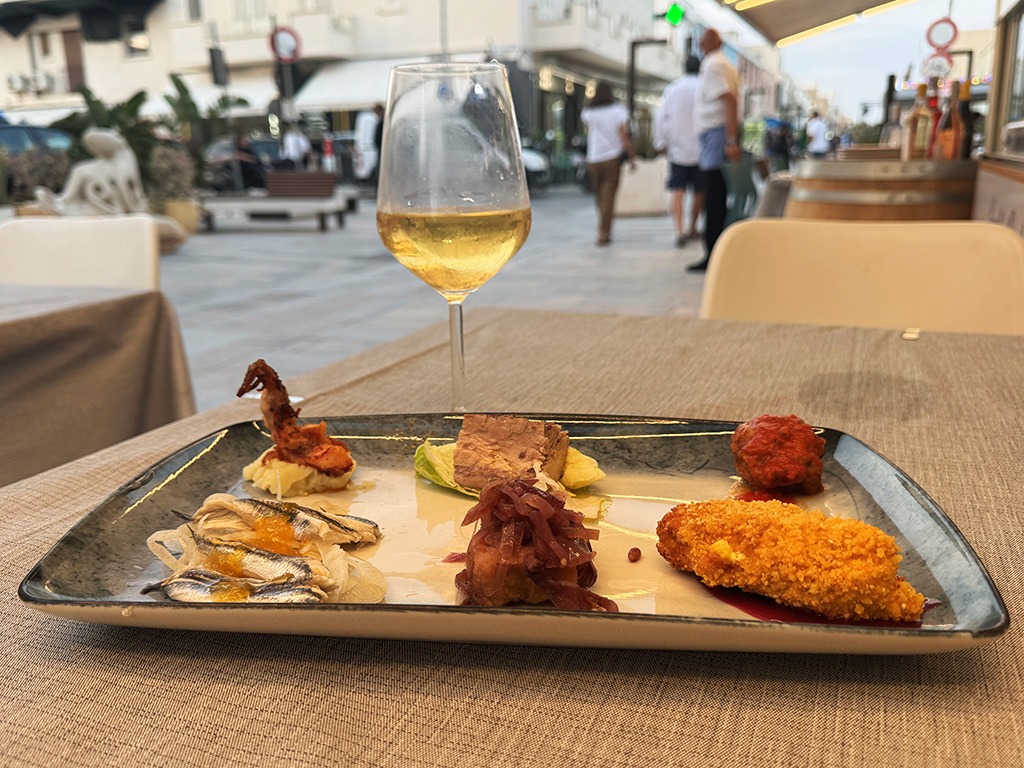
Unsure where to start with Azzurra’s menu? Go for the mix antipasti platter which features a range of traditional foods from Lampedusa
After Dinner:
If you still have space for more and want to round off this foodie journey through Lampedusa, here are two post-dinner spots back on Via Roma:
- O’Scià Gelateria: This is my go-to place for granita or gelato in the evenings. While the selection of flavours is not huge, the quality of their granita and gelato is second to none. They use the best local and Sicilian ingredients and have a constant rotation of flavours, giving you a great excuse to go back repeatedly.
- A’Putia Wine Bar: This buzzing bar at the intersection of Via Roma and Via Vittorio Emanuele is the island’s top enoteca, with a wine list to rival even the best bars in Naples or Milan. I will often wrap up an evening in Lampedusa here, enjoying a glass of passito from Sicily.
For a complete overview of where and what to eat and drink on Lampedusa, take a look at this guide:
Shopping on Lampedusa
Lampedusa might not be a retail mecca like Rome or Milan, but that doesn’t mean you won’t find great stores here selling a balanced mix of local produce, island-produced crafts and high-quality clothing items.
Many of the island’s top stores are located on, or very close to, Via Roma in the heart of the main town. There aren’t any large branded shops here, but instead small, independently run boutiques that focus on quality over quantity.
Whenever I am on Lampedusa, there are two shops that I find myself returning to time after time, these make great places to pick up gifts and souvenirs:
Spugnificio Giovannino
The water around Lampedusa is known for producing some of the world’s highest quality natural sponges, which are retrieved and exported around the world at a premium. However, this store close to the museum on Via Roma is as close as you get to the source without actually diving yourself.
It has now become a ritual for me that when I arrive in Lampedusa. I’ll come here and buy a small sponge to use when showering at my hotel during my trip. The natural cleaning properties of these sponges will leave you feeling refreshed, unlike any synthetic loofah can.
The owner, Calogero, has been here for decades, taking over from his father who would personally dive to collect sponges off the coast, now dying art in Italy, but one that remains alive through this small store and a handful of other vendors on the island. Beyond being an excellent way of keeping clean when travelling here, these sponges make a fun and unusual gift for someone on your return home – just ask Sara!
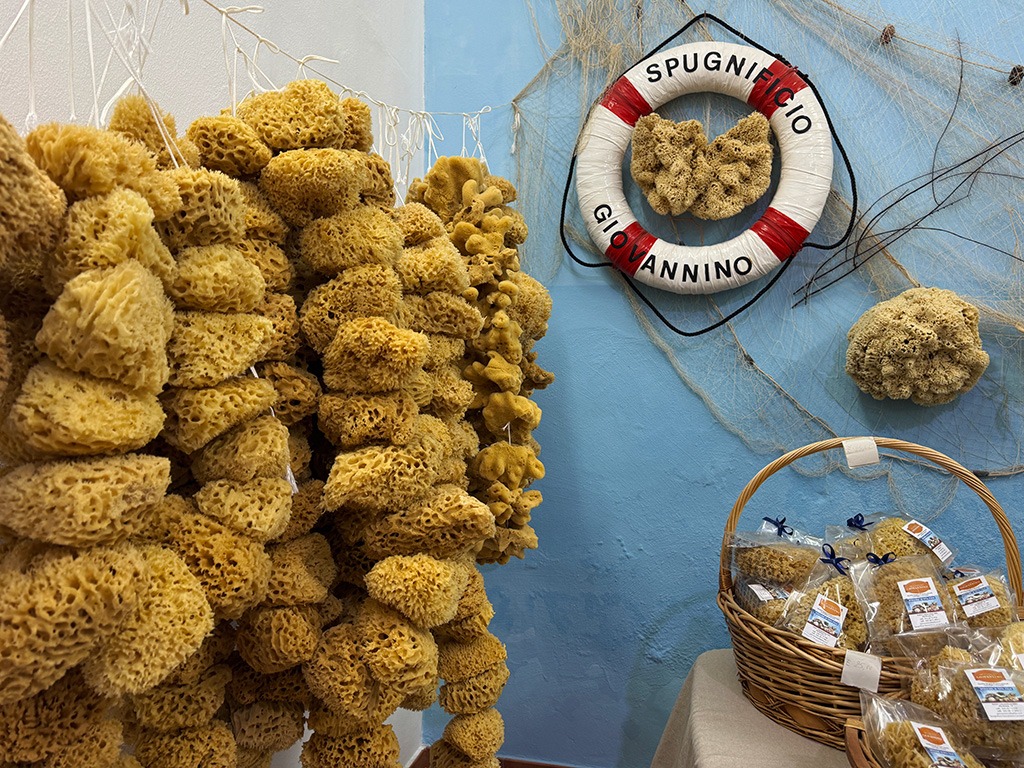
Someone once described these as the Ferrari of sponges to me – you’ll be inclined to agree if you buy one and use it after a day at the beach
Rosangela Sirio
Look around in most of the hotels, restaurants, other stores, and even the town’s museum, and you’ll spot sculptures made from the island’s distinct cream coloured stone. These sculptures all originated from the workshop of Rosangela Sirio, who have been producing these works of art, as well as household items, from Lampedusan stone since 1998.
When I discovered this store and made the connection with the items I had seen around the island, I couldn’t resist buying a small turtle sculpture that now resides in our apartment in Rome.
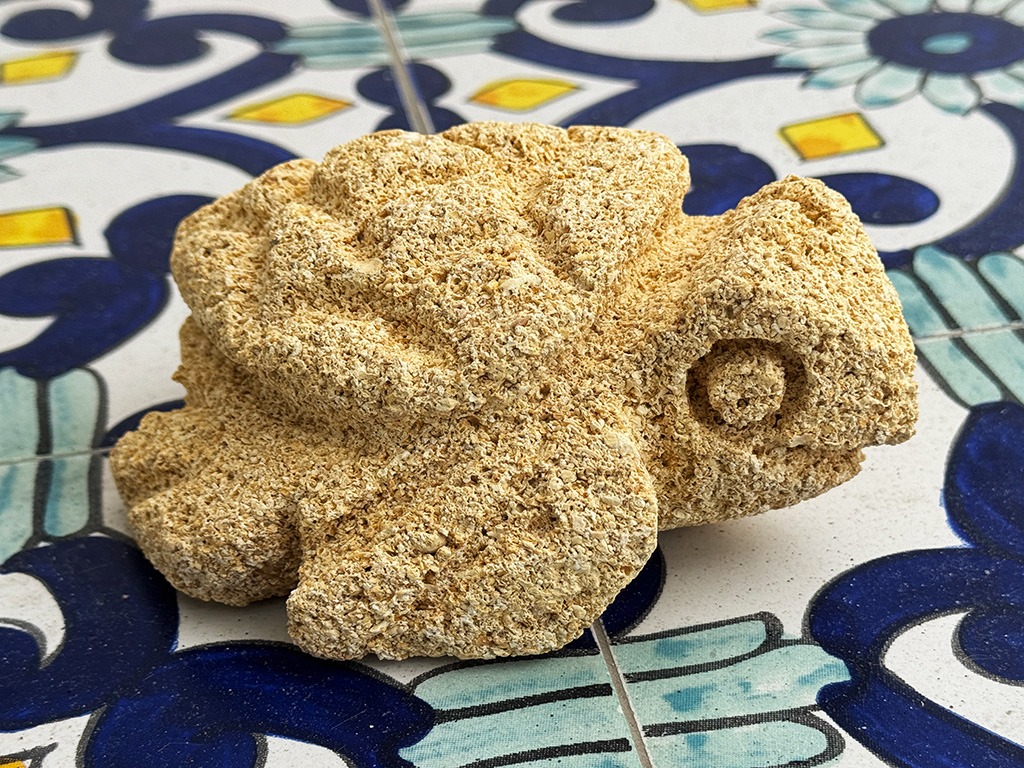
I’d have bought a bigger version if I could have fit it in my suitcase – I’ll just have to return to Rosangela Sirio on a future trip to Lampedusa
If you are looking for clothes and jewellery while on the island, I recommend stopping in as many of the small shops along Via Roma, and on the side streets as you have time for. These stores routinely update and rotate their stock, meaning no store has ever had the same stuff when I have visited on repeat trips to the island.
You’ll also find a small selection of simple shops at the airport (landside). Don’t let looks deceive you: these shops may not look like anything special, but like the stores in town, quality is the focus over anything else.
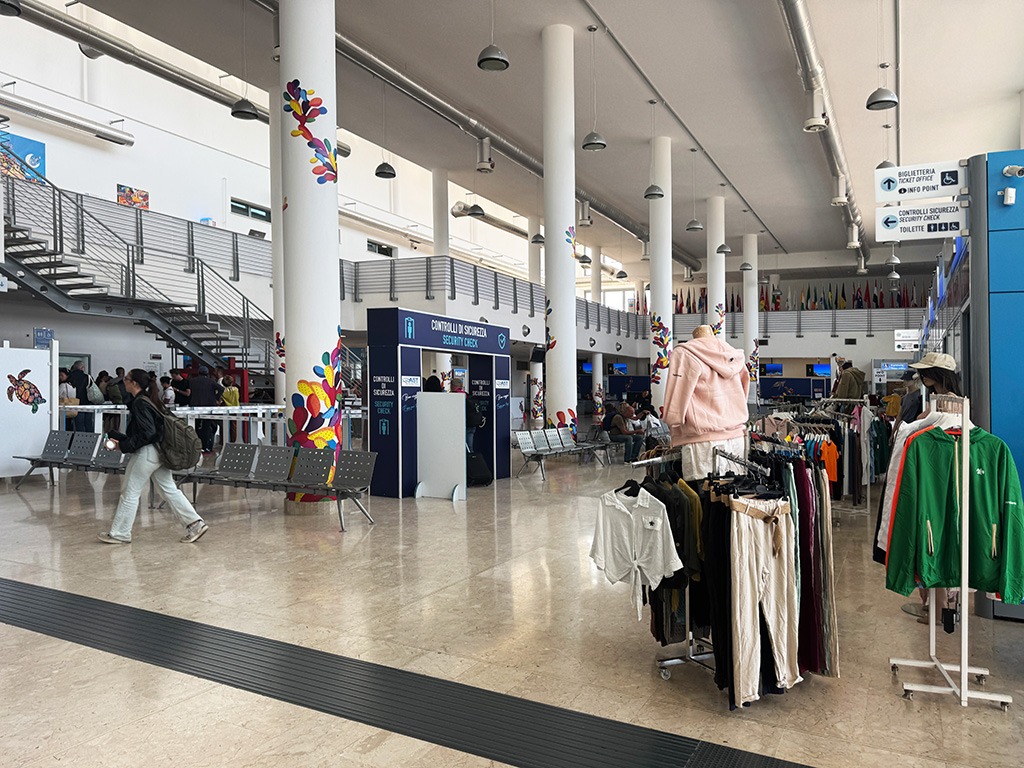
One of my favourite linen shirts is from Lampedusa airport, and I will routinely pick up some fresh capers on my way home from the food stall to enjoy in salads back home in Rome
Bonus: Day Trip to Linosa
If you’re looking to explore this part of what Italy has to offer while in Lampedusa, why not take a day trip to Linosa, Lampedusa’s sister island. It’s smaller and quieter, plus it’s accessible by daily ferries from Lampedusa.
The island of Linosa is located roughly 50km northeast from Lampedusa, and during the summer, ferries run daily and the fastest options operated by Liberty Lines, take around an hour to reach Linosa from Lampedusa. Beyond ferries can also be reached by private boat charter, or on a guided excursion from Lampedusa.
Linosa is a natural haven, created by three now extinct volcanoes, and has only been inhabited permanently since the late 1800s. This means the human impact on the island has been minimal, offering visitors the opportunity to hike on the extinct volcanoes, dive in the clearest waters in Europe, and relax on 100% natural, black sand beaches.
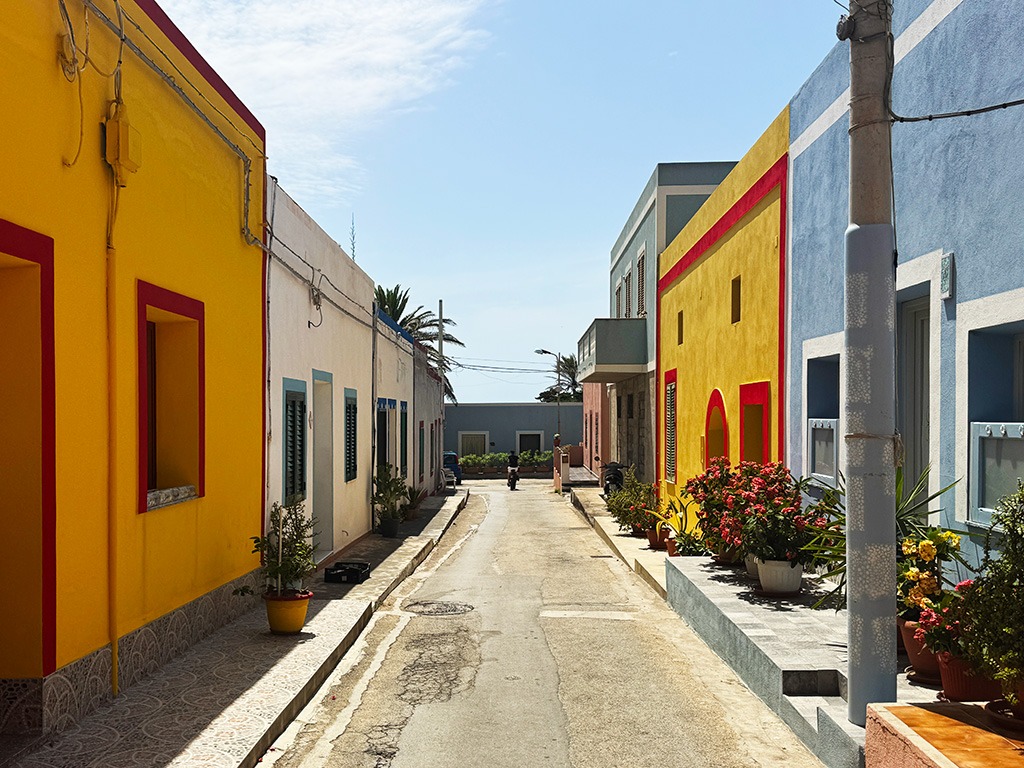
Photographers will love the iconic coloured houses of Linosa
The perfect day in Linosa, in my experience, starts by arriving mid to late morning, taking the first fast ferry from Lampedusa. On arrival, I’ll grab supplies and a quick coffee at one of the bars in the port, before hiking to the top of the island’s highest point, Monte Vulcano, which is just under 200m.
This trek takes around 1.5 hours and the reward is panoramic views of the island (and across to Lampedusa on clear days), as well as a unique perspective into the ancient crater of this volcano.
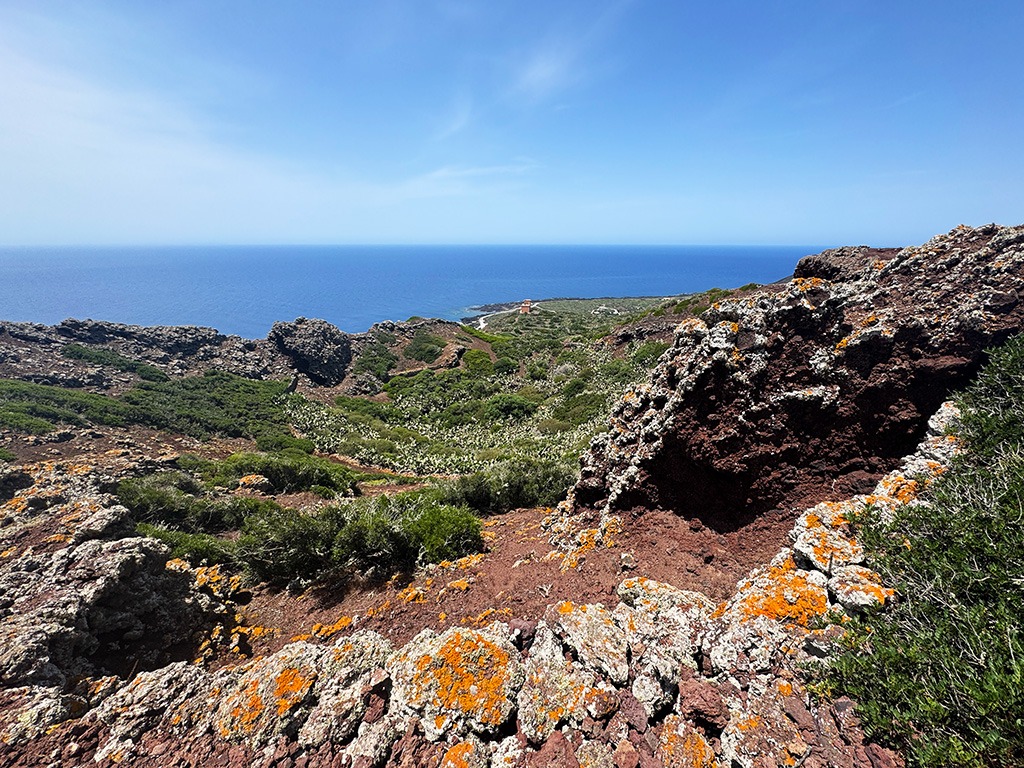
It’s not often that you can hike to and then peer down in to the crater of volcano, extinct or not
Returning to Linosa town, you should be right on time for lunch. My personal favourite place to eat on the island is La Loggia, where the seasonal and ever changing menu is only enhanced by the welcoming and homely service.
Post lunch, make your way to Linosa’s distinct black sand beaches to relax, swim/snorkel in the crystal clear water, and further appreciate the island’s unspoiled nature. My favourite stretch is east of the port, around 20 minutes’ walk along the rugged coastline. Note that you won’t find sun beds and umbrellas for rental on these beaches, or any amenities in the immediate vicinity; bring a towel and plenty of water if you plan on spending the whole afternoon here!
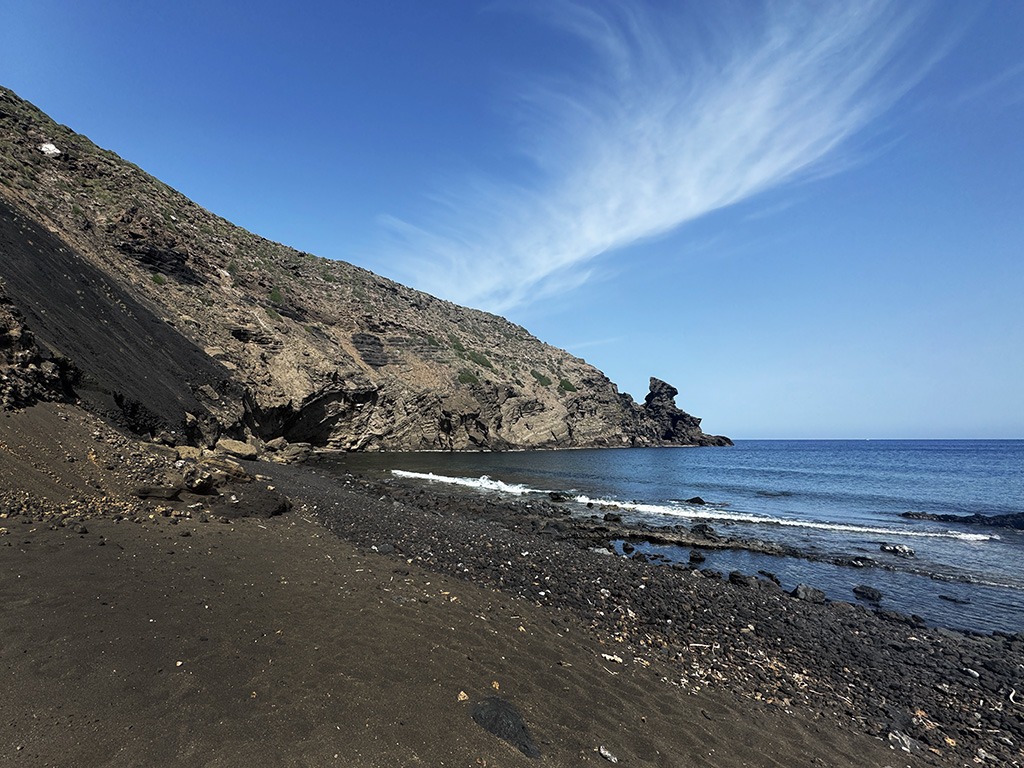
Linosa is one of Italy’s most remote spots, but for those who venture here, you’ll be rewarded with truly undisturbed nature
Alternatively, you could hike the island’s other peaks, Monte Rosso and Monte Nero, each taking around an hour, or join a boat tour. Round off your day with a granita or aperitivo (or both) back in the port, before returning to Lampedusa. For more details about visiting Linosa take a look my dedicated guide to the island here:
To sum up
Hopefully, this guide has shown you, contrary to the island’s small size and semi-remote location, that there is no shortage of things to see and experiences to enjoy on Lampedusa. If you have any follow-up questions about what to do on Lampedusa, or beyond in Sicily, contact me here.