Published:
January 29, 2026
Last updated:
October 22, 2026
Are you planning a trip to Italy but unsure where to stay? I’ve been exploring this country since 2013, have lived here since 2019, and in 2025 completed a goal of travelling to, and staying in, all of 20 of Italy’s regions. Let me share my recommendations with you for the best places to stay in Italy, based on my own direct experiences from across the years.
Use my extensive experience of travelling in Italy to find the right base for your trip here
Real recommendations, based on personal experience
Deciding the best place to stay for your Italy trip is not easy if you haven’t been here previously, or are unsure on what you want to do when you are here. This guide breaks down the best options for you, providing three options for different trip types, travel styles and interests.
All recommendations included are based on my own travels through Italy, and while you will find some of the country’s most famous locations included in this guide, I’ve also included my personal favourites that go beyond the obvious. I encourage you to consider these lesser-visited areas and cities, where you can escape the crowds and discover a more authentic Italy.
Let me share with you:
- My top place to stay in Italy
- The best places for a city break
- Where to stay for history, art and culture
- Where foodies should stay
- The best locations for wine lovers
- The best areas to explore Catholic history and religion
- Best options for being close to the water
- Where to stay to explore nature
- Family-friendly destinations
- Budget travel destinations
- Luxury Italy travel
My favourite place to stay in Italy
Jumping straight in, my all time favourite place to stay in Italy is Sorrento, Campania. I first visited here in 2014, and have been back nearly every year (with the exception of during COVID).
Sorrento combines all elements of Italian culture and offers something for everyone; you’ll find fascinating history here, delicious food and drink and stunning natural beauty. It’s also a great location to explore the wider Campania region, including Naples, Pompeii and the Amalfi Coast via day trips.
In the main town and surrounding area, you’ll find accommodation options for all travel styles and budgets, great restaurants, and stunning views of my favourite part of Italy.
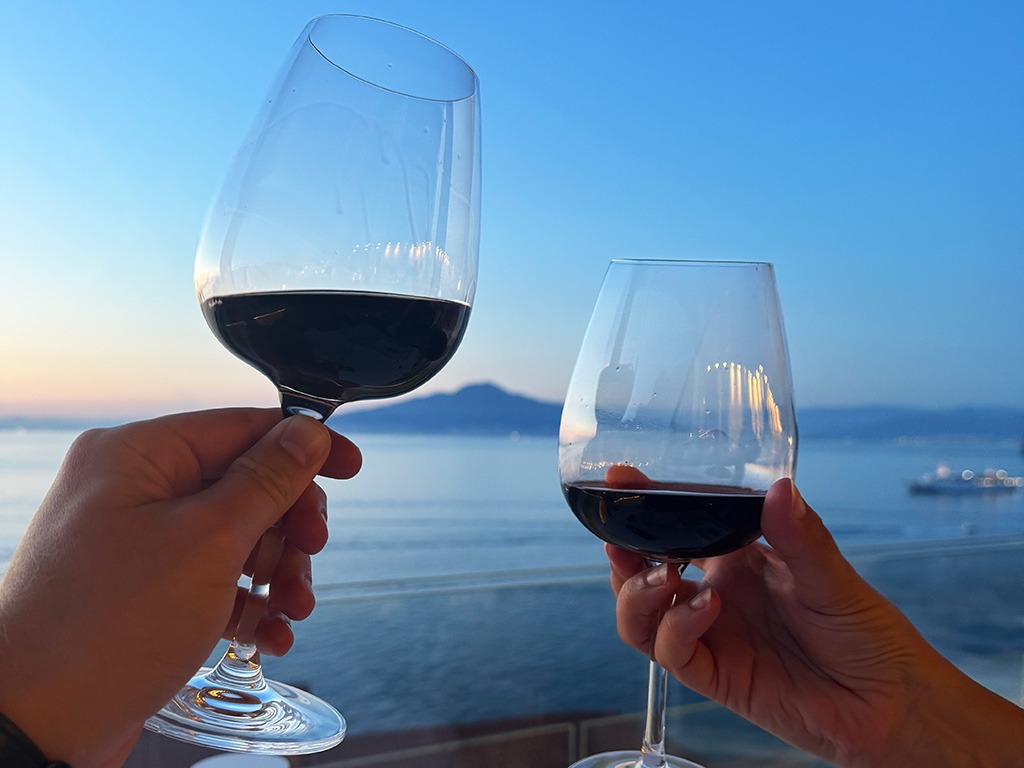
You’ll find us in Sorrento regularly where we love the fact the town and area offers everything you could ever want from a vacation in Italy
My top favourite hotel in Sorrento is Hotel Continental, located right in the heart of the main town and a short walk or taxi journey from the main beaches, historic centre and train station.
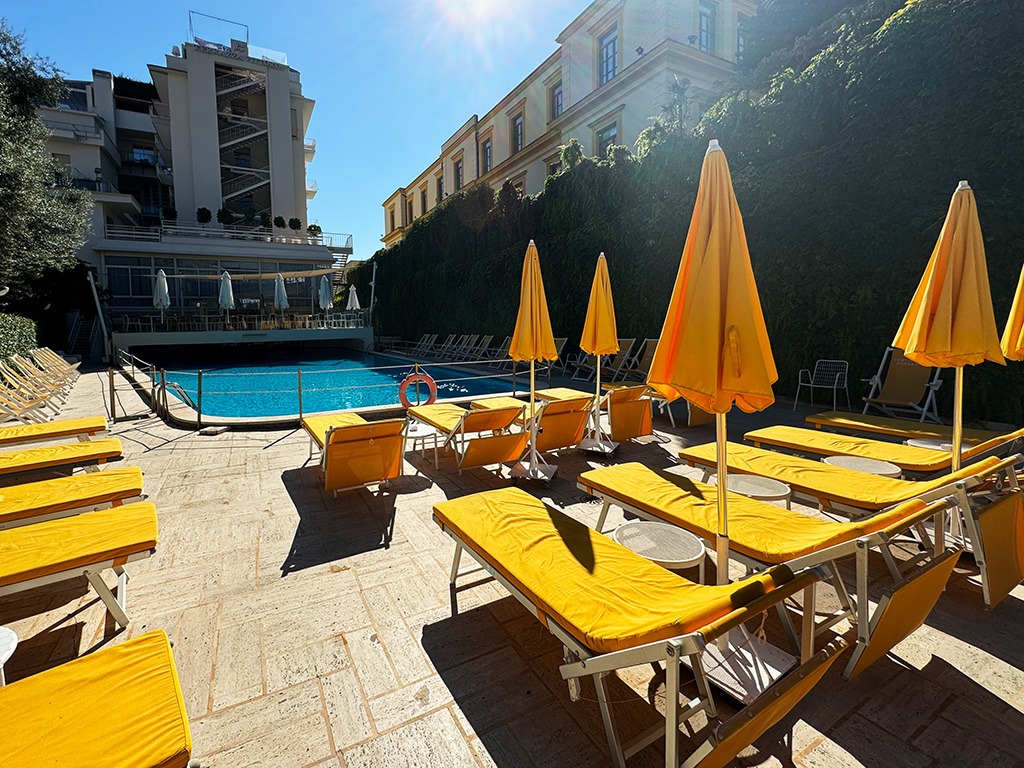
This old-world hotel features comfortable rooms with air conditioning, a rooftop terrace and restaurant with incredible panoramic views of the Bay of Naples, a large swimming pool and sunbathing area, a private elevator to Sorrento’s beaches, and a generous buffet breakfast.
What really makes this one of the best hotels in Italy, however, is the friendly staff; you won’t find a team anywhere else that will ensure you have the most amazing time possible when staying with them.
If you prefer small B&Bs when travelling, take a look at our friends at Il San Gaetano in the historic centre of Sorrento. You won’t find a more intimate base for a trip to Sorrento, where the hosts Marcella and Tonio go out of their way to ensure you have everything you need during a stay in Italy.
For a complete overview of what to do in Sorrento, more information about hotels and apartments, and breakdown of the best restaurants and shops, take a look at our dedicated guides on Napleswise here:
The best places for a city break in Italy
If you enjoy spending a few days in a city to soak up the culture of a country, you are really spoiled for choice in Italy. Thanks to this country’s regionality, the major cities up and down Italy are all very distinct. Here are my top three picks from south to north:
Ortigia (Siracusa), Sicily
Starting in southern Italy, the ancient city of Ortigia in Sicily is one of my all-time favourite places in Italy. Its position on a small island adjoining the modern city of Syracuse, makes Ortigia officially part of a bigger metropolitan area, but the moment you arrive, you’ll feel like you’ve stepped back in time and are in a compact and refined Sicilian city.
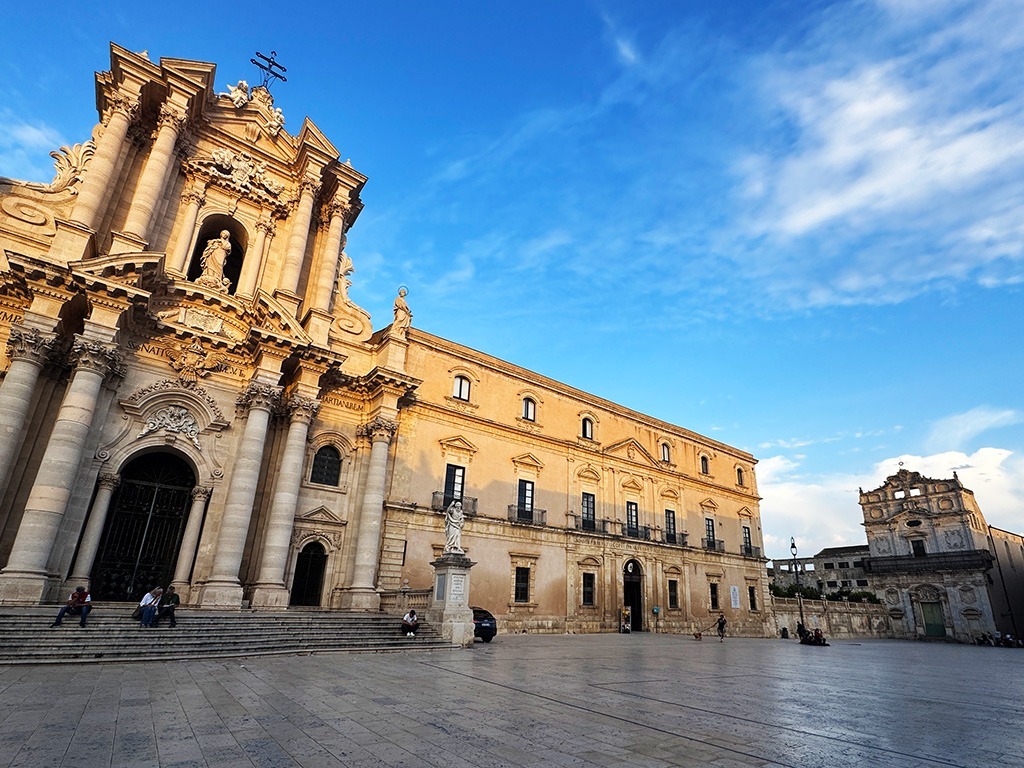
Ortigia’s Baroque architecture makes exploring the streets of this ancient city a joy at any time of year
Ortigia and Syracuse are brimming with history, with ancient Greek and Roman ruins dotted throughout the city and dramatic Baroque architecture that frame sweeping views of the Sicilian coastline. The city’s streets and piazzas are lined with near-endless places to eat and drink, boutique shops and artisan workshops, meaning foodies and shoppers will enjoy Ortigia just as much as history lovers.
Accommodation options range from large traditional hotels to small B&Bs and apartment rentals. For a small city, there is a lot of choice here, and in my experience, the cost per night is very much aligned to the Italian average.
Getting to Ortigia is straightforward; you can arrive at Catania airport and either take the local train, or book a taxi to reach the city center – the journey usually takes around around an hour.
Rome, Lazio
Rome needs no introduction. The Eternal City is one of the world’s most iconic locations, having been at the centre of Western history for over 2700 years.
This legacy, and the city’s location in central Italy, means Rome offers endless opportunities for visitors; you can sight-see all day and night, immerse yourself in incredible museums, indulge in Italy’s famous cuisine, and easily reach other famous locations such as Florence or Pompeii via train.
Rome is a big city so I recommend that you stay in the city centre to maximise your time when visiting. My favourite neighbourhood is the Rione Monti, which is within walking distance of the main train station, right in the historical center and close to key sites such as the Colosseum and Roman Forum.
Rome’s Fiumicino airport is one of Europe’s largest and offers routes globally, as well as within Italy. The airport connects to the centre of Rome via an express train that only takes 35 minutes to reach Termini train station. To find out more about visiting Rome, be sure to check out Romewise.
Milan, Lombardy
Milan is Italy’s style capital and industrial powerhouse. This legacy draws visitors from across the world, who come to shop at the city’s flagship stores and artisan boutiques and see the financial engine that drives Italy’s world-famous services economy.
Beyond the shops and business, Milan is famous for its history; it was once an imperial capital of the Roman empire, before later becoming the centre of a powerful duchy during the Middle Ages and Renaissance period. This legacy means Milan is home to some of Italy’s most fascinating historical sites and iconic artworks, including the famous Last Supper by Leonardo Da Vinci.
Milan is served by three airports (Linante, Bergamo and Malpensa) which combined make getting to and from Milan from anywhere in the world extremely easy.
Milan is known as a walkable city, meaning you can look to stay in most parts of the city and easily reach the main sights. For convenience, like any city, staying in the centre means you’ll be able to make the most of your time here.
But if you are travelling on a budget or have more time to explore, opting for somewhere in Milan’s neighbourhoods could be a good option for you. Staying further outside of the city centre is also a good idea if you have a hire car, as driving into the centre can be tricky. For a complete run down of the best areas to stay in Milan, plus recommendations outside of the city, check out my full guide here:
Where to stay for history, art and culture
Italy’s historic and artistic legacy is unrivalled, which makes choosing just three places for this guide extremely difficult. In my years of exploring Italy, I have never been anywhere that hasn’t been home to some piece of incredible artwork, a significant work of architecture, or was the birthplace of a notable figure from history. As such, no matter where you go in Italy you’ll find art and culture everywhere, but as promised, here are my three top picks:
Florence, Tuscany
As the birthplace of the Italian Renaissance, Florence is home to some of the country’s most important art works and cultural sites, such as Michelangelo’s David and the Uffizi Galleries.
Firenze (Florence’s name in Italian) was home to famous artists, politicians and writers across the ages including Michelangelo, Machiavelli and Dante, all of whom left their mark on the city.
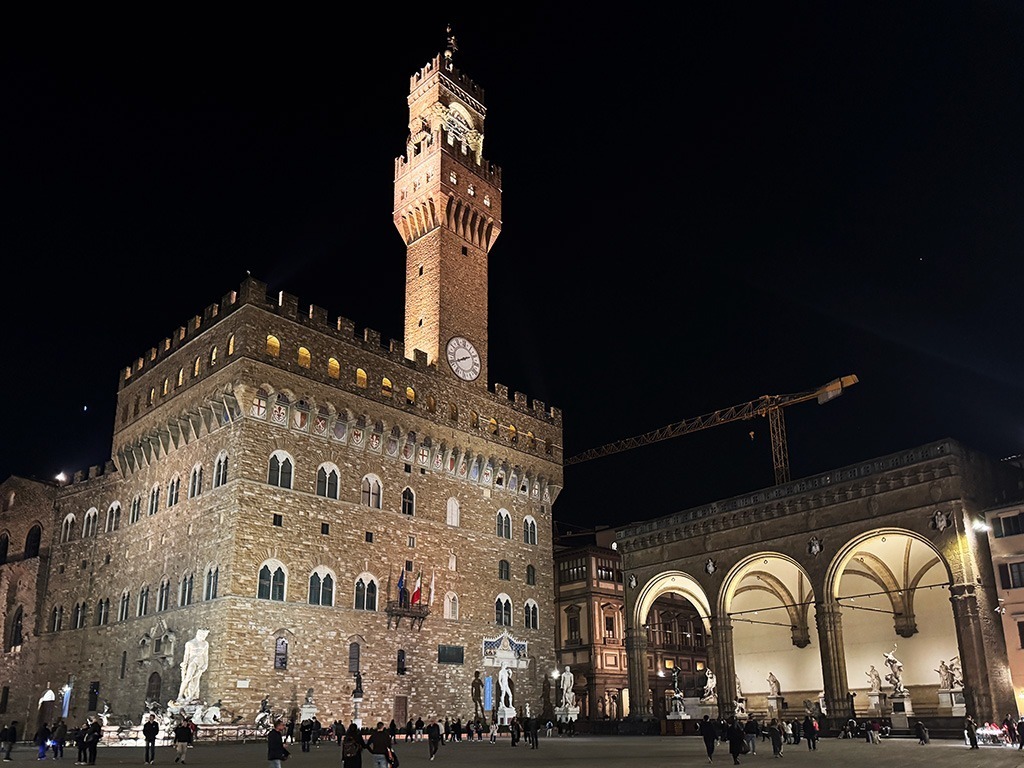
Few places in the world pull together so much culture and history in one place as Florence
Something I love about Florence, beyond the fascinating history and beautiful architecture, is the size; it is small and flat, which makes visiting and exploring very easy. You can stay anywhere in the historic centre and be within a short walking distance of all the major sites. There are plenty of boutique hotel options as well as apartments and B&Bs.
Florence is served by a small international airport with connects to other Italian cities, Europe and the UK. Visitors from the US and beyond should consider flying to Rome, and then using Italy’s high speed train network to reach Florence conveniently. To find out more about visiting Florence take a look at Florencewise here.
Naples, Campania
Naples is not often associated with art and culture, but it really should be. The city is home to some of the most culturally significant artworks, unique churches and best examples of Italian architecture.
Prior to Italian unification in 1870, Naples was the capital of a rich and powerful kingdom run by a branch of the Spanish Bourbon royal family, and during its heyday, Naples rivalled Paris and Milan as Europe’s great cultural centre. This legacy lives on in the city’s galleries and museums, including the MANN and Capodimonte palace.
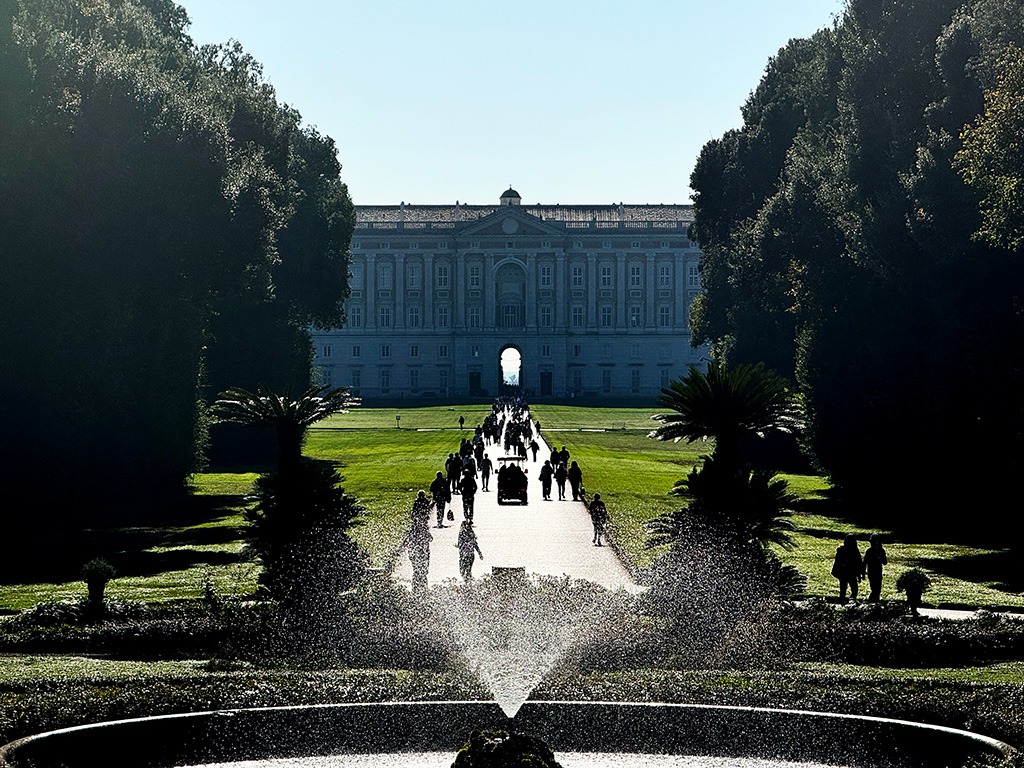
Just outside of Naples you’ll also find the world’s largest royal residence; the Palace of Caserta, which, along with its sprawling gardens, is a testament to Naples’ significance.
Be sure to stay in the historic centre of Naples to experience the city at its best. We love the area around Piazza Dante, as not only can you get to the city’s principle sites easily, but with the metro connecting here, you can get to the main train station easily. Our go-to place to stay is La Gemma, a small, independently-run bed and breakfast with comfortable rooms at reasonable prices.
With transport links to the wider Campania region and beyond, including the Amalfi Coast, Reggio Calabria and the Aeolian Islands, Naples makes a great location for anyone wanting to explore south Italy.
Direct flights to and from Naples International Airport are available for the US, UK, most major European cities, and other Italian airports. Naples can also be reached in just over an hour from Rome by train. For more information about visiting Naples be sure to visit Napleswise here.
Rome, Lazio
Rome’s cultural legacy stretches back more than 2,000 years. The city, founded according to the famous legend by Romulus and Remus, first rose as the capital of the Roman Republic, then the Roman Empire. It later became the centre of the Catholic world and, most recently, the capital of the Italian Republic.
This long history means Rome is home to some of the world’s best museums and galleries, including the Capitoline Museums, Galleria Borghese, and the MAXXI.
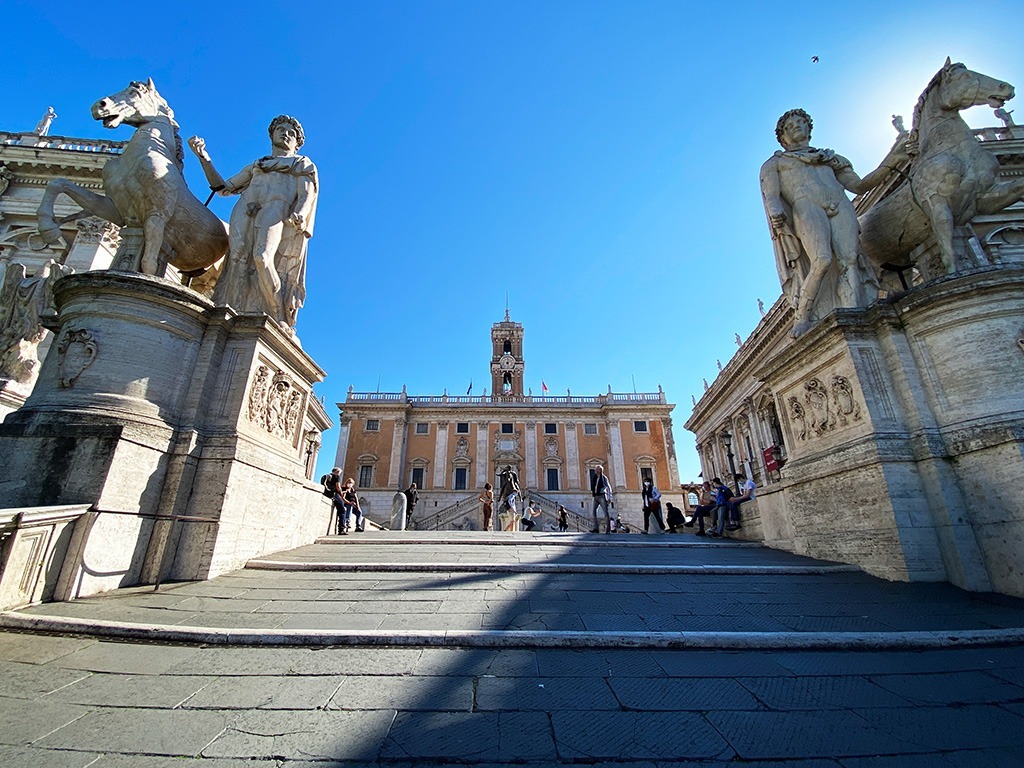
Rome is a giant outdoor museum where it is impossible to not be impressed by its grandeur as you explore
Inside the walls of Vatican City, which is officially a separate country within the boundaries of the city of Rome, you’ll also find the Vatican Museums. Here you’ll find famous artworks from through the ages, and access to the Sistine Chapel.
If you’re coming to Rome for the art, consider staying in the Prati neighbourhood, close to the Vatican. This will mean you can get to the Vatican conveniently and make use of Rome’s metro network to access other major galleries and museums.
The best places to stay in Italy for foodies
Italy is as renowned for its cuisine as it is for its art and culture. So, if you’re a food lover, you won’t struggle to have a good time here. If you want to have a truly indulgent experience during your trip to Italy however, consider visiting the following cities, and if time allows, use them as a base to explore the surrounding areas to experience Italy’s varied food scene:
Naples, Campania
As the home of pizza and other famous products like mozzarella and tomatoes, Naples and the surrounding region of Campania are one of the best places to stay in Italy for food lovers.
As you wander through the historic centre and along Naples’ waterfront, you won’t struggle to find restaurants and takeout joints serving classics from pizza Margherita and pasta Genovese to freshly caught seafood.
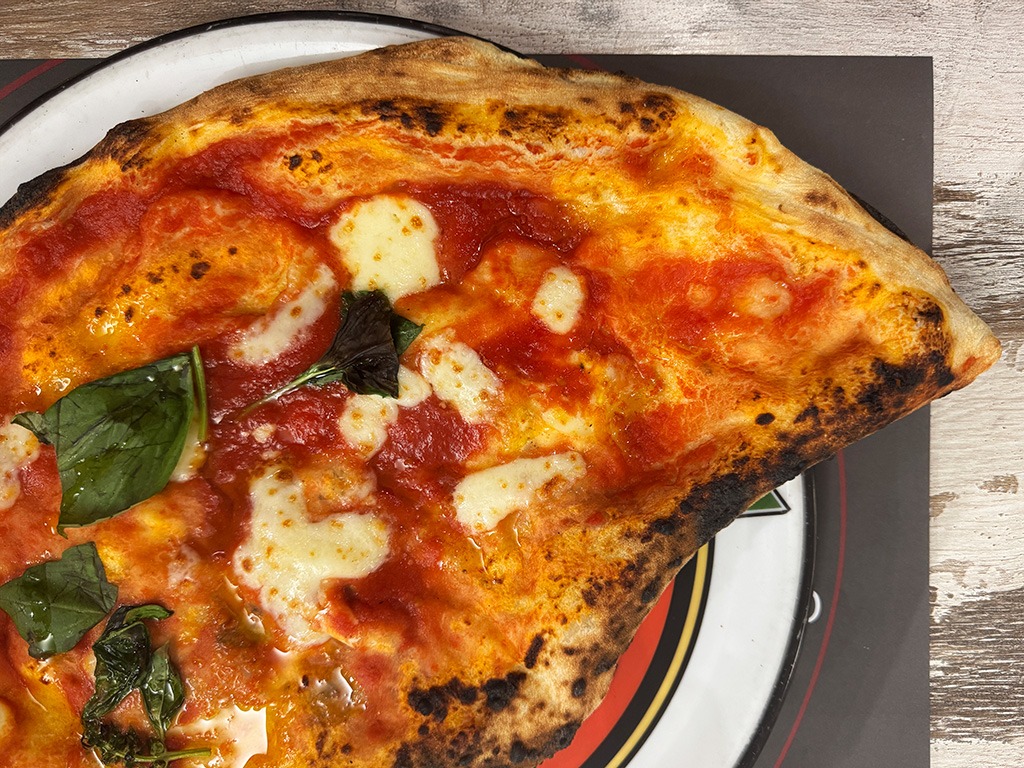
Real pizza, enough said. To find out more about where to eat in Naples, check out this detailed guide on Napleswise
If you’re coming to Naples to eat and drink, I’d recommend basing yourself in or near Piazza Dante as this central location ensures you’ll be able to explore the key foodie areas of the Spanish Quarter and Spaccanapoli on foot.
Bologna, Emilia-Romagna
Bologna, the capital of the Emilia-Romagna region, is widely considered Italy’s northern food capital. The wider region is famous for native produce including cured meats (Prosciutto di Parma), hard cheeses (Parmigiano Reggiano) and Balsamic vinegar.
This food heritage converges in Bologna, which in turn pulls in influences from beyond Emilia-Romagna, meaning it is impossible to eat badly in the city. In fact, one of Bologna’s nicknames is ‘il grasso‘, meaning ‘the fat one’.
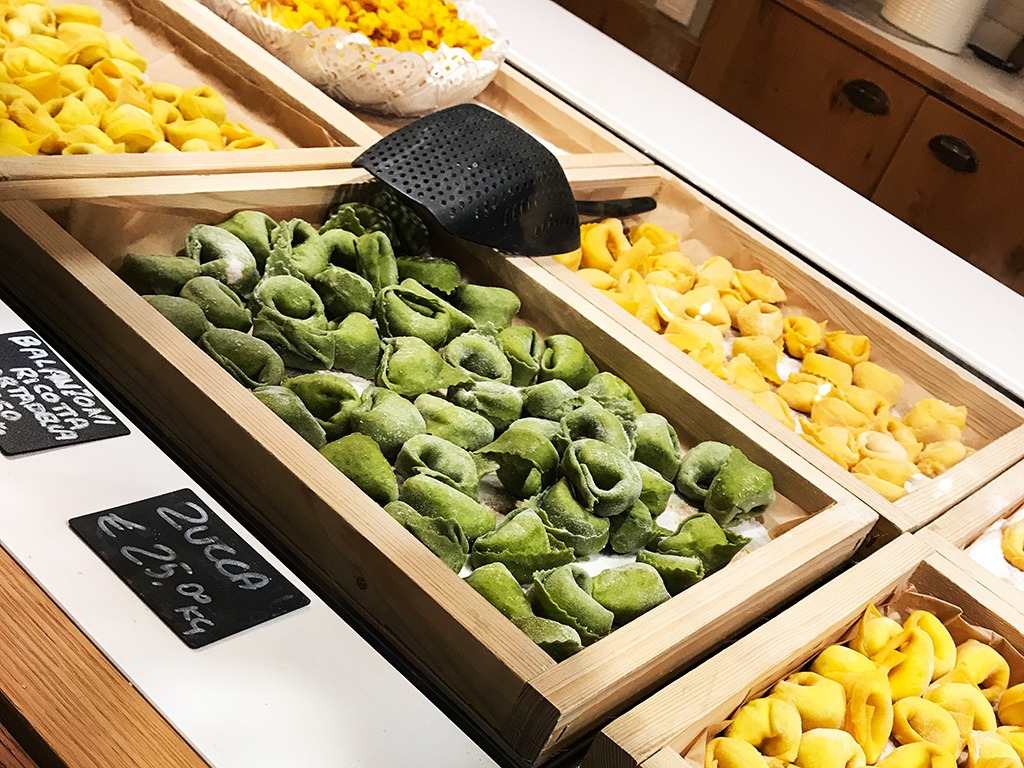
Bologna is the home of fresh pasta, where you’ll see the streets lined with shops offering daily-made tortellini, spaghetti and more
Bologna is a small city, meaning anyone considering a stay here should look in the city centre, focusing accommodation searches around Piazza Maggiore. From here you’ll be able to walk easily around the city, enjoying the endless eating and drinking options on offer.
This city is also the perfect base to explore not only the Emilia-Romagna region. With high-speed train links taking you north to Venice and south to Florence in around 2 hours, more iconic foodie destinations are within easy reach.
Palermo, Sicily
If Bologna is northern Italy’s food capital, I contend that Sicily’s capital, Palermo, is the southern equivalent. Maybe I’m biased as Sicilian is my favourite regional cuisine, but between the city’s famous produce markets and street food, I go out of my way to visit Palermo and the nearby area whenever I’m in Sicily because the food here is that good.
Palermo is also a great option for anyone travelling on a budget, as eating and drinking is considerably cheaper compared to almost any other area of Italy. Most street food items will only cost just a few euros, and regular restaurants often come in at less than 50€ for two people dining with wine.
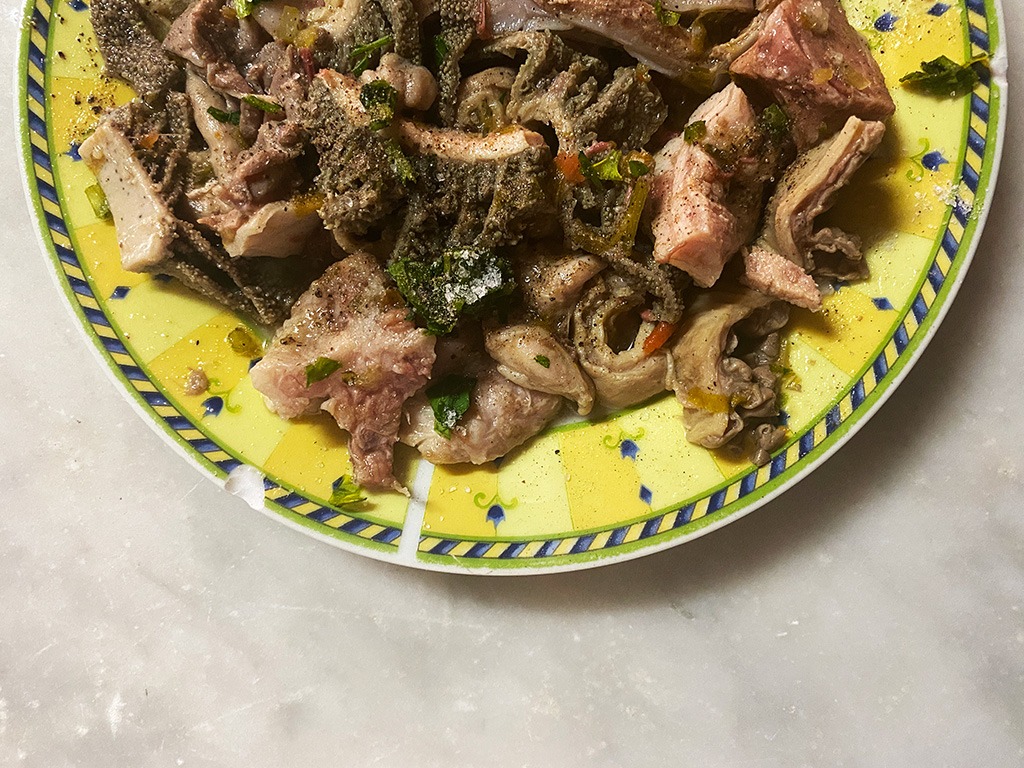
Don’t be shy in Palermo when it comes to selecting street food; the best bites in my experience are the offal and tripe specialities from this part of Sicily
Sicily’s capital is spread out, but the historic center is compact. This makes for an easy food-focused trip here. Visitors should look for a base somewhere close to the iconic Quattro Canti crossroads, where all key locations in Palermo can be reached on foot.
One thing to note; Palermo is a busy, sometimes chaotic city (even more so than Naples in my opinion) all year around. If you’re looking for a slower paced trip but are keen to explore Palermo’s food scene, consider staying further up the coast in Cefalú. You can easily get into Palermo from here by train but enjoy a quieter stay. For more information about where to stay in Sicily, read my full guide here.
Are you ready for Palermo?
Best Hotels
Find your perfect base in the Sicilian capital, whether near the energy-filled markets or at one of the city’s luxury, old-world hotels. Book with confidence with Booking.com
Top Attractions
Reserve your entrance to Palermo’s cathedral, Norman Palace and Botantical Gardens, or join expert-led cuisine tours to indulge in the city’s famous food and drink:
Insider Tips
Benefit from our many years of Sicily travel experience, making the most of our insider knowledge to save you time, money and stress when travelling
Are you ready for Palermo?
Best Hotels
Find your perfect base in the Sicilian capital, whether near the energy-filled markets or at one of the city’s luxury, old-world hotels. Book with confidence with Booking.com
Top Attractions
Reserve your entrance to Palermo’s cathedral, Norman Palace and Botantical Gardens, or join expert-led cuisine tours to indulge in the city’s famous food and drink:
Insider Tips
Benefit from our many years of Sicily travel experience, making the most of our insider knowledge to save you time, money and stress when travelling
Where to stay if you’re interested in wine
Italy’s world-class cuisine is only further complimented by its wine heritage, drawing visitors from around the world. Honestly I believe you could stay in any part of Italy and not be disappointed by the wine on offer, but in my experience, some areas stand out:
Barolo, Piemonte
This is one for the red wine lovers; Barolo in the region of Piedmont is home to what is known as the ‘King of Wines’ in Italy. Named after the town from which it comes from, Barolo wine is renowned throughout the world for its bold flavour, which draws on the landscape’s unique position between the Alps and Mediterranean coast.
Staying in Barolo will mean you can fully indulge in the local produce, and while there are plenty of options in the town centre, we would recommend taking a look at Ciabot delle Aie. This family-run winemaker is located just a few minutes outside of the town of Barolo, they offer private tours of their winemaking facilities as well as intimate tasting experiences.
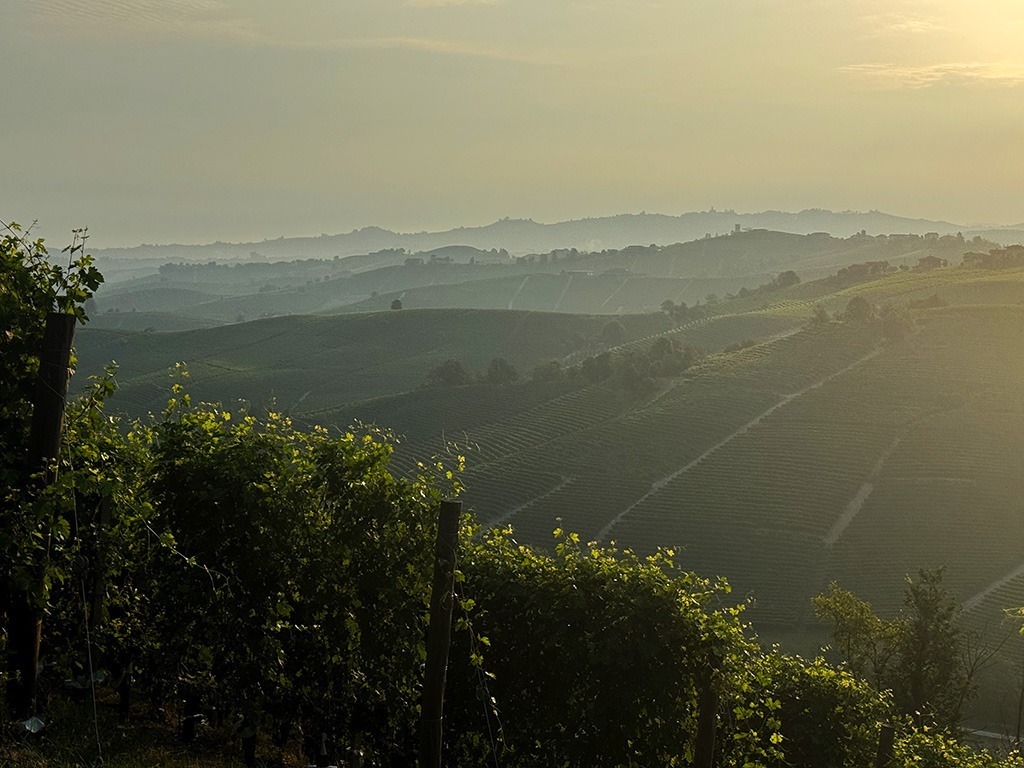
No Instagram filters or AI-generated imagery needed – this is what Barolo looks like on an early summer morning
The best way to get to Barolo is via car, either driving yourself or via a taxi from Turin (Torino). The journey will take roughly a hour to an hour and a half, but the effort is worth it if you enjoy Italian wine as much as we do! The closest major airports to Barolo are those near Milan, with an average journey time via road of 2.5 hours.
Lake Iseo, Lombardy
Staying in northern Italy, moving east of Piemonte, my next recommendation is the area around Lake Iseo in the region of Lombardy. Smaller, and less visited than other famous lakes in this area such as Lake Como, this zone is a must for anyone who enjoys sparkling wine.
Italy’s equivalent of champagne, Franciacorta, hails from this area. You’ll also find no end of wineries and producers creating their own bollicine, as well as still reds and white wines using local grape varieties.
On a previous trip to this area for Sara’s birthday we treated ourselves to a stay at Podere Castel Merlo, which beyond being a beautiful hotel with spacious rooms, produces its own wines and offers on-site tours of their production facilities. Their amazing restaurant only added to our enjoyment and we are planning to return this year.
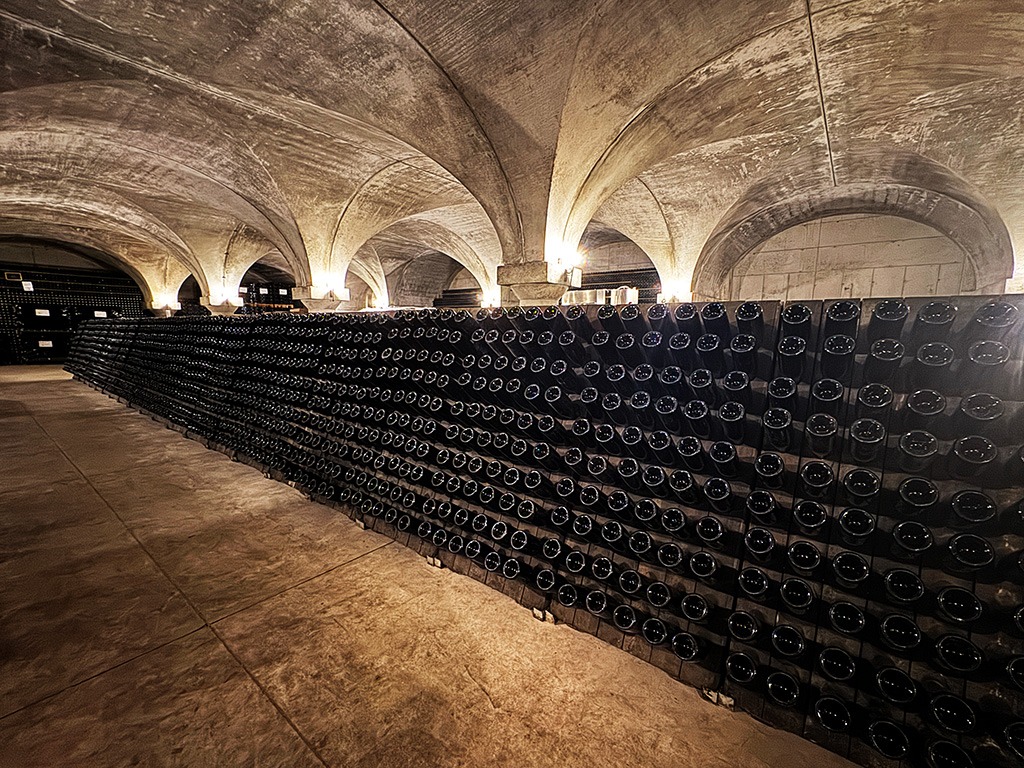
Where the magic happens; Castel podere’s wine cellar with row upon row of sparking wine riddling
Alghero, Sardinia
On the north-western coast of Sardinia, you’ll find one of my favourite places anywhere in Italy; the small Catalan/Italian town of Alghero. One of the many reasons I love Alghero is for the wine selection available throughout the town and nearby area. It’s particularly known for the production of white wines using Vermentino grapes.
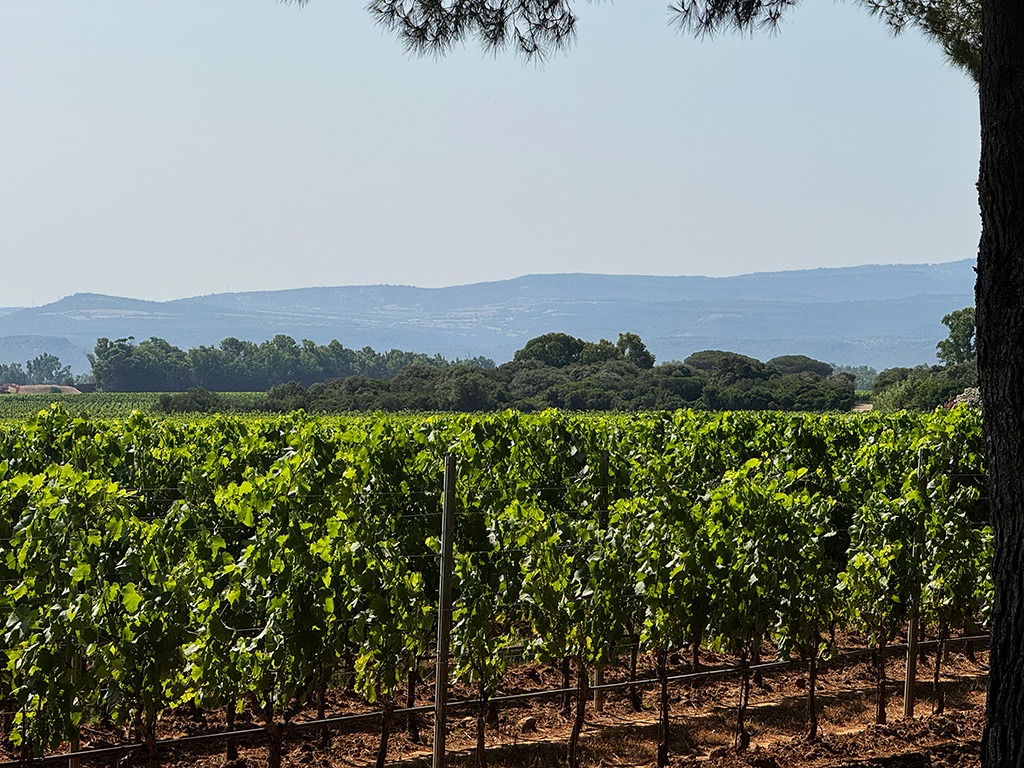
Few things beat waking up surrounded by Sardinian vines
Wine lovers should consider staying at the iconic Sella e Mosca vineyard just outside of the main town of Alghero for a full experience, but honestly, wherever you stay in this area you will have no trouble accessing Sardinia’s best wines in any restaurant or bar. For a full guide to the town of Alghero and more specific recommendations on where to stay, check out my full guide here:
The best places to stay to explore Catholic history and religion
Rome & Vatican City
The most obvious starting point is Vatican City, the spiritual centre of the Catholic world, located within the city of Rome. As the seat of the Pope and the Holy See, the Vatican is home to some of Christianity’s most significant sites, including St Peter’s Basilica and the Sistine Chapel.
As Vatican City itself is tiny and has no accommodation options, I’d recommend staying nearby in Rome’s Prati neighbourhood, which offers easy walking access to the Vatican while also being well connected to the rest of the city. This makes it a practical base not only for visiting the Vatican, but also for exploring Rome’s countless churches, basilicas, and religious museums spread across the historic centre.
Assisi, Umbria
In the hills of Umbria sits Assisi, one of Italy’s most important pilgrimage destinations and a place that feels very different from Rome. Assisi is inseparably linked to St Francis of Assisi, whose life and teachings continue to influence Catholic thought worldwide.
The Basilica of Saint Francis dominates the town and is both artistically and spiritually significant. The town itself is small and mostly walkable (with some steep inclines), featuring stone streets and quiet piazzas which, when compared to Italy’s major cities and most other cultural centres, make it feel calm and reflective.
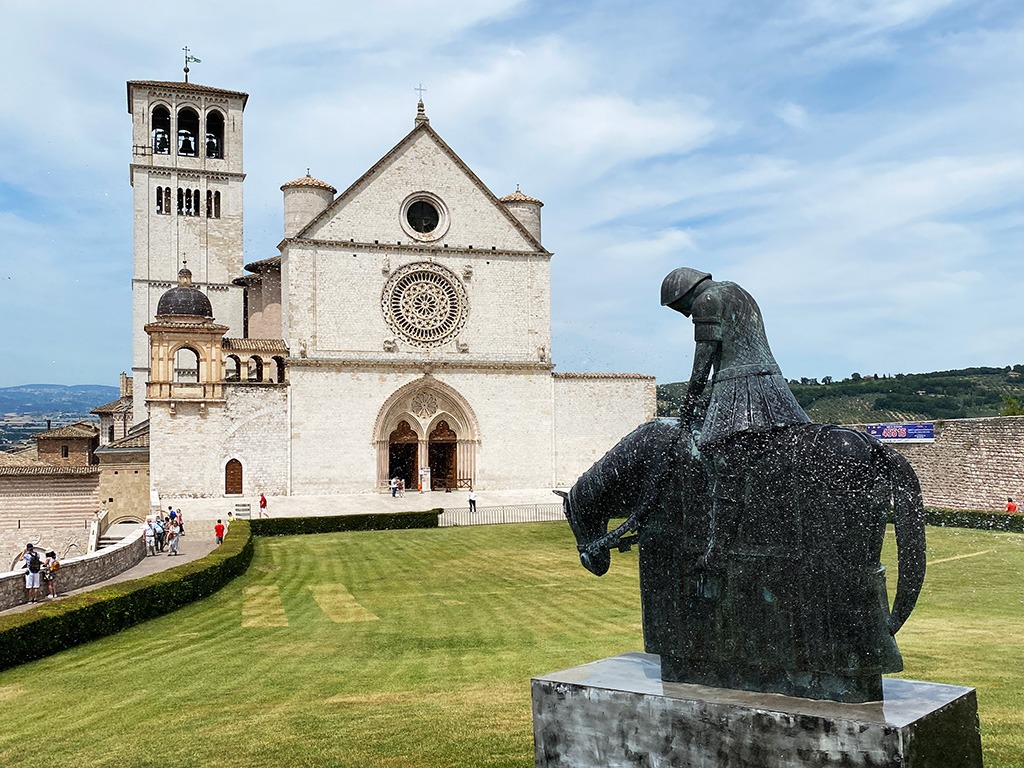
Assisi’s iconic cathedral is a must see for anyone coming to Italy for religious travel, as well as general history and culture
Accommodation in the town of Assisi tends toward small hotels, convent guesthouses, and family-run B&Bs, many which are within walking distance of the basilica. Assisi also works well as part of a wider Umbrian stay, combined with nearby Perugia or the region’s rural countryside. If you are looking for somewhere away from the town of Assisi, but offering easy access, check out Ripa Relais Colle Del Sole, one of mine and Sara’s all-time favorite places to stay in Italy.
Ravenna, Emilia-Romagna
Less obvious and often overlooked, Ravenna is no less important to Italy’s religious history. It was once the capital of the Western Roman Empire and later an important centre of Byzantine power in Italy. Today, it is famous for its extraordinary collection of early Christian mosaics including the iconic depictions of Eastern Roman Emperor Justinian and his Empress Theodora.
Sites such as San Vitale and Sant’Apollinare Nuovo showcase some of the finest religious mosaics in the world, dating from the 5th and 6th centuries. Staying in the historic centres of Ravenna allows you to explore these sites at ease.
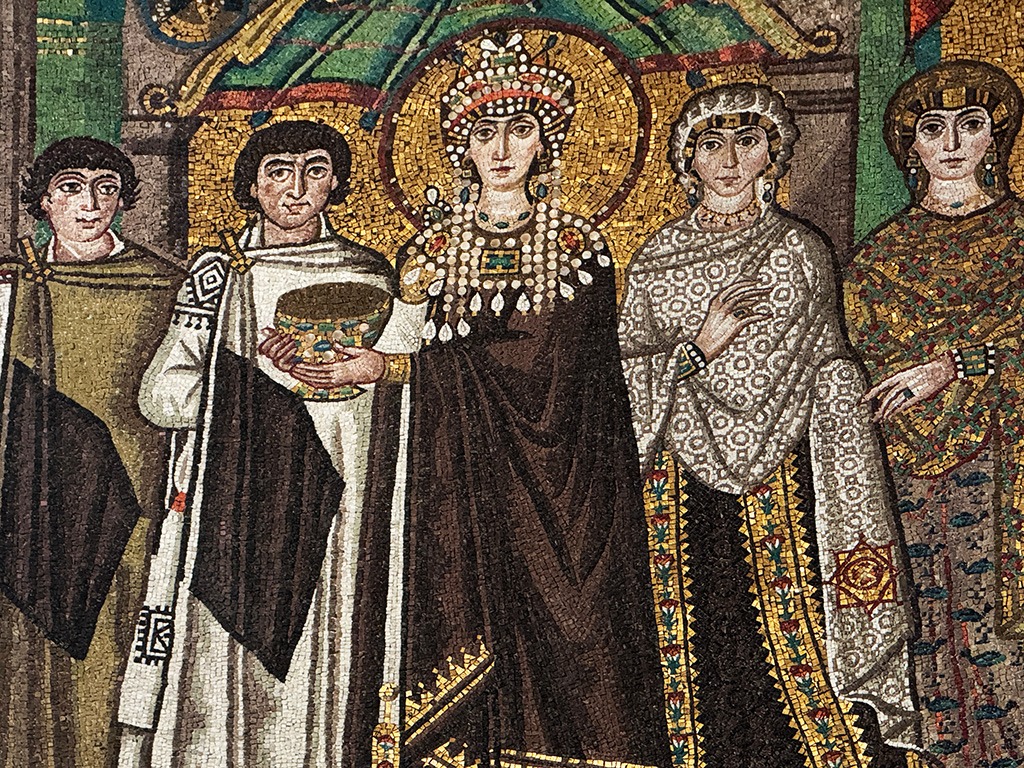
Ravenna’s mosiacs are as bright as they were when they created some 1500 years ago
Ravenna is compact, flat, and easy to navigate, with good train connections to Bologna and the wider Emilia-Romagna region. Accommodation is straightforward, with a good selection of central hotels and apartments close to the main religious monuments. Take a look at your options here:
Staying close to water – the sea, lakes and more
Italy is surrounded by water in the east, west and south, peppered with lakes throughout, and features 450 islands along it’s long coastline. As such, finding somewhere to enjoy the water from could be overwhelming – here are my top choices:
Venice, Veneto
Venice is one of the worlds greatest cities. It is truly unique; a medieval city, floating just off the northern Italian coast in a tidal lagoon. I was fortunate enough to live very close to Venice between 2019-2021 and visited as much I could, exploring famous sites such as Piazza San Marco (Saint Mark’s Square) and the Doge’s Palace.
Alongside Rome, Florence, and Naples, Venice is one of this country’s most visited places, but few people coming here really take the time needed to appreciate this special place. Most visitors visit for a day, but the city comes alive at night when the cruise ships depart and the last trains leave the island. I would recommend staying in Venice for a few days to explore the alleys and waterways at leisure.
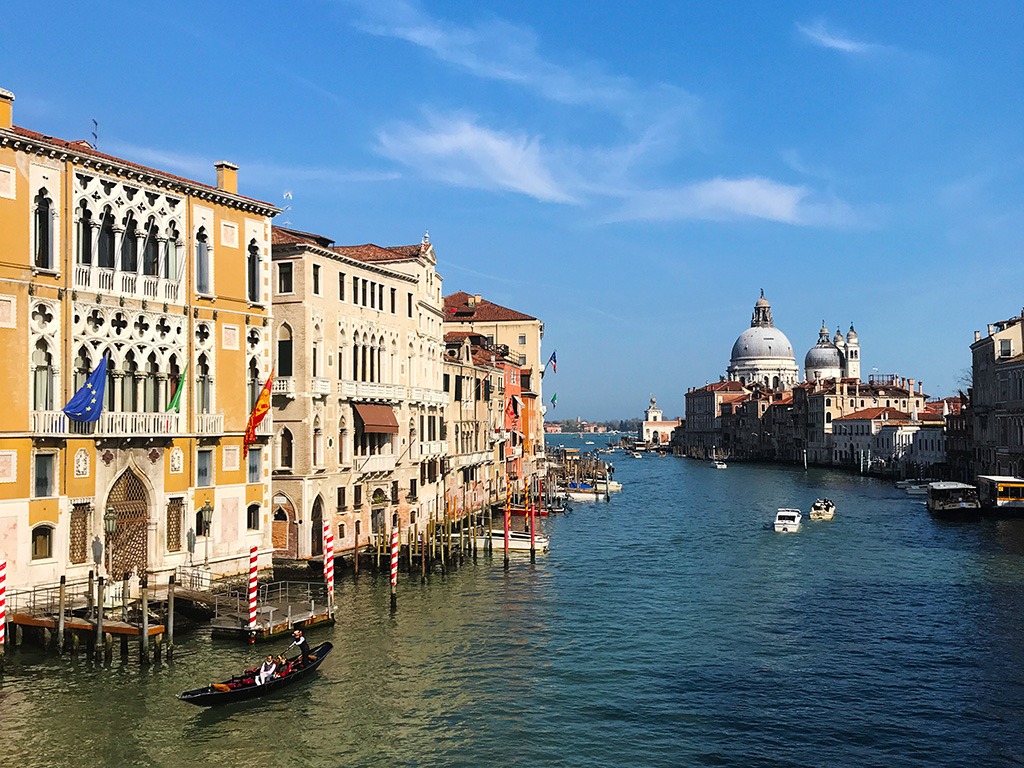
Few places are as recognisable as Venice
The best location for any stay in Venice is generally anywhere within easy reach of the Grand Canal – opting for a hotel or apartment close to the city’s main artery means you’ll be able to use the vaporetti (water taxi) network easily. Getting to and from Venice is convenient, as the closest airport (Venezia Marco Polo) is a major international hub, the city is connected to Italy’s high speed and local train networks.
Staying in Venice also means you can easily reach the famous beach at Lido di Jesolo, or the natural thermal waters of the Euganean Hills. To understand more about staying in Venice, or the wider Veneto region, check-out my dedicated guide here.
Ischia, Campania
The largest of the Napolitan islands, Ischia, is a little slice of paradise floating in the Bay of Naples that epitomises La Dolce Vita – the good life. A big part of this is for the fact that the island features beautiful beaches and immediate access to the stunning coastline of Campania, as well as an abundance of natural thermal springs.
The natural springs on Ischia are powered by volcanic activity, as the island is part of the wider volcanic system that sits under the Bay of Naples – in fact, Ischia is actually a volcano – one of the five in the bay area.
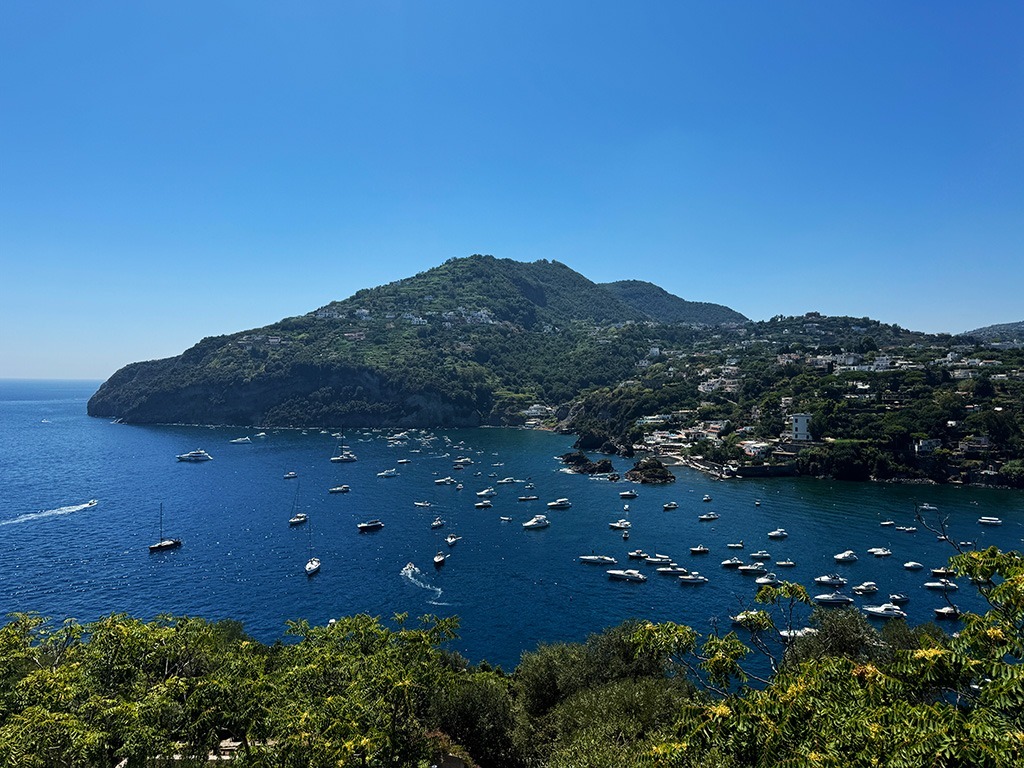
Ischia in Campania has it all; dramatic coastlines, sandy beaches, natural spas
Based on my personal experience, and extensive research for Napleswise, I would recommend staying in the main town of Ischia for any visit to the island. Doing so means you’ll be able to get to and from the thermal springs easily, enjoy beach days at ease, and reach Naples and other parts of Campania via ferry easily.
Lampedusa, Sicily
This tiny island floating in the middle of the mediteranean is Italy’s most southern point, geographically closer to Tunisia in North Africa than it is to Sicily.
While Lampedusa has been a popular vacation spot with Italians for decades, only recently has it been discovered by visitors from abroad. This makes it a great choice for anyone looking to explore off the beaten path, and enjoy Sicily’s famous vita lenta – literally, ‘slow life’ but more akin to ‘relaxed life’.
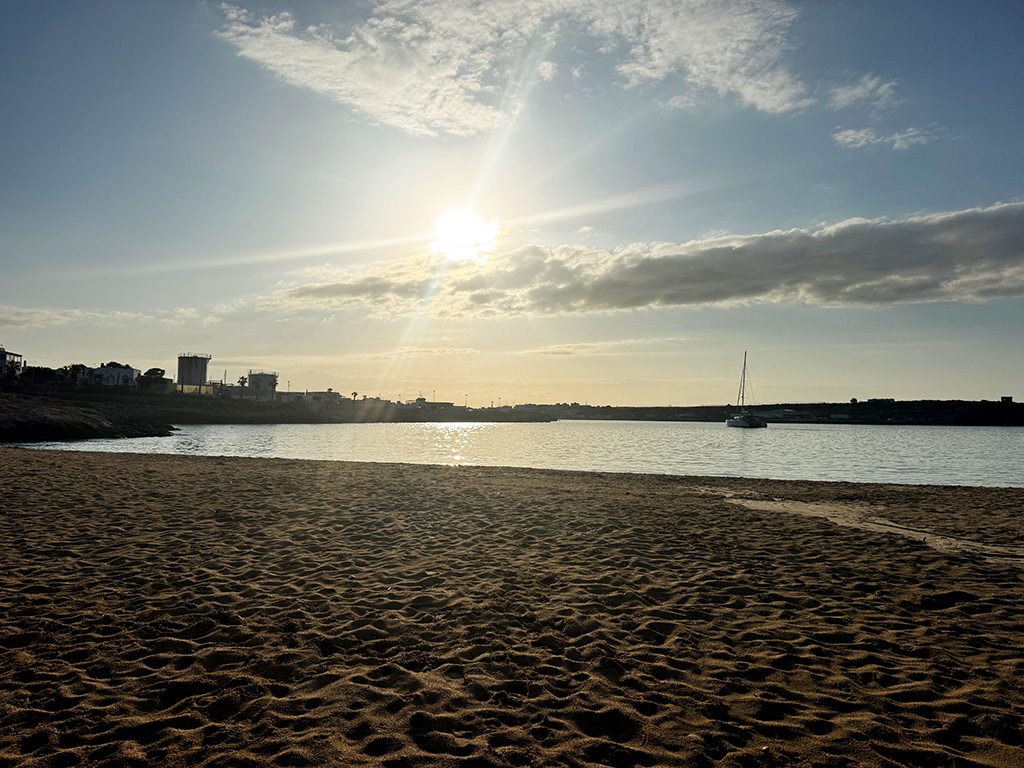
Some of Italy’s top beaches (officially) are found on Lampedusa
The main draw for visitors coming here is the natural beauty of the island’s coastline, its pristine beaches and crystal clear waters. Life on Lampedusa revolves around the sea, and visitors who love the water will find no end of boat tours and snorkelling excursions on offer.
For a complete overview of where to stay on Lampedusa, including my specific B&B recommendation, check out my full guide here:
For nature lovers and outdoor persuits
If you are coming to Italy for its natural beauty and stunning scenery, once again there are almost too many options to only pick three to showcase here. That said, some places I love more than others – here are my top picks:
Courmayeur (Monte Bianco), Val d’Aosta
At Italy’s most western point you’ll find the summit of Monte Bianco, the highest mountain in the Alps, and in the whole of Europe.
At the base of Monte Bianco sits the town of Courmayeur, the last Italian town before you enter the tunnel that runs under the mountains where you’ll exit the other side in France.
From Courmayeur you can access the numerous hiking paths up the mountains, as well the ski slopes that this part of Italy is known for.
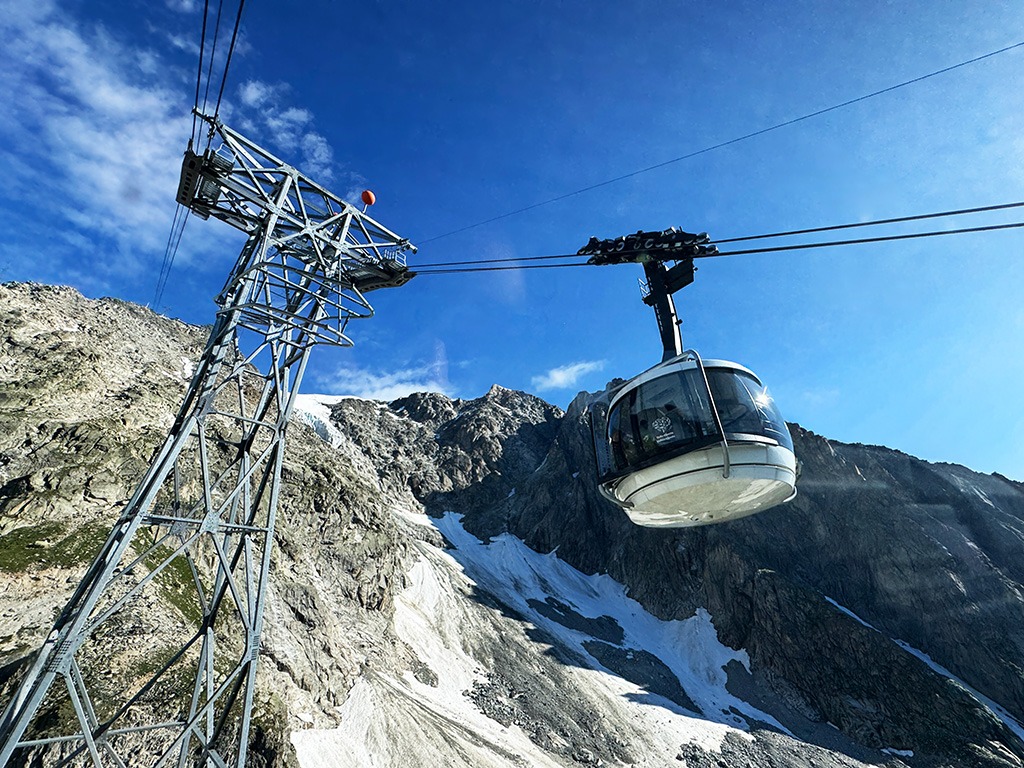
Europe’s highest spot is just two cable cars away
If, like me and Sara, you prefer the mountain views without exerting yourself too much, be sure to visit the Monte Bianco Skyway. By taking a pair of modern and safe cable cars you can visit the top of the mountain, breathe in the fresh air at the world’s highest botanical garden, and enjoy an alpine lunch before descending back to Courmayeur.
In Courmayeur you’ll find large hotels catering to hikers and skiers, small B&Bs and chalet rentals. Getting to Courmayeur is only really viable by road – you’ll need to drive here, either coming north from Piedmonte or Lombardy, or from the French side of the border.
Ripa, Umbria
Umbria is referred to as the green heart of Italy, and when you arrive, its easy to see why. This region is one of Italy’s few landlocked regions, but because of its elevation and unique geographic position in the centre of the country, nature flourishes here.
Beyond the green hills and sweeping valleys, Umbria is also home to some of Italy’s most scenic lakes, such as Lago Trasimeno, where you can pass your days swimming in the fresh, cooling waters.
Our favorite boutique hotel in Umbria is Ripa Relais Colle de Sole just outside of the small village of Ripa, not far from the cities of Perugia and Assisi.
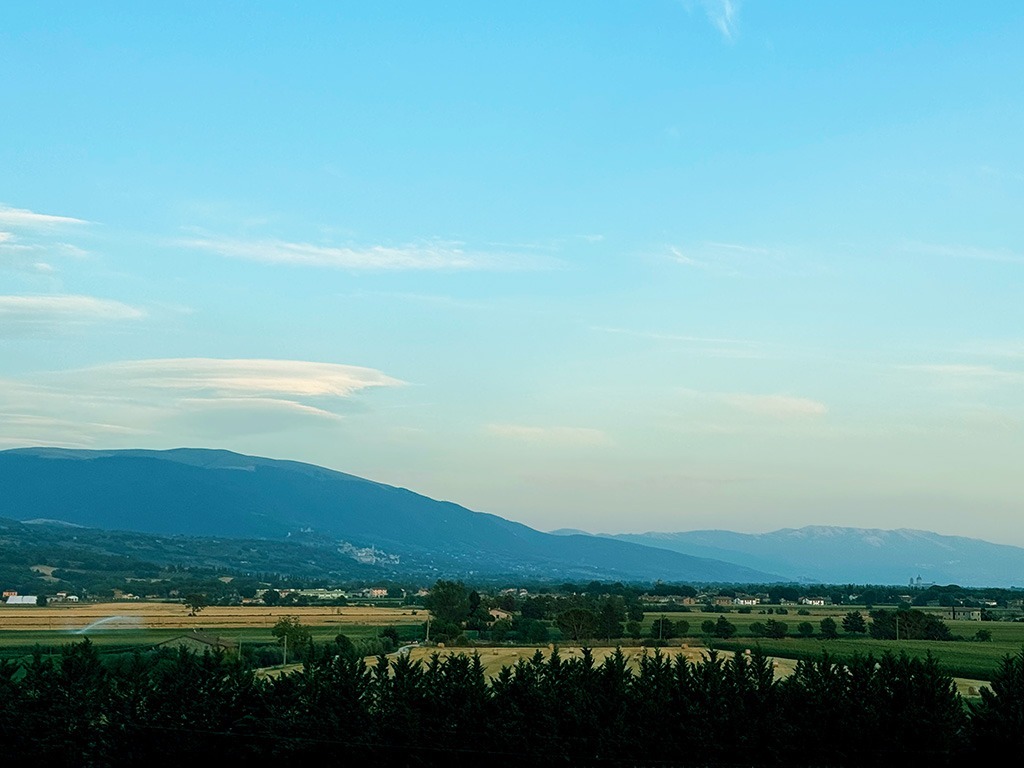
If you stay anywhere in Umbria you’ll quickly understand why the region is known as ‘the green heart of Italy’
We love this place as the country-styled rooms are homely, the pool and drinks terrace offer amazing views of the countryside, and the on-site restaurant serves some of the most delicious food we have eaten anywhere in Italy. Seriously, the menu at Ripa Relais is truly special and worth visiting just to try in my opinion.
To get to Umbria you’ll need to drive, or use Italy’s train network – there is no major airport in this region, which is maybe why the nature is so unspoiled…
Vesuvius, Campania
Mount Vesuvius, the infamous volcano that dominates the Bay of Naples is referred to by locals as ‘The Boss’. This is because, beyond the fact that an eruption could mean destruction and death for Naples and the wider area, the volcanic material deposited on the land by historical eruptions makes this area incredibly fertile, producing some of Italy’s most delicious produce.
The scenery of this area, shaped over millions of years by the activity of Vesuvius and the wider volcanic system here, makes this the single most beautiful area in Italy in my opinion.
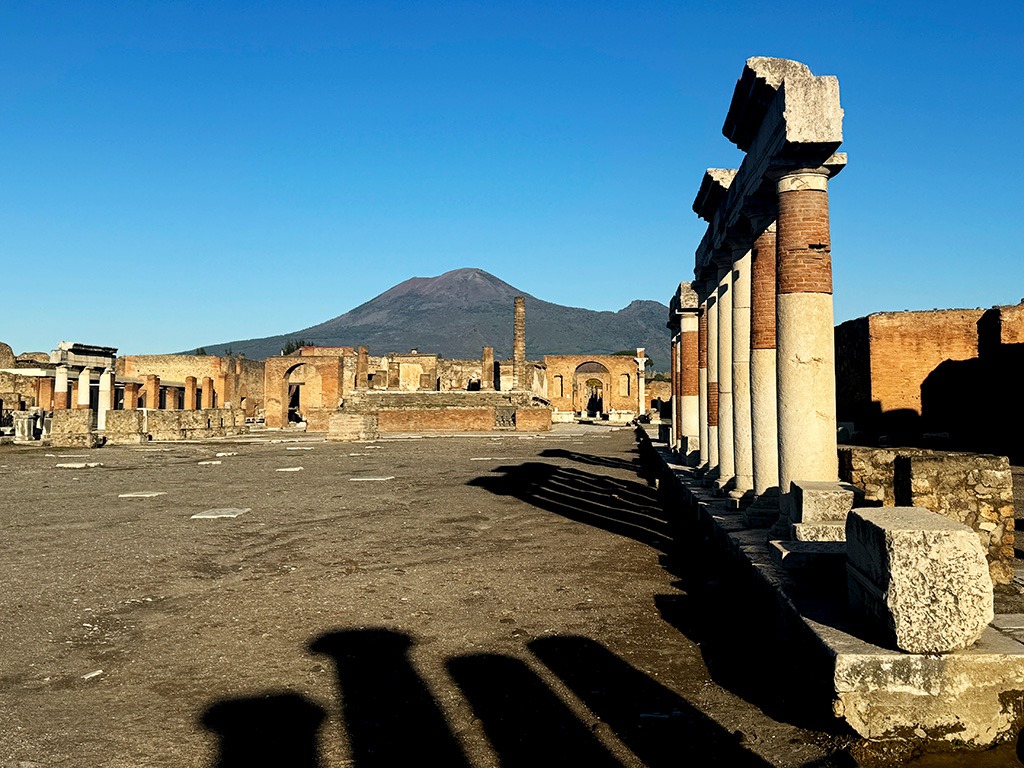
Life for both locals and visitors focuses around Vesuvius in this part of Italy, just has it has since the time of ancient Rome
Wide plains give way to mountains, which in turn fall in to the sea as dramatic cliffs. Nature lovers are spoiled here when it comes to things to do; you can hike Vesuvius, arriving at the crater where signs of volcanic activity can often be seen, you can snorkel or scuba dive to discover the marina fauna and wildlife that thrives off the coast of Campania, or simply appreciate the epic landscape on a tour of Naples, Pompeii or Sorrento.
Getting to Vesuvius is easy; on arrival in Naples (where you’ll find a well-connected international airport) you can either drive for around 30 minutes to the volcano, or take a train and then hike or use the bus to reach the crater.
On the slopes of Vesuvius you’ll find several places to stay, which can elevate your experience while on the volcano – both physically as most are fairly high up the mountain, and pratically as they offer more immediate access to hiking routes. For more information about visiting Vesuvius, check out Napleswise here:
Family vacation recommendations
Italian culture is very family-orientated so you’ll find a lot of great places up and down Italy that are perfect for a family vacation – here are our top picks:
Jesolo, Veneto
Located on the edge of the Venetian Lagoon, the town of Jesolo and adjoining beach (Lido di Jesolo) has been a popular location for families on holiday for decades.
Sara used to come here frequently as a child with her parents and siblings, and since then the offering for families has only improved. You’ll find large resorts and huge beaches, perfect for kids and parents to explore and relax in.
The nearest major airport to Jesolo is Venice Marco Polo with is well connected to the UK and Europe. if you are coming to Jesolo from the US, you’ll need to take a connecting flight to land at Marco Polo.
Rimini, Emilia-Romagna
This resort town on the Adriatic Sea (east coast) is one of Italy’s all-time original vacation spots, and is as popular now with Italians and tourists as it ever has been.
Rimini’s lungomare (seafront/prominade area) has been recently renovated, boosting the access to the city’s famous beaches from the town and major hotels.
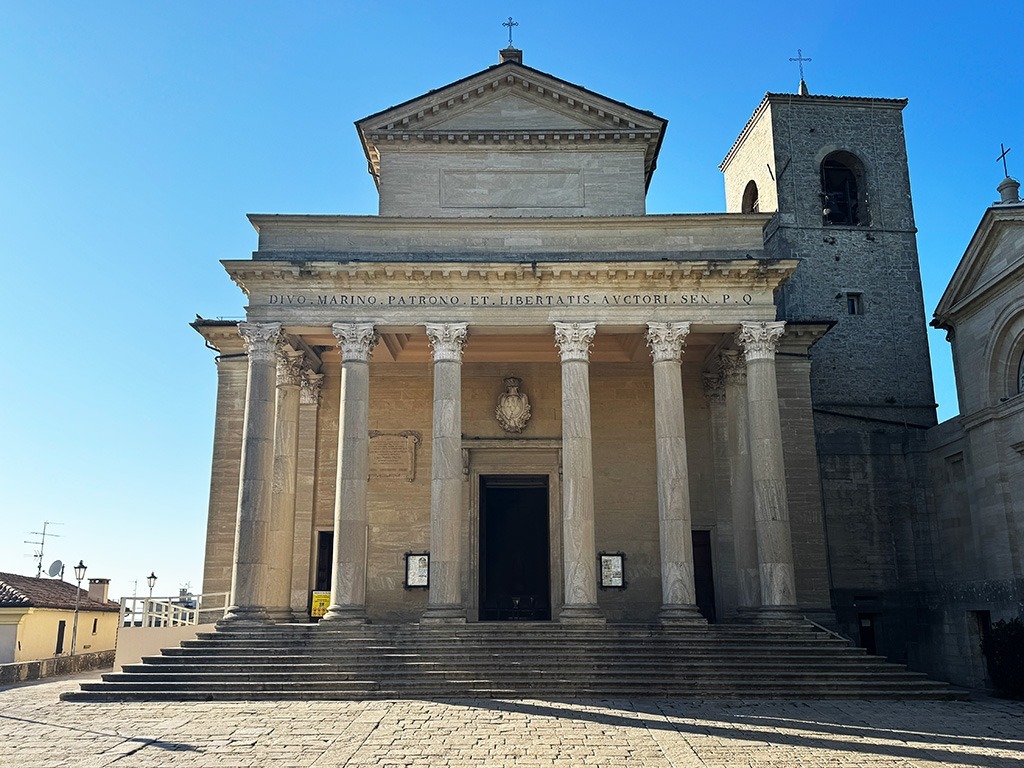
Rimini is also a great base to visit San Marino from, the second microstate within Italy’s borders (the other being the Vatican) – a great day out for families looking for something a little different
Rimini’s old town is also ripe with history; there are numerous significant Roman ruins which showcases the city’s importance at the official end of the Via Flaminia ancient highway, running north out of the Eternal City.
You’ll find a small airport in Rimini which offers flights to other Italian cities, as well as some UK and European destinations. Visitors from beyond will need to connect via another flight, or arrive in Rimini from train or road.
Diano Marina, Liguria
Liguria is a region often overlooked by visitors coming to Italy, who tend to focus on the ‘headline’ cities and regions of Rome, Florence, Naples and Venice.
It wasn’t until the summer of 2025 that I first visit Liguria and spent a good amount of time here, and what I found was a region full of amazing scenery, friendly people and delicious food.
We visited Diano Marina, a small town on the coast of Liguria, approximately 115km from Genoa (the regional capital). When we arrived it became immediately obvious that this town was a welcoming place for tourists, but in particular, for families.
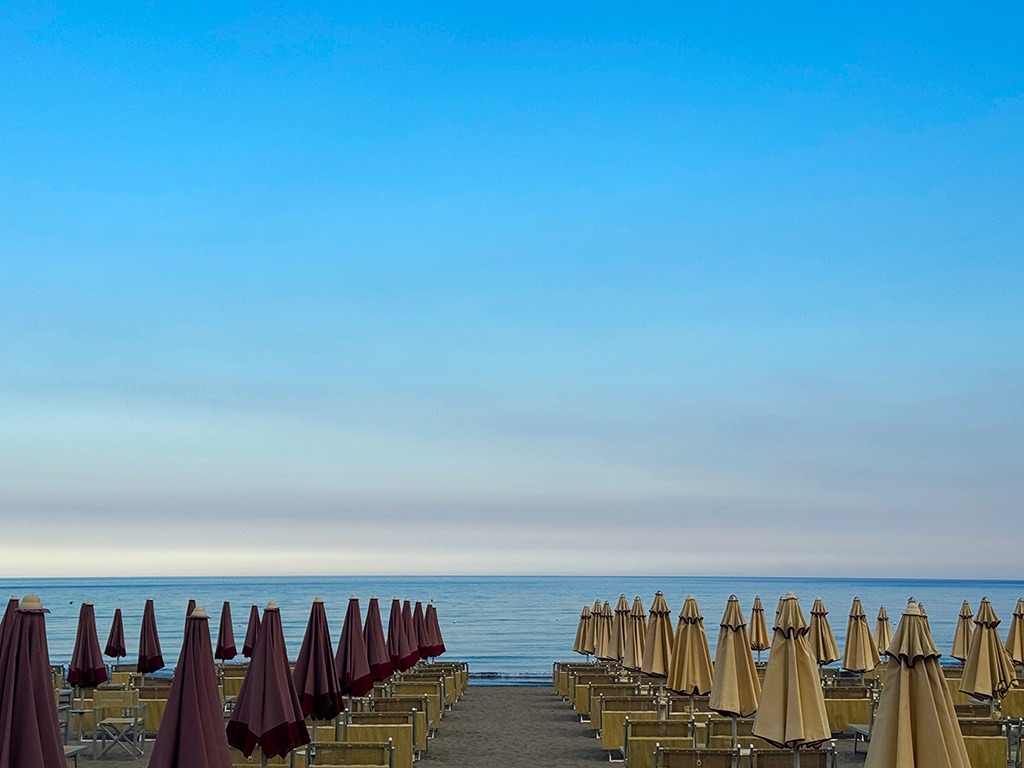
This peaceful stretch of the Ligurian coast offers the perfect place for families to have fun away from the big crowds of much of Italy’s coastline
Our hotel, Hotel Torino, was in a central location and offered everything that a family could want; a supervised pool, casual dining and easy access to the beach. The staff were fantastic in all aspects based on our experience, and we felt that any families staying here would have a fantastic time.
Arriving in Diano Marina is best via road where you’ll find it just off the major autostrada that connects this part of Italy with southern France (Nice is only 90km, around 1 hour 30 minutes drive from Diano Marina).
Budget Italy destinations
There are plenty of great places to base yourself in if you are exploring Italy on a budget – here are my top picks:
Reggio Calabria
Situated at the very end of the boot of Italy, as if ready to kick Sicily, you’ll find the city of Reggio Calabria. Statistically, the region of Calabria is one of Italy’s least wealthy regions, but that doesn’t make it any less enjoyable. In fact, where it means that accommodation costs are lower than the national average it makes for a great base for money-concious travellers.
Reggio is a small city full of hotels and rental options making finding somewhere easy. Our go-to place when visiting Reggio Calabria to stay at is Maison R Boutique, located only 10 minutes walking from the centre of the city and with off-road, private parking.
Eating out in Reggio Calabria very reasonable in price, without having to sacrifice on quality. You’ll also find that getting around the city and visiting key sites such as the Museum of Magna Grecia modest in cost.
As the capital of the Calabria region, Reggio is well connected to the rest of Italy. It is at the end of the mainland autostrada network, and the main train line which links it directly with Naples, Rome and more. You’ll also find a small airport (with mostly domestic routes) here, and ferry services to and from Messina in Sicily.
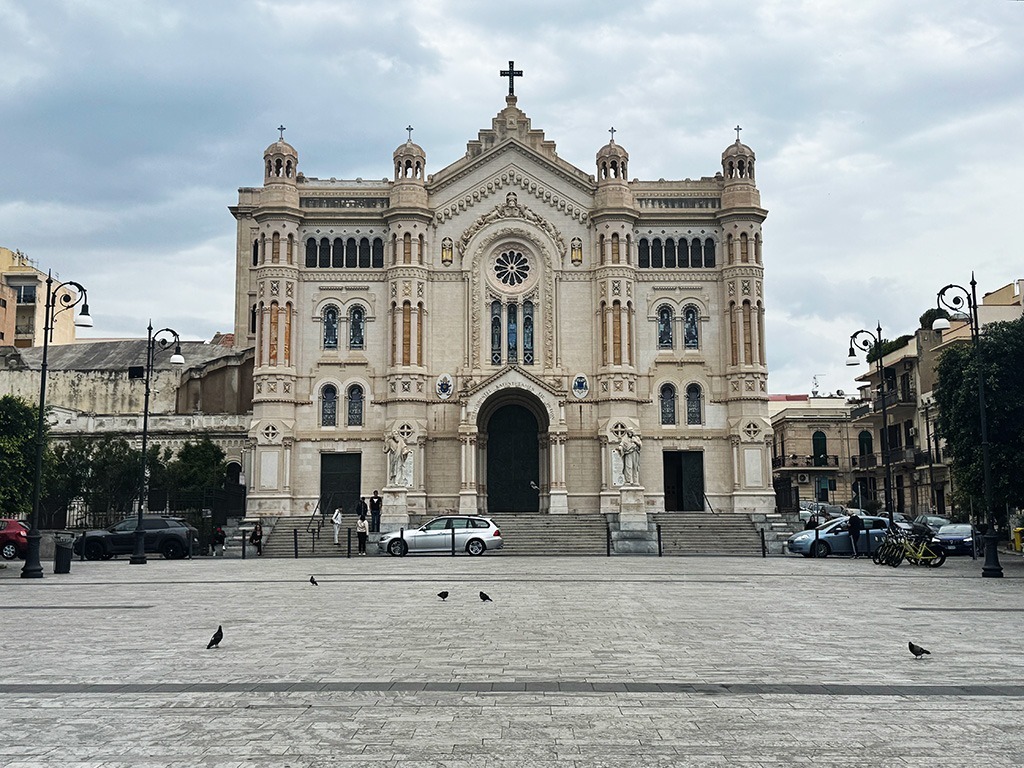
Reggio Calabria is truely one of Italy’s hidden gems in my opinion; it is a city filled with culture and history, great food, and extremely affordable to visit
Castellammare Del Golfo, Sicily
Around an hour by road from Palermo, you’ll find this medium-sized town on Sicily’s north-western coast. In all my adventures around Italy across the years, I have not found many places as affordable as Castellammare Del Golfo, considering what the town and surrounding areas offer visitors.
You’ll find large sandy beaches, picturesque villages, stunning countryside and incredible historical sites all within easy reach – every time I visit I cannot believe that it has not become more popular with visitors.
The actual town itself features a nice historic centre full of great bars, restaurants and shops, and there are even a couple of nice beaches within easy walking distance.
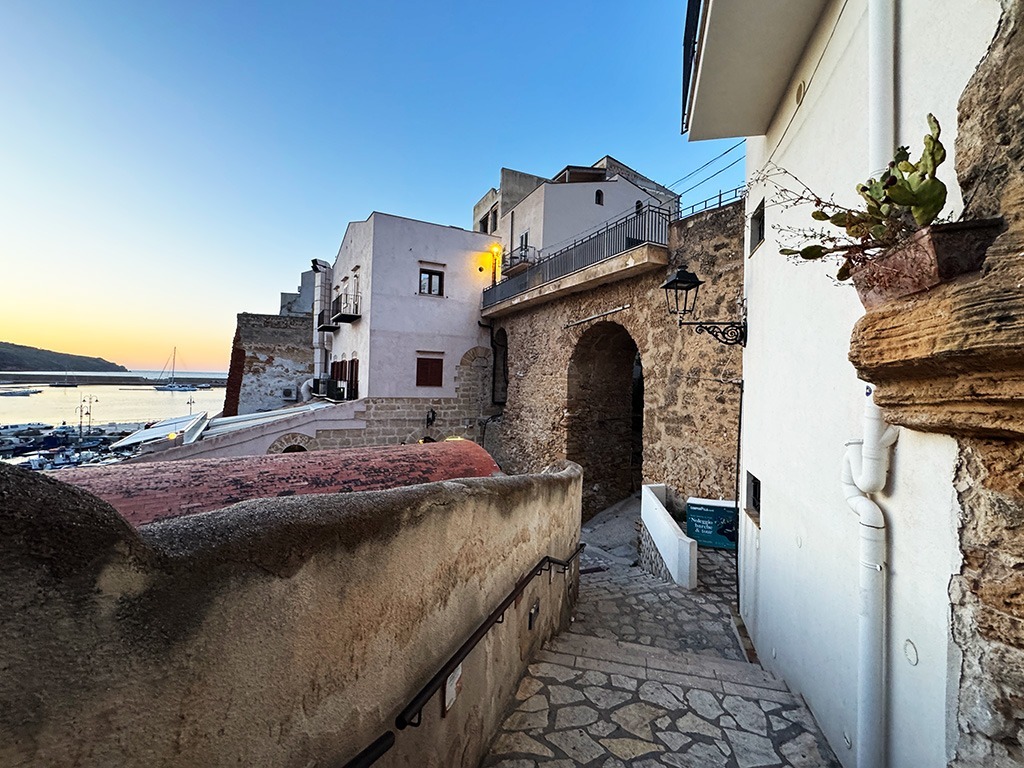
I love spending my time here exploring the ancient streets around the port area
My take is that the afforability of this part of Sicily is tied to the fact that to get to the town, and explore the wider area easily, you need a car. There are few public transit links to and from Castellammare Del Golfo from other parts of Sicily, and only a simple bus network locally for getting around.
Admittedly, renting a car might make a visit here less affordable overall, but if you are travelling in Italy with your own vehicle, consider a stay here to enjoy this under appreciated corner of Sicily.
Ostia (Rome), Lazio
Located around 45 minutes by road/rail from the centre of the Eternal City, with a direct train link that connects to Rome’s metro link, Ostia on the Lazio coast makes a great choice for budget-conscious travellers who want to visit Italy’s capital without breaking the bank.
Hotels and apartment rentals are far cheaper per night here compared to the centre of Rome, and with immediate Fiumicino airport less than 30 minutes away, staying here is also convenient and low-stress.
The central area of Ostia is full of great bars, restaurants, and offers visitors immediate access to some of the region’s top beaches and cleanest waters. Admittedly I’m biased as I have lived here since 2021, but if I didn’t believe Osita was a valid recommendation for travellers coming to Italy, I absolutely wouldn’t include it in this guide.
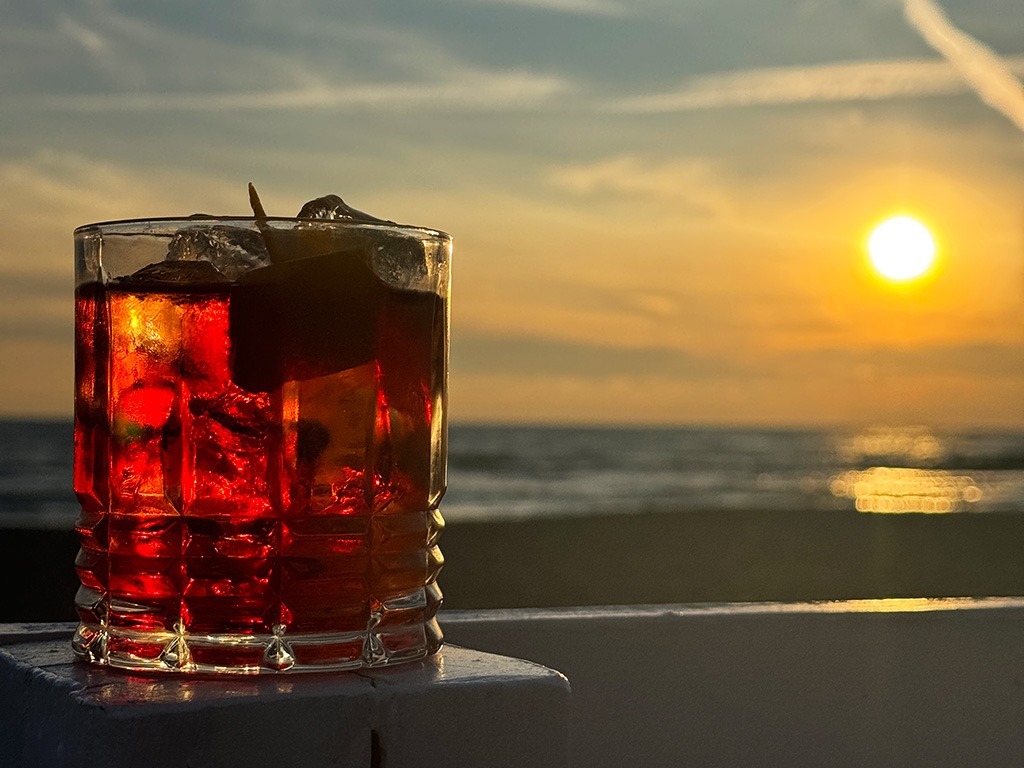
If I’m not travelling, there is a 50/50 chance I’m at home or I’m at the beach in Ostia enjoying a coffee or aperitivo, writing content for this website
Luxury Italy
If you’re looking for a high-end experience when travelling in Italy, consider one of the following locations for your trip:
Capri, Campania
The island of Capri is the epitome of La Dolce Vita, The Sweet Life – it’s reputation as a place of outstanding natural beauty and exclusivity has attracted the rich and famous for over 2000 years.
Roman emperors once vacationed here, and more recently (in the grand scheme of things) it was a preferred relaxation spot for Winston Churchill after World War 2.
Capri is home to some of Italy’s most iconic and highest quality hotels along with some of the best restaurants and shopping options for visitors anywhere in this country. Located in the Bay of Naples, it is close to another equally as desirable and exclusive area; the Amalfi Coast.
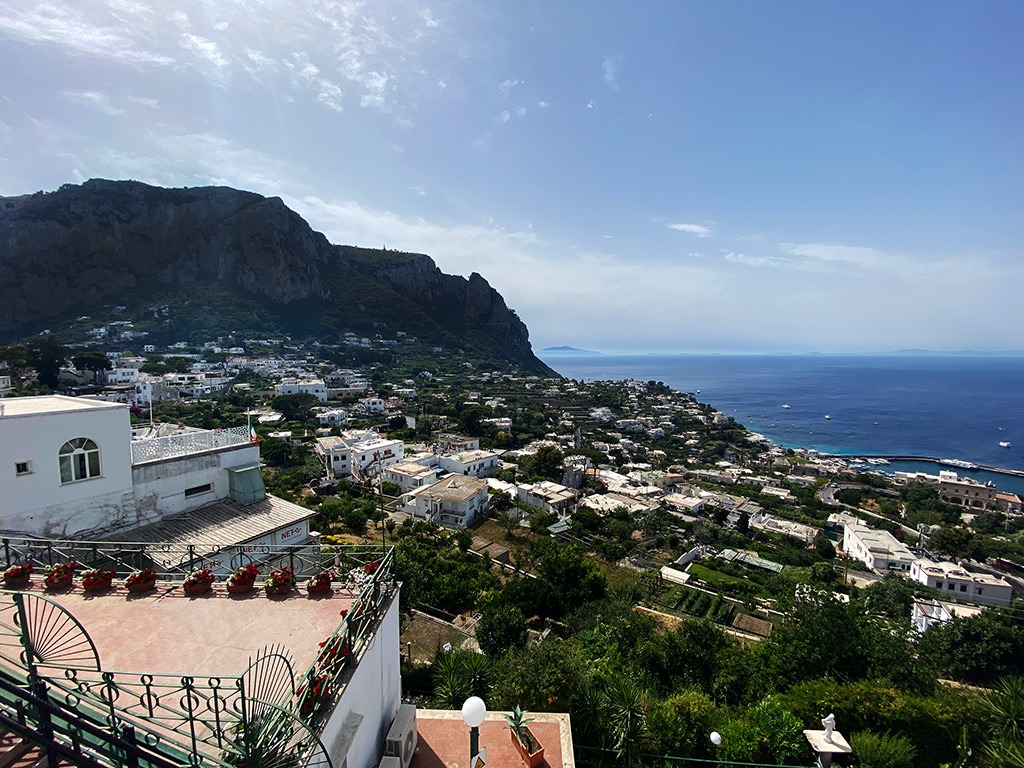
When you arrive in Capri you’ll quickly understand why the island has attracted the high and famous across the milleniums
To get to Capri you’ll first need to get to Naples. Naples International Airport offers connections within Italy, Europe, and to and from the UK and US. From Naples you can either take a ferry, private boat transfer, or a helicopter to reach Capri.
For a detailed overview of where to stay in Capri, take a look at my dedicated guide here on Napleswise:
Taormina, Sicily
Taormina, perched high on Sicily’s cliffs looking at out the Ionian Sea, has been a favourite destination for travellers since the days of the Grand Tour. More recently, it has re-found fame where it was the setting for the White Lotus Season 2.
The city centre features some of the most famous Italy hotels, such as the San Domenico Palace with it’s iconic terraced gardens, and makes the perfect base for anyone wanting to soak up some Dolce Vita, Sicilian style.

Taormina has been a symbol of Italian high-life for 2000+ years
This small city offers everything a visitor could want; great places to eat and drink at, access to pristine beaches, and connections to famous locations such as Ortigia and many more. One of my favourite things to do in Taormina is to pass time by people watching in Piazza IX Aprile with Mount Etna as a backdrop.
Taormina is easy to get to, as it is directly connected to one of Sicily’s main motorways, and also a rail link. The closest major airport is Catania Vincenzo Bellini, which is roughly 1.5 hours away via car or train.
Taormina really is one of the most wonderful places in Italy in my opinion – to find out more and understand why I think this, read my detailed guide here, and learn about the best areas to stay in Taormina in this guide.
Costa Smerelda, Sardinia
In the northeast corner of Sardinia, you will find one of Italy’s most desirable locations; the Costa Smeralda, or Emerald Coast.
This area draws wealthy visitors from across the world who come here for the famed seclusion, private beaches, luxury hotels, and general fine living.
Beyond the famous 5 star hotels and resorts, you’ll find some of the best restaurants in Italy in this area, as well as breathtaking natural beauty waiting for you to discover and enjoy. By staying in this area you are perfectly situated to explore more of Sardinia, including my favourite town on the island, Alghero.
To get to the Costa Smeralda you’ll first need to get to Sardinia, either by ferry (from the Italian mainland or France), or via the air to Olbia, Alghero or Cagliari airports. The closest is Olbia, roughly 30km from the main towns of the Emerald Coast.
If you’d like to know more about staying in in Sardinia check out my complete guide here.
In conclusion
Nowhere else in the world offers the variety that Italy does to visitors. I first visited Italy in 2013 and moved here in 2019, and while I have visited all twenty of this country’s regions, yet I barely feel I have scratched the surface.
The recommendations included in this guide are based on my own personal experiences and I hope they prove useful in helping you to decide where in Italy to visit. If you have any questions or want to know more about a particular region or city, don’t hesitate to contact me.