By: Warren George
Published: March 24, 2026
Last updated: July 17, 2026
Genoa, Italy, is the regional capital of Liguria and the largest city on Italy’s northern Tyrrhenian coast. It is one of Italy’s most important port cities and is home to one of the largest historic centres in Europe, famous for narrow medieval streets, noble palaces, and Ligurian cuisine that reflects the region’s connection to both land and sea. Let me share you with you everything to know about planning a trip to this captivating city.
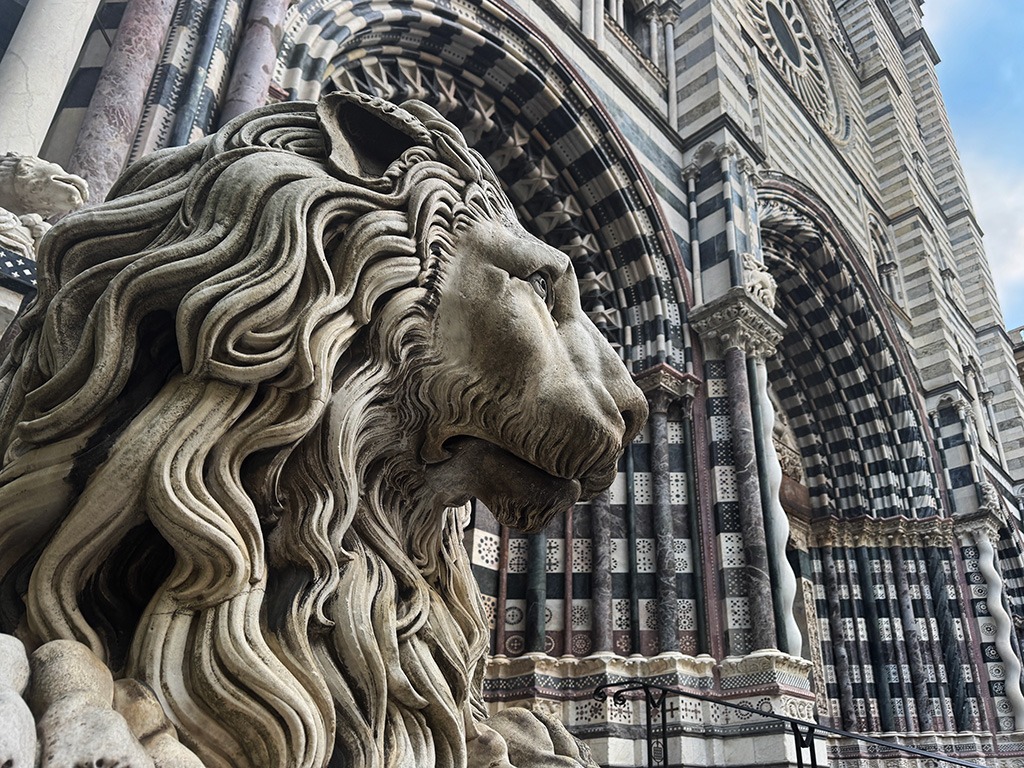
Tucked between sea and mountains, Genoa is crammed full of everything that makes Italy great including history, art, culture, food and wine
A complete Genoa guide for first-time and repeat visitors
For many travellers, Genoa is not the first city that appears on a typical Italy itinerary. Visitors often pass through on their way to the Italian Riviera, nearby Portofino or the villages of the Cinque Terre without realising how much Genoa itself offers those who take time to get to know the city.
I have to admit that I fell into this camp until recently, having not spent any meaningful time in the city and simply treating it as a stopover while in northwest Italy. After dedicating the time to get to know this city and the nearby area well, let me share with you:
Who is this guide for?
This guide has been written primarily for first-time visitors to Genoa, but it will also be useful for travellers returning to the city who want a clear and up to date overview of what to see, where to stay, and how to navigate the city center and of course, where to eat and drink. All recommendations and practical guidance are based on my own experiences of exploring Genoa and Liguria.
Key facts about Genoa, Liguria
Genoa is the capital of the Liguria region in north-western Italy and one of the country’s most historically important port cities. Let me share some quick facts to help you understand this city and the insights included in this guide:
Genoa or Genova?
The official name of the city in Italian is Genova, but in English it is referred to as Genoa. In this guide I mostly refer to the Ligurian capital as Genoa, but if you see Genova, know that it’s the same place. Genoa also has a nickname, La Superba, meaning “The Proud One”, a nickname reflecting the wealth and prestige the city enjoyed during the height of the Genoese Republic.
Where is Genoa located?
Genoa’s location is on the Ligurian Sea in north-western Italy, between the Ligurian Mountains and the Mediterranean coastline, around 160 km from the border with France. Its setting between the sea and the hills is one of the things that makes this part of northern Italy feel so distinct, and gives the city immediate access to both the Ligurian coast and the wider Italian Riviera.
What is the population of Genoa Italy?
The most recent estimates put Genoa’s permanent population at around 560,000, making it Italy’s sixth most populous city.
How big is Genoa?
The city of Genoa covers an area of 240.29 km2, making it almost identical in size to my home town in the UK; Bristol, and a little smaller than Orlando in the USA.
Why visit Genoa Italy?
By the fact you’ve landed on this page, I would assume you’re planning a trip to Genoa, or are at least curious to understand more about the city. I’d recommend running with that intention, as while Genoa is not as polished as Milan, or as grand as Rome, this historic city is one of Italy’s best kept secrets. It is a city full of history, the nexus of an entire region which is home to one of my favourite Italian regional cuisines, and a gateway to some of the most dramatic coastline anywhere in the country in Cinque Terre and the Italian Riviera.
A brief history of Genoa
Genoa’s history stretches back more than two thousand years, but the city reached its greatest prominence during the medieval and Renaissance periods when it became one of Europe’s most powerful maritime republics.
This is detailed below along with other insights about Genova’s past, but if you are familiar with the history of this city already or more interested in visit practicalities, click here to jump to the next section.
Pre-antiquity and Roman Genoa
Evidence of human settlement in the Genoa area shows that people lived here more than 6,000 years ago.
The Ligures peoples (who we owe the regional name of Liguria to) established settlements here long before Roman control, and it was not long before the city’s strategic importance was noticed by Rome as they expanded their influence across the Italian peninsula.
Rome took control of the city in 205 BC, during the period of the Second Punic War, developing it as a useful port and settlement on the north-western coast of Italy. Unfortunately not much of Genoa’s ancient Roman past is still visible today. The best place to understand more about ancient Genoa is at the Ligurian Archaeological Museum, in Pegli, a short journey from central Genoa by train, taxi or bus with an average travel time of around around 45 minutes to an hour.
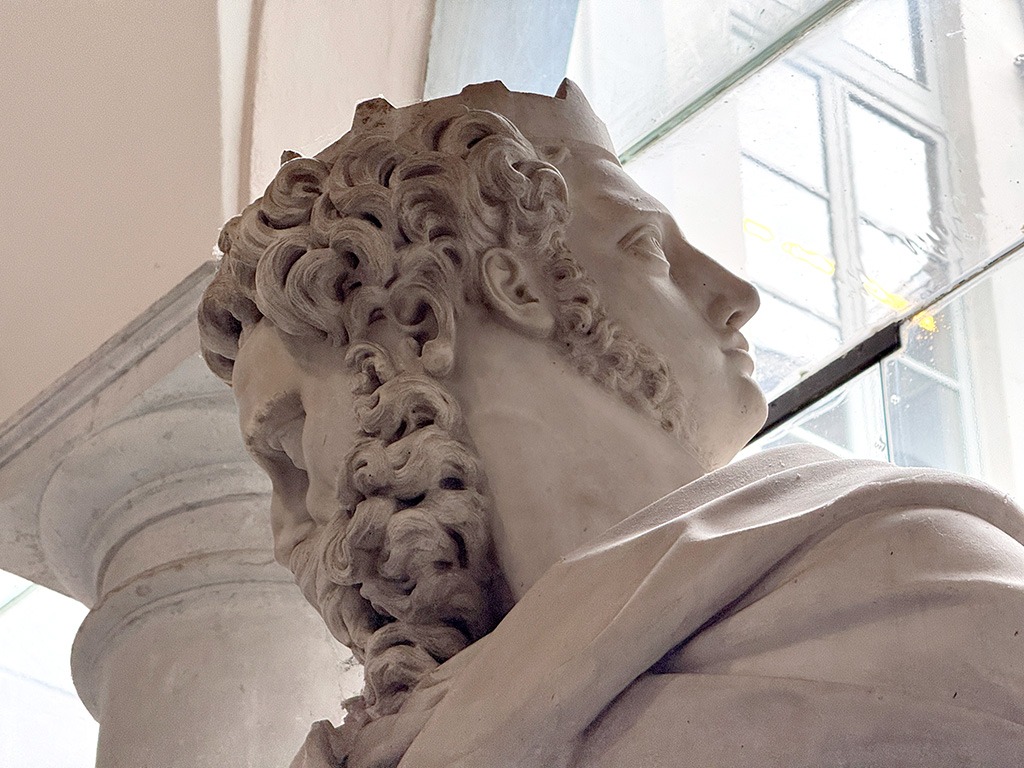
Genoa’s ancient history is often linked to the Roman god Janus, patron of doorways and gateways – an apt symbol for a port city that has welcomed travellers for millennia
Post-Rome and early medieval period
Following the collapse of the Western Roman Empire in the mid-400s, Genoa, like the rest of northern Italy, came initially under the control of the Ostrogoths, who were subsequently ousted in 553 by the Eastern Roman emperor Justinian during his campaigns to reclaim lost Roman territories.
At this point in time Genoa was little more than a large coastal town, which meant that many of the major powers of the era paid little attention to it. The Genoese used this to their advantage to slowly expand their trade network across the western Mediterranean, ultimately becoming one of Italy’s key trading centres.
This wealth inevitably attracted attention, and in 934/935 Genova was sacked by a Muslim Fatimid fleet, who at the time were expanding their own influence in the Mediterranean, including over Sicily.
”Arriving in Genoa you will see an imperious city, crowned by rugged mountains, proud of men and walls, lady of the sea.
Francesco PetrarcaItalian Scholar & Poet
The Crusades, the rise of the Genoese Republic, and St George
Genoese control and influence over the Mediterranean expanded rapidly in the first centuries of the new millennium, when they contributed ships and soldiers to the First Crusade of 1096–1099, the Christian campaign to conquer the Holy Land.
It was during this period that Genoa adopted St George as its patron saint. Genoese soldiers involved in the Crusades believed the saint had protected and guided them during the religious conflicts. The city also adopted the now famous red cross on a white background as its official flag and banner, which ultimately became associated with Saint George too, as it did in England.

Keep an eye out as you explore Genoa for the city’s famous flag – the red cross on a white background (left above), and portrails of Saint George slaying the dragon (center above) – this image shows the facade of Palazzo San Giorgio
Using their trading network and knowledge stretching from Italy to the Middle East and the Black Sea, Genoese merchants set up numerous outposts and negotiated agreements with the major powers of the time. This generated enormous wealth for the city, which was funnelled back to Italy, and saw Genoa transformed from a small coastal town into one of Italy’s most important cities.
This success generated further unwanted, for the Genoese at least, attention. This time coming from the city and Republic of Venice, the other great maritime trading power of Italy. Venetian and Genoese merchants competed for the same trade opportunities, and it was not unusual for the two cities to be in conflict in the pursuit of profit. This period of maritime commerce and Genoese participation in the Crusades played a defining role in Genoa’s history and in shaping the city’s later importance.
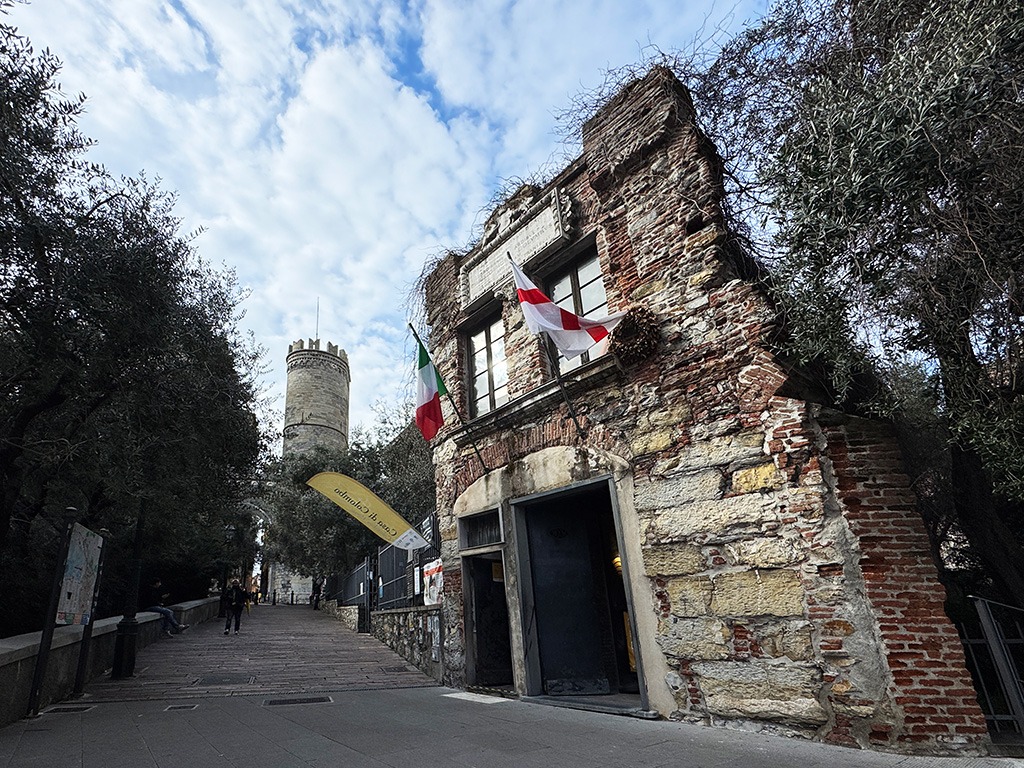
The famous explorer Christopher Columbus was born in Genoa in 1451. It is still possible to visit a reconstructed version of one of his homes in the city today.
More money, and more problems
In the 1400s and 1500s, Genoa became a centre of banking much like other major Italian cities of the day such as Florence. Genoese bankers were renowned for their business acumen, and with increasing Spanish influence in Italy, notably in neighbouring Milan, the banks of Genoa were major funders of Spanish expeditions in the New World.
Genoa’s collaboration with Spain was lucrative and further enhanced the prestige of the city’s richest families. It was during this time that these aristocrats built grand residences along newly constructed streets in the city centre.
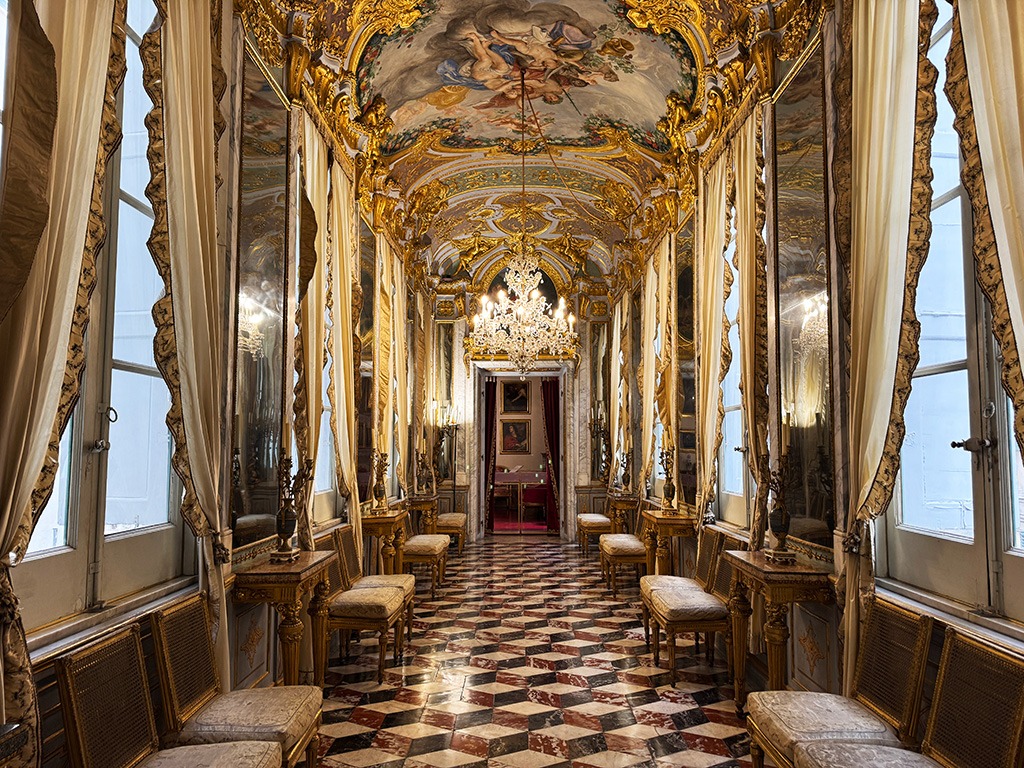
These noble palaces later became known as the Palazzi dei Rolli, a network of noble residences that hosted visiting dignitaries.
However, nothing lasts forever. While things were going well for Genoa in the Americas, back home their core trading business in the Mediterranean suffered with the expansion of the Ottoman Empire, who conquered much of Genoa’s eastern Mediterranean outposts.
The 1600s and 1700s were a period of decline for Genoa, when the city warred with its neighbours and had to fight rebellions closer to home. Genoa lost control of Corsica in 1768, and following Napoleon’s invasion of Italy in 1797, and his subsequent defeat in 1815, Genoa and the region of Liguria were ceded to the Savoy royal family and the Kingdom of Piedmont-Sardinia.
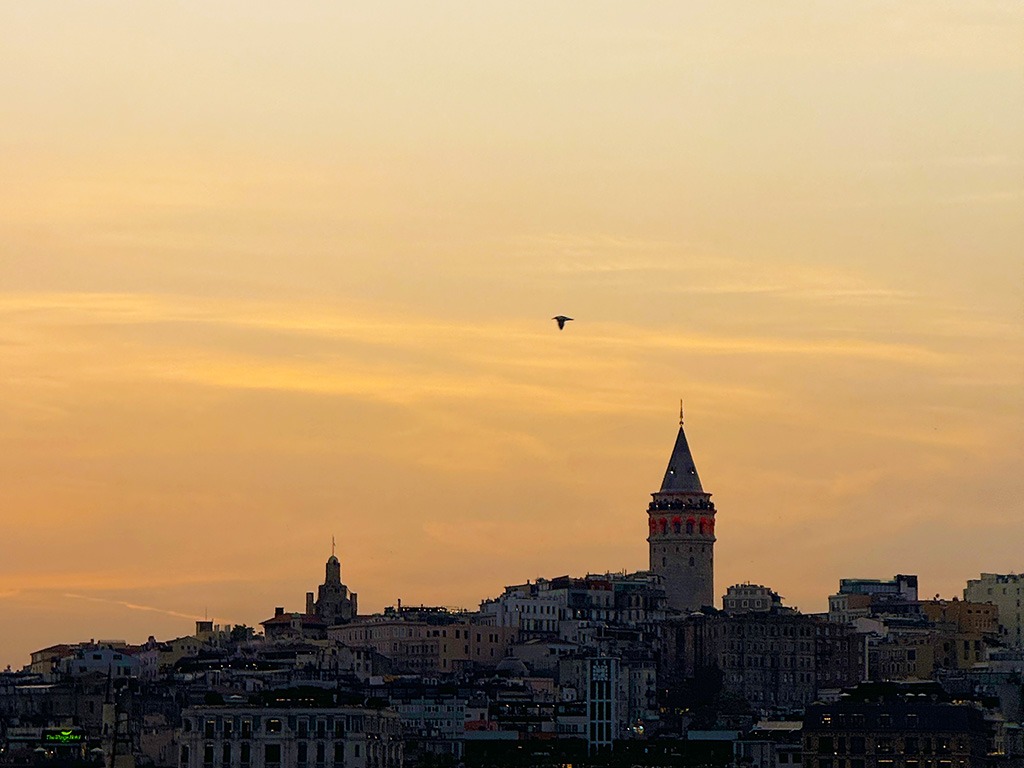
The Genoese also lost their valuable colony in the city of Constantinople, modern-day Istanbul, after the Ottomans conquered the city in 1453. The Galata Tower (pictured above), constructed by the Genoese in Constantinople, is still standing today as a testament to Genoa’s trading legacy
Italian unification, the 20th century and modern Genoa
The Savoys went on to unify Italy through the course of the 19th century, completing this process – known as the Risorgimento in Italian – in 1870 when they wrestled control of Rome from the Papal States.
During the 1800s, owing to its maritime legacy and strategic position close to the French border, industry and commerce rapidly expanded in Genoa, continuing into the twentieth century.
As a centre of Italian industry and as a major naval base, Genoa was a target of Allied bombing in World War II, and while the city was not as extensively bombed as other parts of Italy, large areas were damaged and subsequently redeveloped following the war.
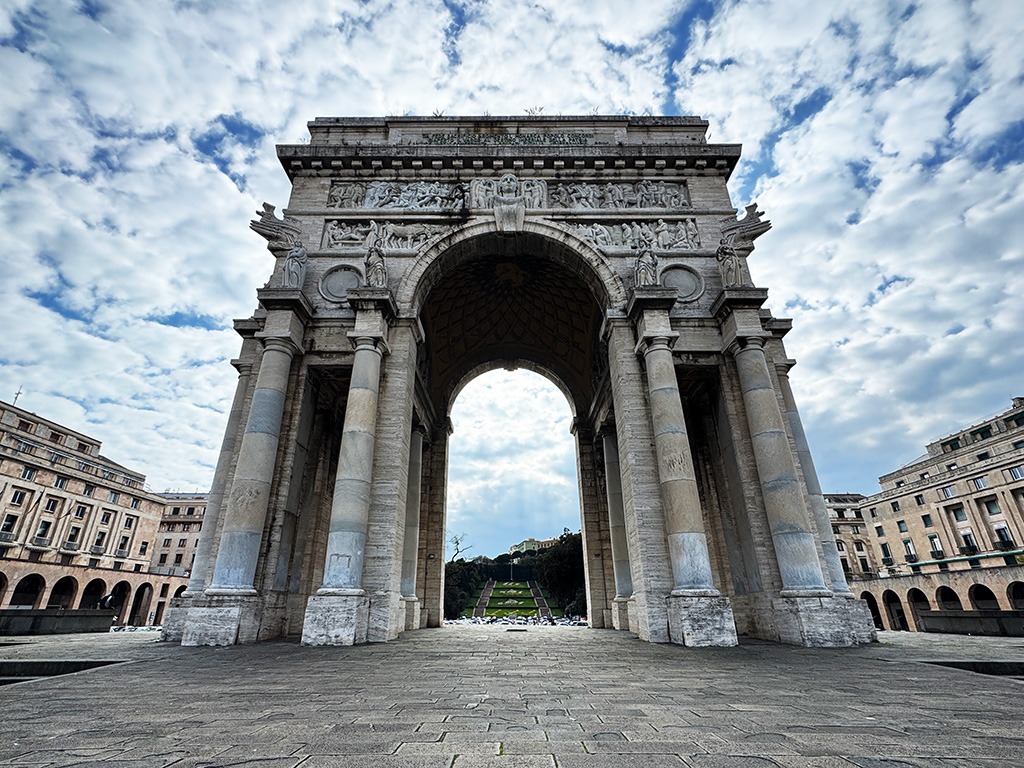
The Arch of Victory close to Brignole station is one of Genoa’s principal monuments from the early 20th century. It was inaugurated in 1931 as a memorial to fallen Italian troops during World War I. Piazza della Vittoria, where it stands, is also one of the city’s principal urban reference points in the more modern part of Genoa
In the modern era Genoa’s position has remained that of one of Europe’s most important ports, and it is still Italy’s busiest commercial port. Beyond commerce, it is a major ferry and cruise hub, which brings visitors to the historic city from all over the world.
As the capital of Liguria it is a focal point for Italians and tourists exploring the Italian Riviera, Cinque Terre and nearby Portofino.
Getting to and from Genoa
Trains to and from Genoa
Genova is fully integrated with Italy’s reliable and efficient train network, serving as Liguria’s main rail hub and making getting to and from the city via rail very easy.
The city centre features two major train stations, and while there is a lot of overlap with the services and connections at both, it is worth familiarising yourself with each if you’re planning to visit Genoa and Liguria by train:
Genova Piazza Principe station
Genova Piazza Principe station (pictured below), located around 1 km/15 minutes on foot from the historic centre, is the more convenient of the two main stations for most visitors staying in or around the old town. Located just outside the historic centre, it provides easy access to the old city, old harbour and harbour area, and is served by a mix of regional, Intercity and longer-distance services.
To find out more about using Italy’s efficient and reliable rail network, including tips on booking tickets, navigating major train stations and the key operators, read my detailed guide here:
Genova Brignole station
Brignole station is a little further from the historic centre, around 1.5–2 km depending on exactly where you are heading, and is generally more convenient for the eastern side of the city and for travellers staying nearer the modern shopping districts around Via XX Settembre. It is also very well connected, with regional and national services passing through regularly.
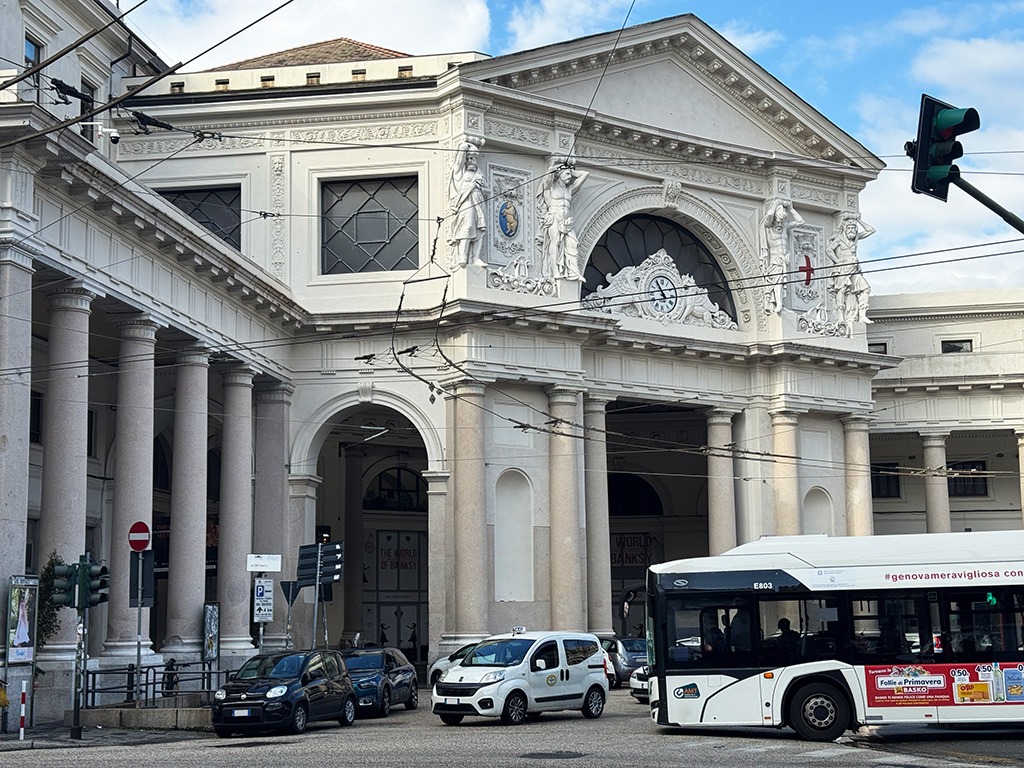
Both stations are connected to Genoa’s metro network, and many local, regional and longer-distance train services pass through each. A train ride between the two takes around around 5–6 minutes.
Depending on where you are staying in the city, either can be a good option for getting to and from Genoa. If you are planning onward day trips towards places such as La Spezia, the eastern Ligurian coast or the Cinque Terre, Brignole station can at times be particularly convenient.
Of the two stations I prefer Piazza Principe and will transit to and from here if I have a choice. I have nothing against Brignole, but personally prefer the fact that Piazza Principe is very easy to navigate and that it is closer to the historic centre. One of my favourite restaurants in Genoa is also just a few minutes’ walk from the station, which may also have something to do with my preference (more on this below).
Driving to Genoa
As the last major city on the A10 autostrada connecting north-west Italy to France, and with the A7 linking the city to Milan and the north, driving to Genoa is straightforward no matter where you are coming from.
In my experience, having a car in Genoa to visit certain areas of the city and the surrounding region can be more convenient than in larger Italian cities such as Milan and Naples, particularly if your plans include heading beyond the city itself.
This said, there is one very important thing to be aware of if you are planning to drive to Genoa:
Genoa ZTL
Like many Italian cities, large parts of the historic heart of Genova feature a ZTL – Zona Traffico Limitato, a restricted traffic area – for most drivers. This is in place because of the limited space in the old streets and to reduce congestion and pollution.
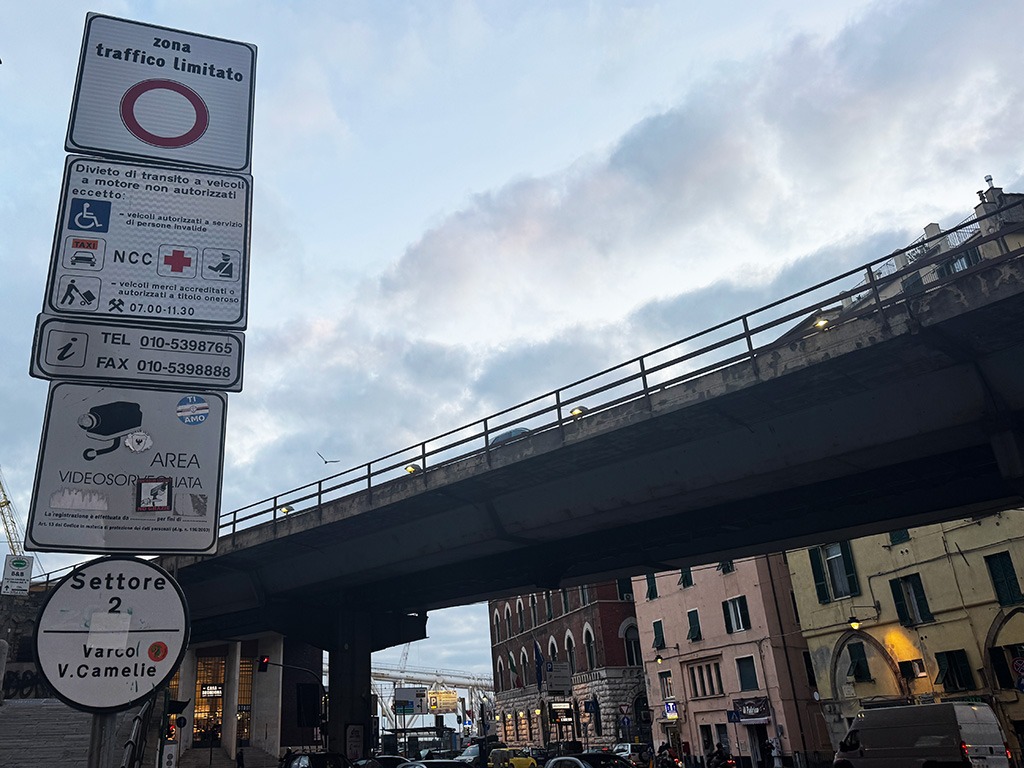
Genoa’s ZTL is strictly enforced, meaning any unauthorised access to the zone will normally result in a fine, either on the spot or later by post.
With this in mind, if you’re driving to Genoa, I would not recommend staying in the central historic area where the Zona Traffico Limitato is active, unless you are happy to park your vehicle some distance away, outside the ZTL. Some hotels may be able to arrange temporary access by registering your vehicle details, but this should never be assumed and should always be checked in advance. If you are looking for a reliable and convenient car park in Genoa, consider Park Porto Antico – Autosilo.
Driving in Italy isn’t half as bad as some of the stereotypes make out. By understanding a few fundamentals you can explore this incredible country by car, without the stress. Find out everything you need to know about getting on the road in Italy in my detailed guide here:
Ferries to and from Genoa
Genoa has long been one of Italy’s major ports and today it remains the country’s busiest commercial port, meaning that it is also a key ferry hub. Routes connect the city with the islands of Sardinia, Sicily and Corsica, as well as France, Tunisia and Spain via operators such as Moby, Tirrenia, GNV and others.
Ferry schedules, like flights, vary depending on the time of year and are also more subject to weather and sea conditions. For a complete overview of timetables, ticket costs and to book ferries to and from Genoa, take a look at Direct Ferries here.
Genoa’s ferry port is only around 2 km from Piazza Principe train station, and roughly 3 km from the historic centre, meaning it is straightforward to get into the city after disembarking. There are a range of buses operating between the port and the centre, and taxis are plentiful, with a drive time of around 10 minutes to the station or 15 minutes to the old heart of Genoa depending on traffic.
Flying to Genoa
Genoa is served by Cristoforo Colombo Airport, also known as Genoa Airport or Genoa-Sestri Ponente Airport, located approximately 6-7 km west of the city centre.
This is a small airport, but still a viable option for travellers looking to visit Liguria and parts of southern Piemonte, as there is a decent selection of routes to and from here from within Italy, elsewhere in Europe and the UK.
Getting to the centre of Genoa from Genoa Airport is straightforward, with a frequent shuttle bus known as the Volabus operating between the airport, the city centre, and the main train stations in Genoa. This connection takes roughly 30 minutes end to end. For the most up-to-date timetables and ticket information, refer to the official website.
Where to stay in Genoa
Compared with other major Italian cities such as Milan, Rome or Naples, Genoa is very compact, which makes finding a base straightforward in my experience.
The city centre of Genoa, the historic heart focused around the medieval town and port, takes around 20-30 minutes to walk from end to end, and the vast majority of the main sights, tourist sites and attractions are located here.
This makes this area by far and away my choice of where to stay whenever I visit Genoa, and unlike many other places in Italy, the costs for staying in the heart of the action are not hugely elevated compared with staying in outlying areas. If being in a central location matters to you, staying in the old town or around the city center is difficult to beat.
I most recently stayed at La Picconaia, which could not have been a better base. This apartment, a 15-minute walk from Piazza Principe train station, and with its roof terrace and incredible views of the Basilica of San Siro, was possibly the best equipped apartment I’ve ever stayed in while travelling, which is saying a lot. It had everything anyone could need for a comfortable stay, and the owner Andrea was on hand with fantastic recommendations, some of which have made it into this guide. I’d seriously recommend considering Andrea’s apartment for any trip to Genoa. Take a look and check availability here.
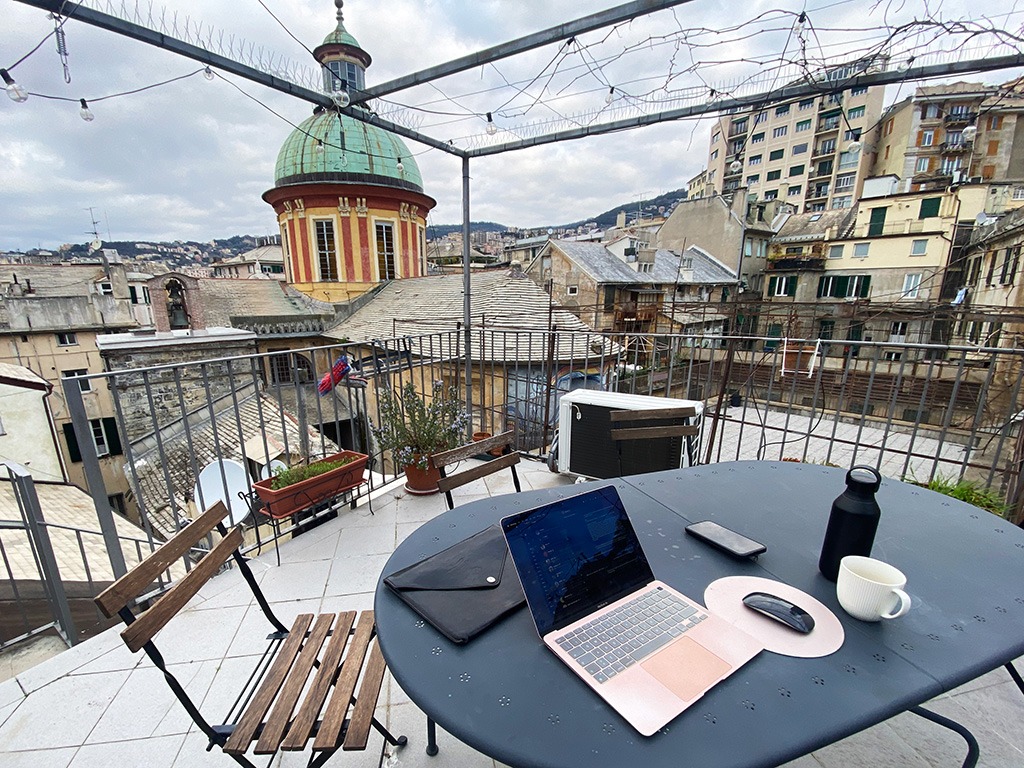
The only potential downside for some visitors would be that it’s on the top floor, with a number of stairs to reach it, but the views are worth it in my opinion
If you’re interested in finding out more about where to stay in Genoa, including an overview of the main areas, including the historic centre and beyond, plus options for outside of Genoa in Liguria, take a look at this deep-dive guide:
Getting around Genoa – public transport, on foot and taxis
Genoa’s historic heart is best explored on foot, where the furthest major points of interest are no more than around 20-30 minutes apart, and the narrow medieval streets and alleys limit the public transport options available in the very centre.
Walking Genoa’s streets also means you can get up close and personal with the city, discovering shops, restaurants, museums and churches that you may otherwise miss if you were using buses, the metro or taxis.
This said, some sights are a little out of the historic centre, and where much of the city is built on steep hills, public transport is often useful for reaching different areas and neighbourhoods. Let’s take a look at the principal ways of getting around Genova, other than walking.
Buses and metro
Genoa is one of the few cities in Italy to feature a metro system, and while it might only have one line, that does not take away from the convenience it offers visitors and residents.
Genova’s metro runs through the city centre, with stops at both Piazza Principe and Brignole station, close to the ferry port at Dinegro, and more. This makes it a very easy option to get around in the event of bad weather or when you are pressed for time and would prefer not to walk.
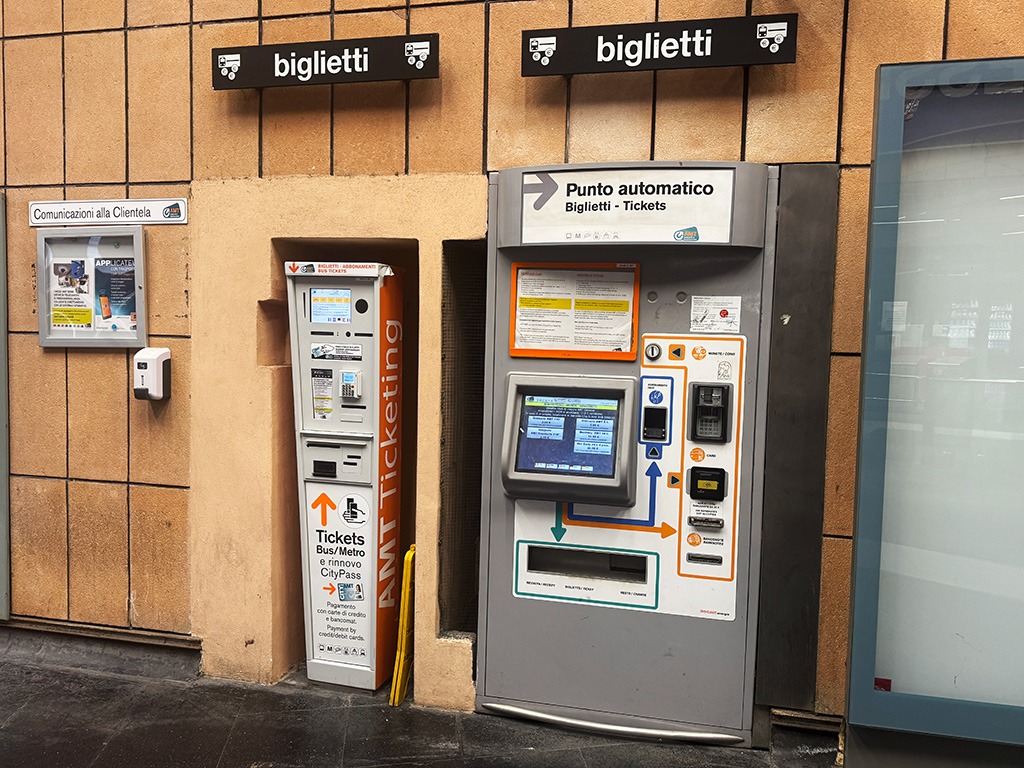
You can purchase tickets for Genoa’s public transport network via machines like this (I recommend carrying a small amount of cash for these machines), found most commonly in metro stations, as well as at tabbacherie and via the AMT Genova app
You’ll find no shortage of bus services in Genoa too, connecting the major areas of the wider city and its outlying neighbourhoods to the historic centre, train stations and ports.
Note that due to the narrow nature of Genoa’s historic alleys in the very heart of the city, bus access is not possible and there are no metro stops in the immediate vicinity of sights such as the Cattedrale di San Lorenzo or many of the most atmospheric parts of the old town.
Considering this, the most convenient location to travel to via public transport for sightseeing in the centre of Genoa is San Giorgio metro station, which is just a short walk from Porto Antico and the centro storico. Google Maps is generally reliable here for checking the best route between the main sights and outlying neighbourhoods.
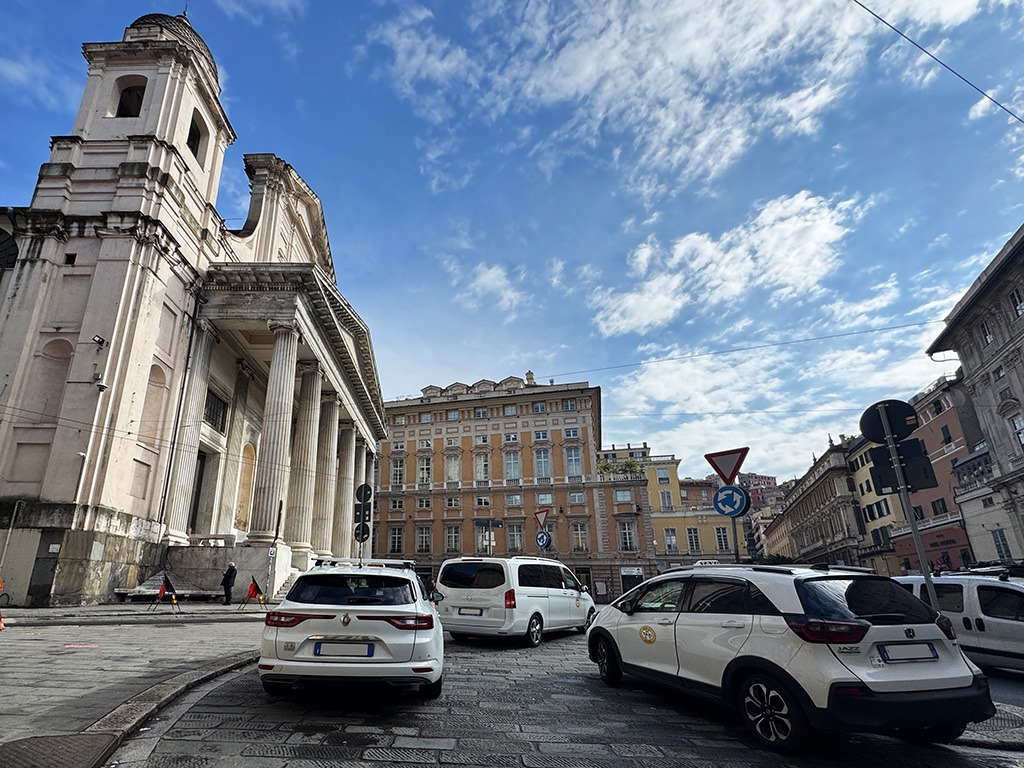
There are also plentiful taxis in Genoa with ranks dotted around the city at key locations. However, as the city is very walkable and compact, these are not a common mode of transport like they are in other Italian cities
Funiculars and elevators
Because of Genoa’s steep terrain, the city also operates several funicular railways and public elevators connecting the central areas with the hillside districts.
I find travelling by funicular a novelty and as such enjoy it a lot. In particular, I love the journey on the Funicolare Zecca-Righi, where once you come through the initial tunnelled section, the view of Genoa and the Ligurian coastline opens up as you ascend the hill.
Most of the city’s funiculars, including Funicolare Zecca-Righi, are covered by the same tickets used for the buses and metro, which simplifies exploring Genoa using public transport.
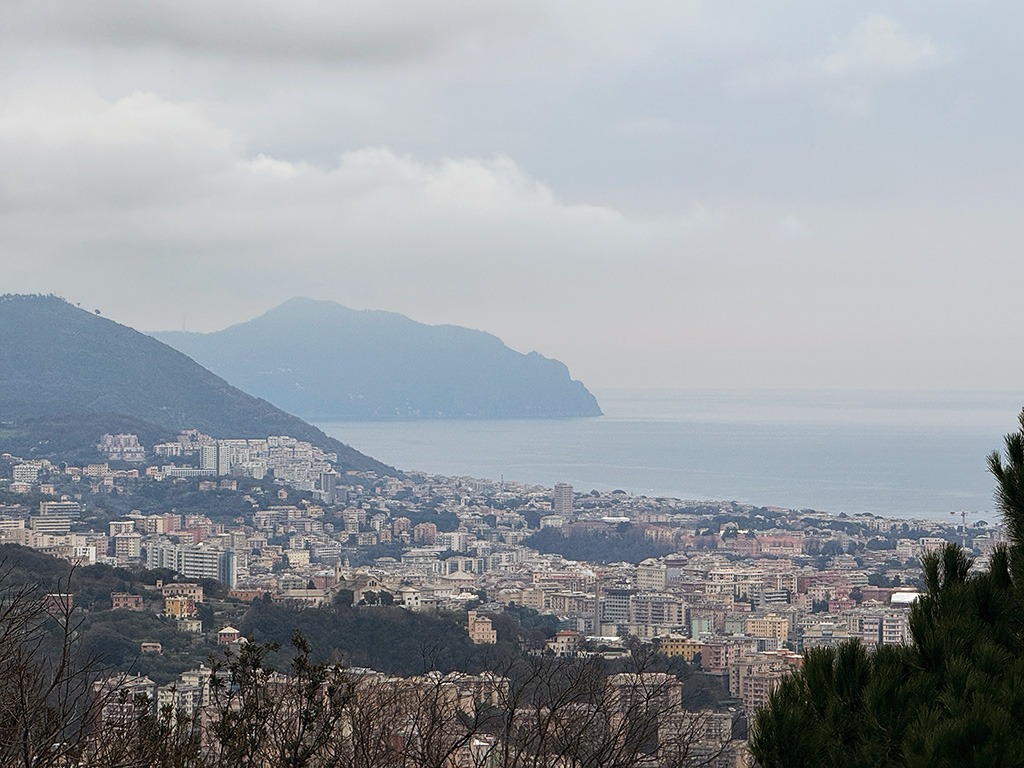
Beyond being a convenient way of getting around, using the city’s funiculars is also a great way to escape the hustle and bustle of Genoa and enjoy some incredible views of the coastline. If you are looking for a panoramic viewpoint over the city, this is one of the most enjoyable ways to reach one
What to see and do in Genoa
Genoa combines historic architecture, maritime heritage and some of the best of Ligurian food and drink. Almost all of the city’s top attractions are concentrated around the historic centre and harbour area. Here I’ll the top things to see and do in Genoa, based on my own experiences and past travels:
Exploring Genoa’s historic centre
Genoa’s historic centre is one of the largest medieval old towns in Italy. It’s characterised by a dense network of narrow alleyways known locally as caruggi, where you will find historic churches, traditional restaurants, local markets and semi-hidden piazzas. The old town, or centro storico, is where Genoa feels most itself, and where you get the clearest sense of both Genoa’s past and the city’s continuing daily life.
I love wandering these small streets, where I inevitably end up lost, though that is part of the fun. As I walk through, I love to dip into churches, pause for a coffee or glass of wine and pick up gifts (for Sara, and some times myself). Within the old heart of Genoa, here are some top sites to visit:
Cathedral of San Lorenzo / Cattedrale di San Lorenzo
The city’s cathedral, also known as San Lorenzo Cathedral, is one of Genoa’s most important landmarks, with its striking black-and-white striped facade and a history stretching back to the Middle Ages. Dedicated to San Lorenzo and formally to San Lorenzo and San Giovanni Battista, it is the most important religious building in the city.
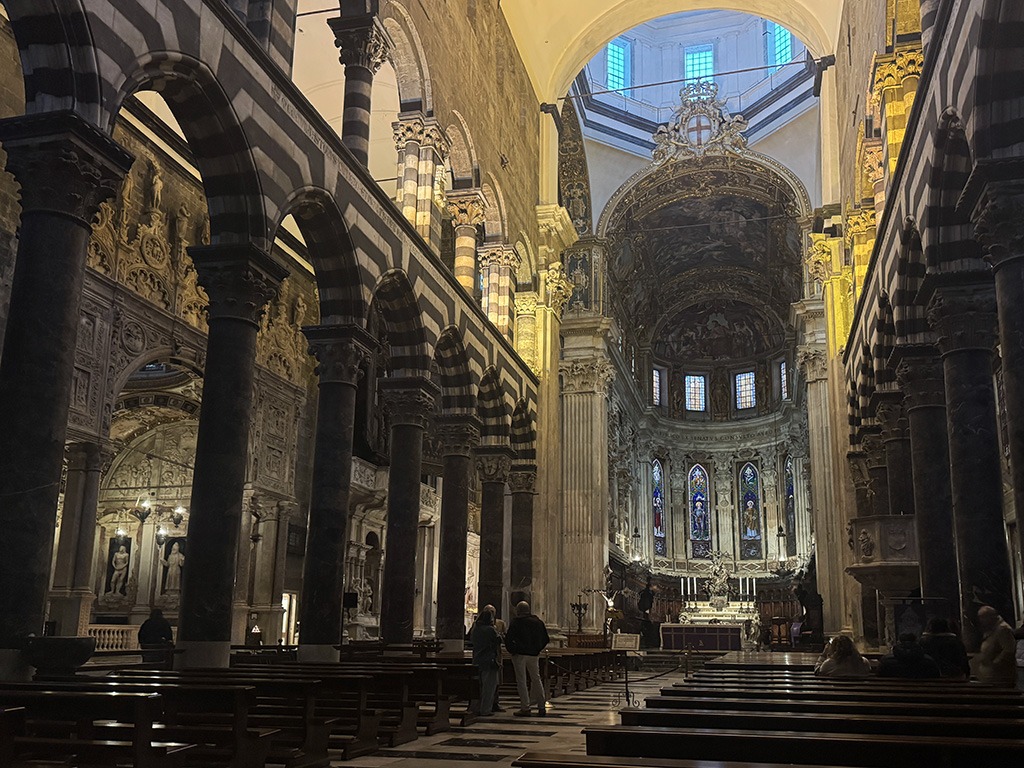
The interior of Genoa’s cathedral is equally impressive as the outside, and if you have an interest in sacred art or church treasures, the attached museum is worth considering too
Basilica of San Siro
A church that many visitors will walk past without realising how significant it is, the Basilica of San Siro has roots stretching back to the early Christian period and is one of the city’s most atmospheric religious buildings. It was previously Genoa’s cathedral, and the view of it’s cupola makes climbing the stairs to stay at La Picconaia worth it.
Piazza De Ferrari
Piazza De Ferrari is Genoa’s grand central square and the point where the older and more modern parts of the city come together. The large fountain here is one of the city’s best-known landmarks, and the piazza is framed by some of Genoa’s most important buildings, including the Carlo Felice Theater, making it a natural reference point while exploring central Genoa.
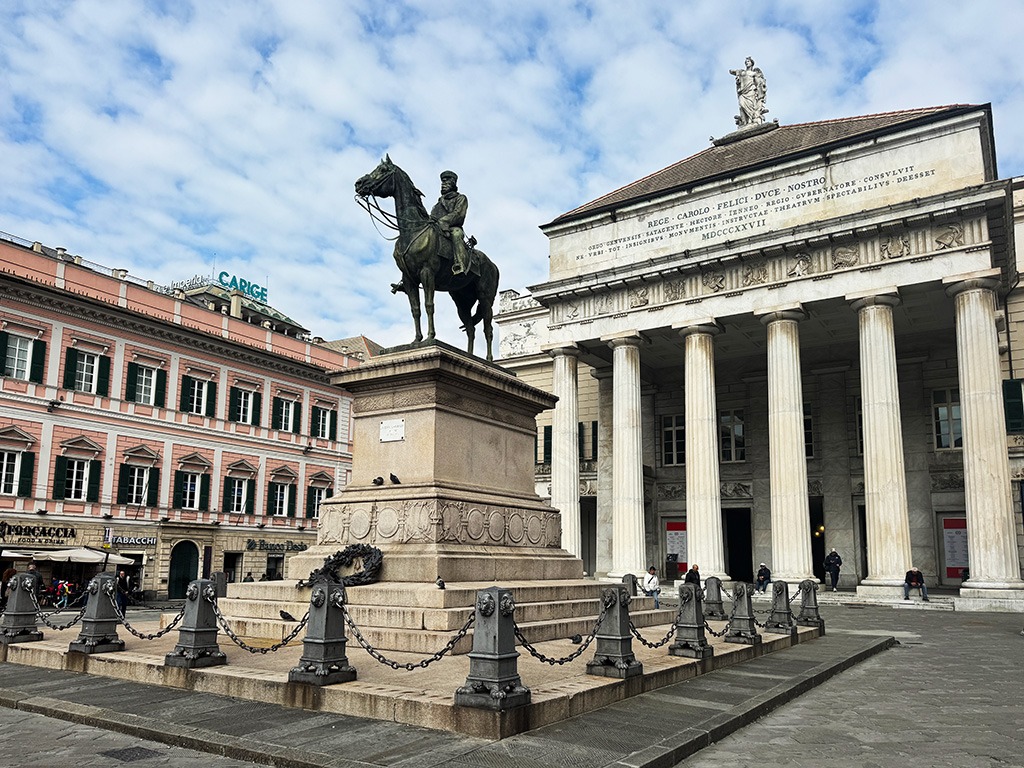
Use this large piazza at it’s monuments as a focal point of your exploration of Genoa
Palazzi dei Rolli and Musei Nazionali di Genova
If there was one thing that I had to pick that sets Genoa apart from most other Italian cities when it comes to things to do, it would be the ex-royal and aristocratic palaces found throughout the city. Yes, many Italian cities have impressive residences that were once home to the rich and powerful, some still are, but Genoa is overflowing with them.
It would be easy to visit the city and spend your entire time just admiring these time capsules and their extensive art and antique collections. To avoid this guide ending up longer than it already is, here are my top recommendations to consider visiting:
Musei Nazionali di Genova – Palazzo Reale and Palazzo Spinola
These two residences are among the best places to begin if you want to understand Genoa’s aristocratic past. The Royal Palace Museum is especially easy to combine with arrival or departure from Piazza Principe station, and Palazzo Spinola places you right back in the old city afterwards.
If you want to do both fully, allow around an hour per palace, longer if there is a temporary exhibition on. You can access both palaces with a single ticket making visits easy and affordable.
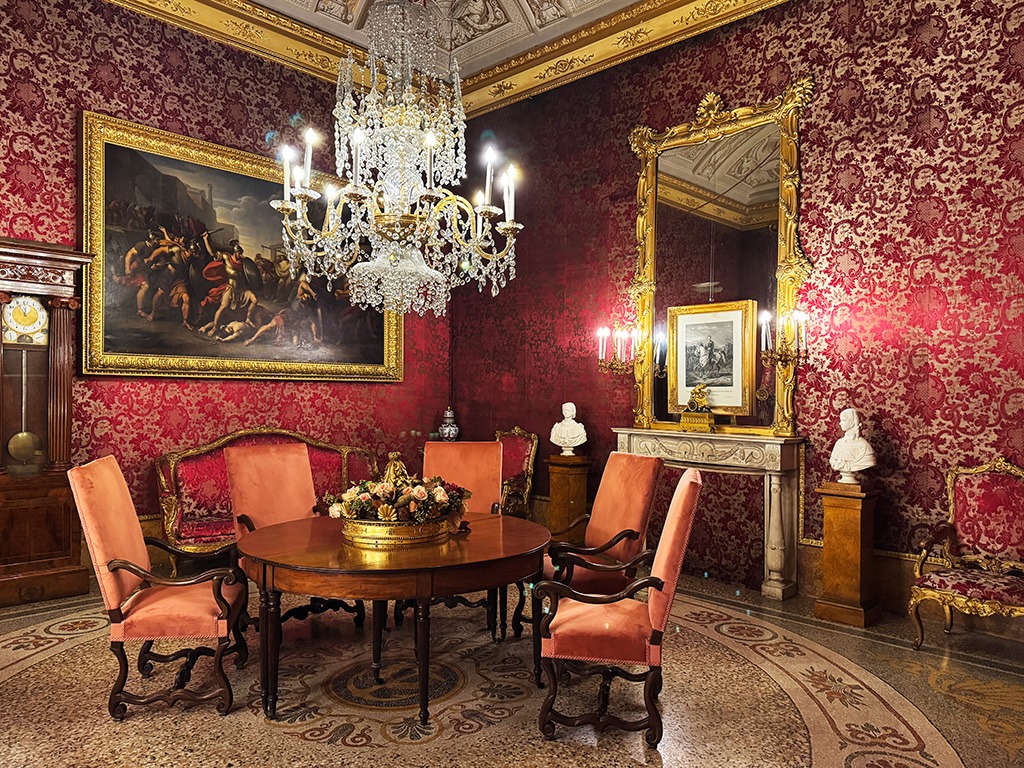
The Royal Palace on Via Balbi is the best place to visit to see how Genoa’s nobility lived during the city’s heyday
Musei di Strada Nuova – Palazzo Bianco, Palazzo Rosso and Palazzo Doria Tursi
Via Garibaldi (Strada Nuova) is one of Genoa’s most impressive streets and home to many of the Palazzi dei Rolli. These Renaissance and Baroque palaces formed part of the system used to host visiting dignitaries and today are recognised as part of the UNESCO World Heritage Site.
A combined ticket allows you to visit Palazzo Bianco, Palazzo Rosso and Palazzo Doria Tursi, sometimes referred to more simply as Palazzo Tursi. If you enjoy decorative arts, portraiture, oriental art and historic interiors, you could easily spend a substantial part of a day here. At a minimum, allow around an hour per palace, though art lovers may want longer.

These palaces are full of incredible art works, such as this scultpure by the famous artist Canova, the Penitent Magdalene
Porto Antico – Genoa’s historic harbour
Genoa’s historic harbour, known as Porto Antico, has always been central to the city’s identity. It is variously described as the old port, old harbour or ancient port, and remains one of the best places to understand the city’s maritime history.
The waterfront area was redeveloped in modern times and today houses several of Genoa’s most popular attractions. Living next to the sea, I will seek out the water wherever I go, and Genoa’s harbour does not disappoint, where the area is full of bars, restaurants, shops, museums and more.
The most popular attraction here is by far the Aquarium of Genoa, or Acquario di Genova. It’s the largest aquarium in Italy and one of the largest in Europe, home to hundreds of marine species and a hit with all kinds of travellers. This is particularly popular with families, local and visiting alike, and you can expect it to be very busy at weekends. If marine life interests you, this is one of the city’s headline attractions.
For Shopping
Genoa is not a shopping mecca in the same way as Milan or Rome, but that does not mean there are not options for a bit of retail therapy here.
In the old town you’ll find streets filled with artisan shops and small boutiques offering everything from fashion and home decor through to religious items and kitchenware.
For bigger brands, make your way to Via XX Settembre, a long porticoed thoroughfare that connects the historic heart with the more modern districts around Brignole station. This street is lined with Italian and international brands, punctuated with places to stop for refreshment in gelato, caffeinated or alcoholic form along the way.
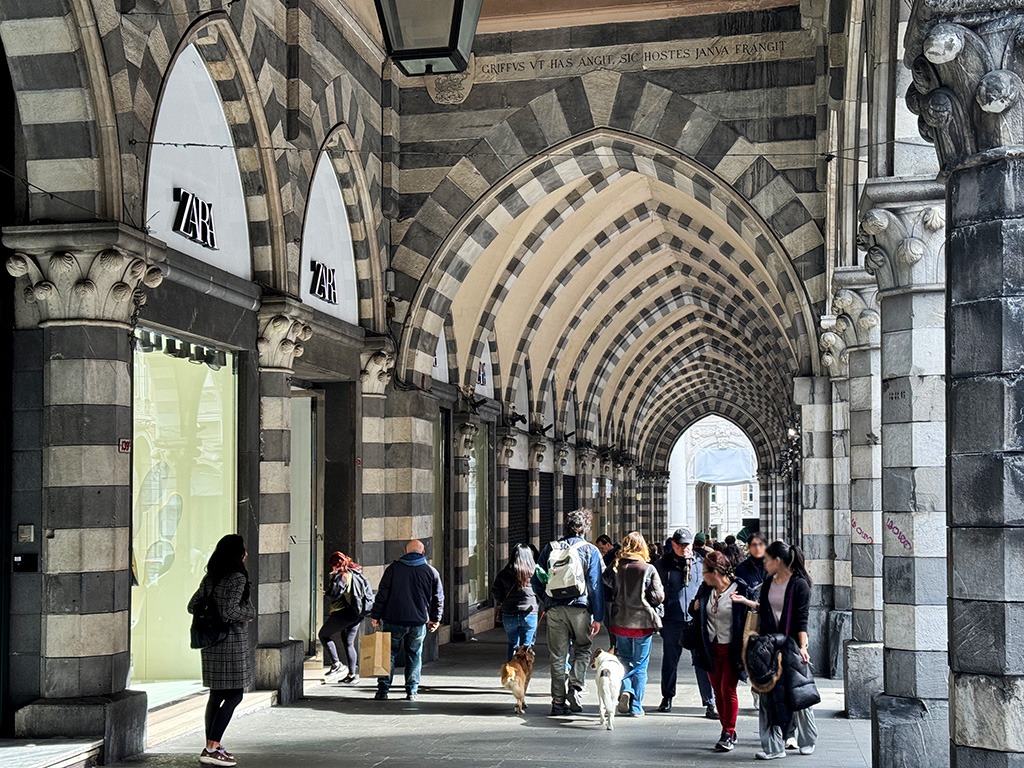
Even if I’m not shopping, I still enjoy walking along via Settembre XX to admire the architecture
If you’re shopping for food and drink in Genoa, you’re in luck, as it is almost impossible to walk along a street and not find small botteghe and alimentari stores. Food lovers should make a point of visiting Eataly in the port area, a superstore offering the best of Italian produce from across the country. MOG Mercato Orientale, just off Via XX Settembre, is a large indoor food hall where, as well as buying produce to take home or consume later, you can indulge in freshly prepared Ligurian specialities. Speaking of…
For food and wine lovers
Ligurian, and therefore Genovese, cuisine is my favourite sub-cuisine within northern Italian food. I love the freshness of the dishes, heavy on herbs from the land and complemented by the sharpness and salinity of local wines.
This region is known throughout Italy for being the birthplace of some of the country’s most famous food creations, with the best known being pesto alla Genovese. Food lovers should also seek out the following while here:
- Focaccia, known locally as fugassa – You are never far from a good slab of focaccia in Genoa, and rightly so. Ligurian focaccia is one of the defining foods of the city – golden, olive-oil rich, lightly crisp on the outside and wonderfully soft within. You’ll see it eaten at all hours of the day, from breakfast through to aperitivo.
- Farinata – This thin, savoury pancake made from chickpea flour is another classic of Genoa and wider Liguria. Cooked in large round trays and cut into slices, it has a slightly crisp top and soft interior, and is one of those simple dishes that is far more memorable than its modest ingredients might suggest.
- Pasta trofie – Trofie is the pasta shape most associated with Liguria and is most famously served with pesto alla Genovese. Short, twisted and ideal for catching sauce, it is one of the most satisfying dishes to order in Genoa if you want a taste that is quintessentially Ligurian.
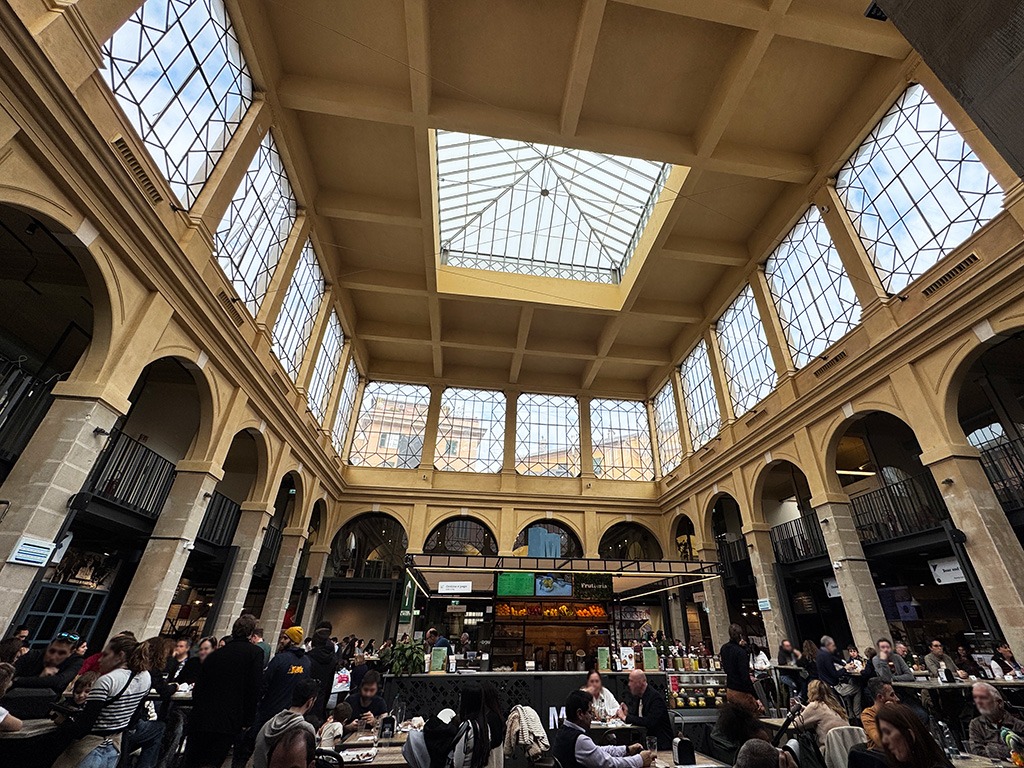
Find and try all of Genoa’s famous foods, and much more, at MOG Mercato Orientale
For the wine enjoyers out there, Genoa’s side streets are not short of enoteche (wine bars) offering bottles from Liguria and beyond. It is hard to go wrong, as competition is fierce in the city and quality is generally high, but my favourite place for a glass or two is Cantine Matteotti. This small bar, tucked away to the point that it is borderline difficult to find, offers a rotation of wines from Liguria and across Italy by the glass, in a cosy and atmospheric setting.
I’d recommend getting here early in the evening to guarantee a seat, or calling in advance to book. Otherwise you may have to stand outside with your drink, which is perfectly fine until you realise you’d quite like to try something from their food menu too (speaking from experience).
Eating and drinking in Genoa
I’d like to wrap this guide by sharing a few more recommendations in addition to those already mentioned for places to eat and drink in Genoa. To keep things easy I’ve detailed below some recommendations for each main point of the day, perfect for travellers looking to keep research to a minimum and focus on enjoying their time in the Ligurian capital:
For breakfast
I mentioned previously how focaccia is the edible symbol of Genoa, and Liguria as a whole, and this even extends to breakfast. Nothing feels more tradtionally Genovese than having a piece of focaccia with your morning coffee. Most locals you see doing this will often have a cappuccino as their coffee of choice, and while I admit I was sceptical when a friend first introduced me to this breakfast combination, the sweetness of the foamed milk and the savouriness of the focaccia is genuinely delicious.
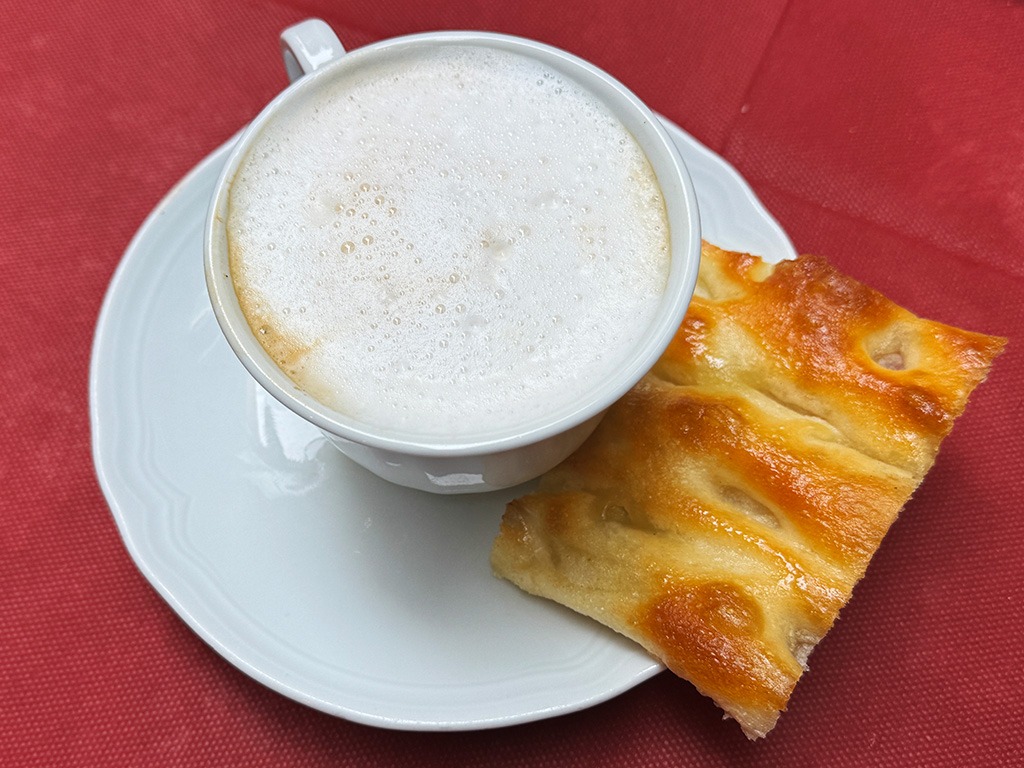
Any bar in Genoa will offer this traditional start to your day, but my go-to spot is Pasticceria Liquoreria Marescotti Cavo where I love grabbing a table outside and people-watching at Piazza Fossatello
For lunch
There is no shortage of great places to enjoy a sit-down lunch in Genoa, or to grab something quick from, leaning into the city’s reputation as a street-food hotspot. To get you started, here are my two go-tos:
- Pre-Boggion – Less than 5 minutes’ walk from Piazza Principe station, Pre-Boggion is about as traditional a restaurant as you’ll find in Genoa. The interior features vaulted ceilings and original stonework, the menu is seasonal and local, and the wine list is strong on Ligurian specialities. They are also open for dinner, though generally busier then, so I prefer heading here for a relaxed lunch. As well as being convenient when leaving or arriving in Genoa, the Royal Palace Museum is also right around the corner, making this a great place to eat before or after sightseeing.
- Ugo – If you are short of time, exploring Genoa on a budget, or simply have a craving for traditional trofie pasta, head to one of these takeaway spots. You’ll find them dotted around Genoa, which makes them super convenient, and with a takeaway bowl of pasta costing as little as around €5, I often stop by at least once on a trip to the city.
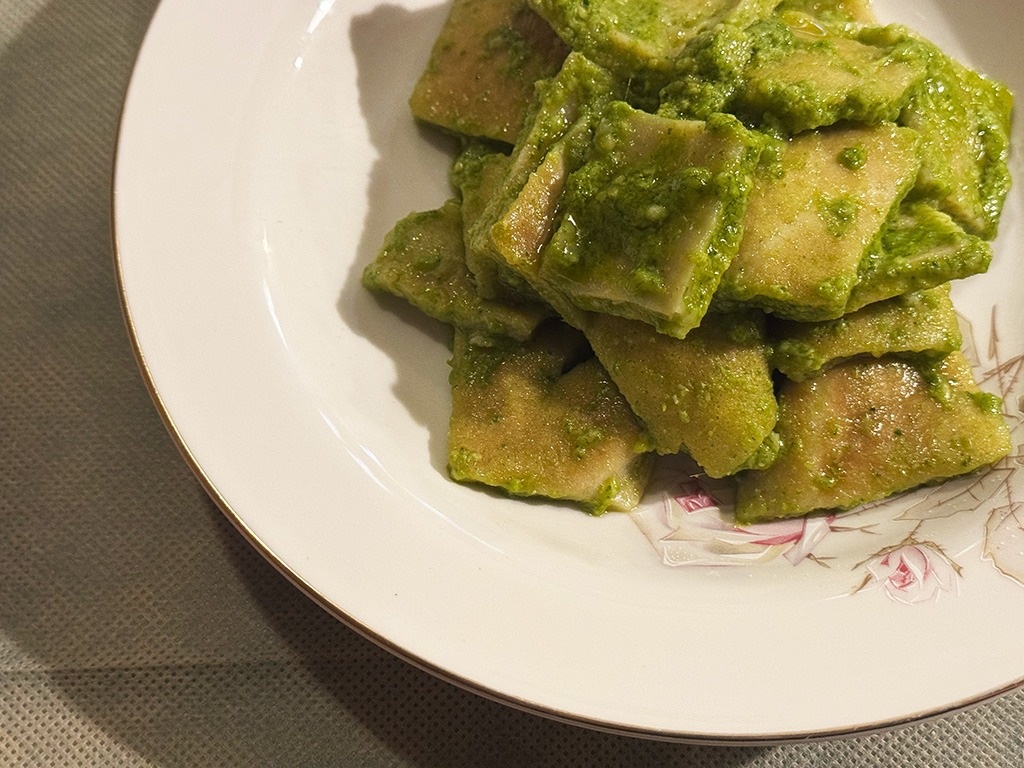
I really enjoy the traditional dishes offered by Pre-Boggion, such as this testaroli pasta, from southern Liguria and northern Tuscany. This pasta has an almost pancake-like texture and, once soaked in pesto and olive oil, offers a truly authentic taste of this part of Italy
International cuisine in Genova
Genoa doesn’t have the same non-Italian food scene as larger northern Italian cities such as Milan or Turin, but that does not mean you won’t find some excellent international restaurants here to change things up a little.
As you explore the streets of the old town you’ll spot a lot of African and Asian restaurants, reflecting both Genova’s history as a trading and maritime power and its modern role as a hub for migration into Europe.
Of course, I love Italian cuisine, but having grown up in the UK, where international options are plentiful, I sometimes crave something a little different. My go-to place in Genoa if I’m feeling like this is O Boteco. This restaurant specialises in northern Portuguese food, alongside Ligurian dishes, making it a great option for couples who cannot decide whether to eat local or international. Beyond the delicious food, including homemade pastéis de nata that are as good as any I’ve eaten in Portugal itself, the friendly and efficient service and homely but modern interior make dining here a joy.
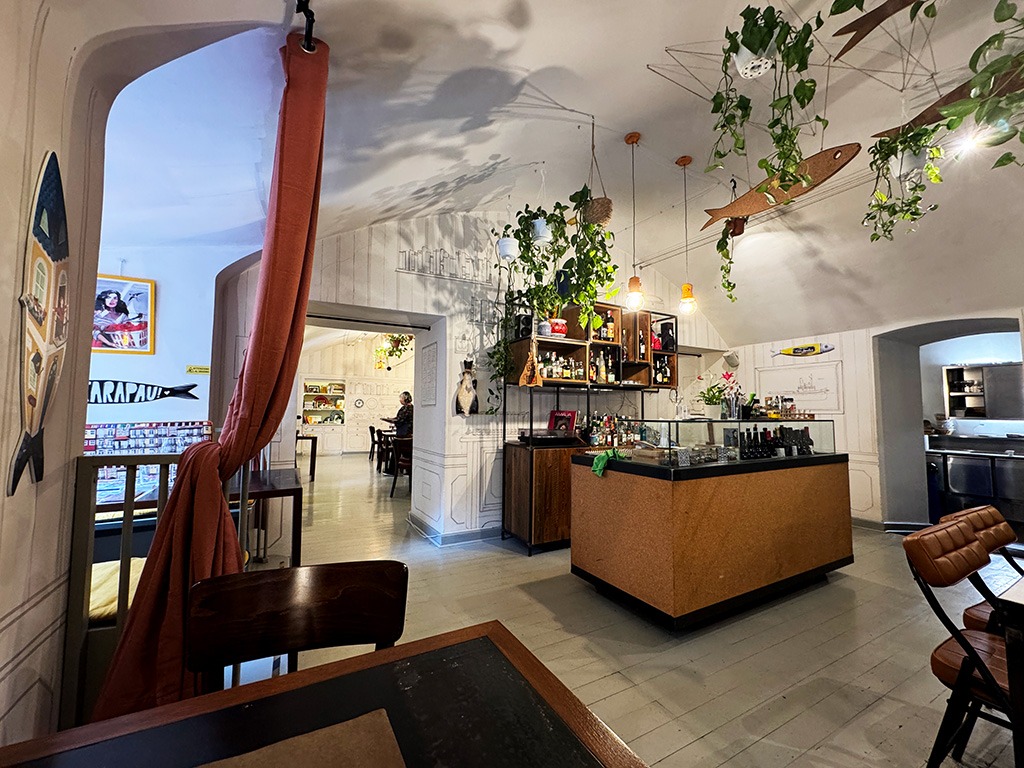
O Boteco is open for lunch and dinner, and being right next to the palaces on Via Garibaldi (Strada Nuova), is the perfect place to recharge before or after exploring Genoa’s history
For aperitivo
I previously shared Cantine Matteotti, which is one of my go-to aperitivo spots in Genoa, but there is a second bar that I should mention too: Les Rouges Cucina & Cocktails. Beyond the expertly made cocktails and mouthwatering menu, this place is extra special because it is set in yet another ex-noble residence, Palazzo Imperiale, constructed in the 1560s.
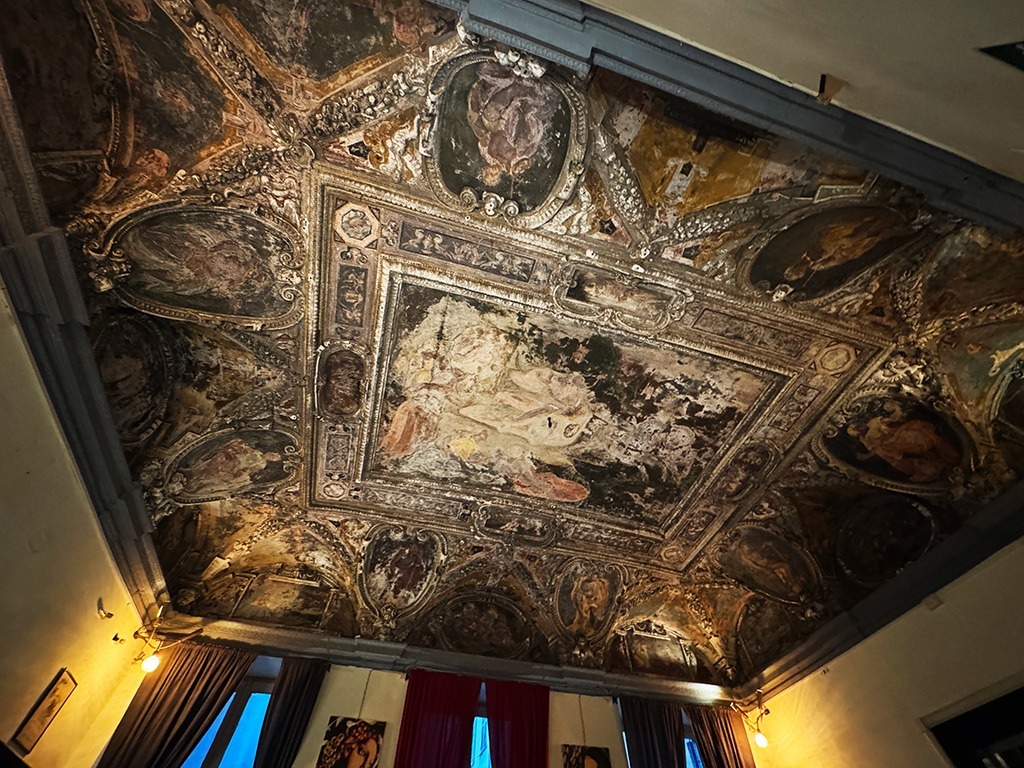
It may be a little decadent to enjoy an aperitivo under original Renaissance frescoes, but after all, Genoa is rightly called La Superba – the proud one
For dinner
If you still have an appetite after trying everything Genoa has to offer, and honestly there are times when I skip dinner here after having had too much focaccia during the day and at aperitivo, check out Locanda Spinola.
This bistrot feels more contemporary than a lot of places in Genoa, and in a good way. They offer traditional Ligurian dishes alongside more modern interpretations and twists, in a fun and stylish environment.
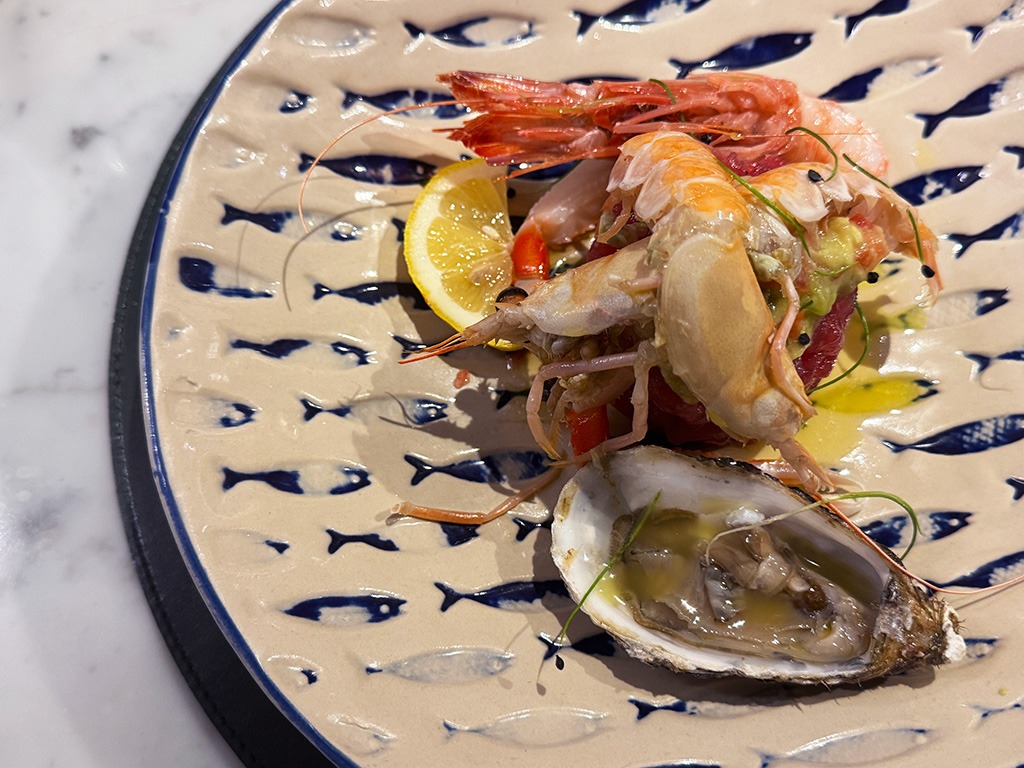
This is my go-to place for fish, where everything on the menu is brought in fresh from the port daily, and thank Andrea at La Picconaia for the original recommendation
Final thoughts on visiting Genoa
Genoa is not the most obvious city to prioritise in Italy, and perhaps that is part of its appeal. It lacks the immediate polish of Milan, the fame of Florence, or the grandeur of Rome, but for travellers willing to give it the time it deserves, the reward is a city that feels layered, authentic and refreshingly under appreciated.
Come for the palaces, the port and the medieval lanes, but stay for the food, the atmosphere and the sense that you have found somewhere many other travellers still rush past. Whether you plan to visit Genoa as part of a wider Italy itinerary, use it as a base for day trips along the Ligurian coast, or make the city itself the focus of your Genoa plans, it is a destination that I think more people should take seriously. Need more information about visiting Genoa? Contact me here